
Foundation Repair

Customized Foundation Solutions for Louisiana Homes

Foundation problems rarely look the same from one property to another. Recurring wall cracks, sloping floors, sticking doors or visible settlement can all point to different underlying causes.
The DeVillier Group evaluates the structure, foundation, and surrounding property before recommending a repair plan, rather than applying the same fix to every home. Based in Eunice, Louisiana, we have more than 30 years of experience moving, lifting, leveling, and repairing structures throughout the state.

email-icon

Call 337-546-0255 to request a free foundation repair estimate.

Signs Your Home May Need Foundation Repair

Foundation movement can affect many parts of a structure. Some problems develop gradually, while others become noticeable after periods of heavy rain, prolonged dry weather, plumbing problems, or changes around the property.

Common warning signs include:

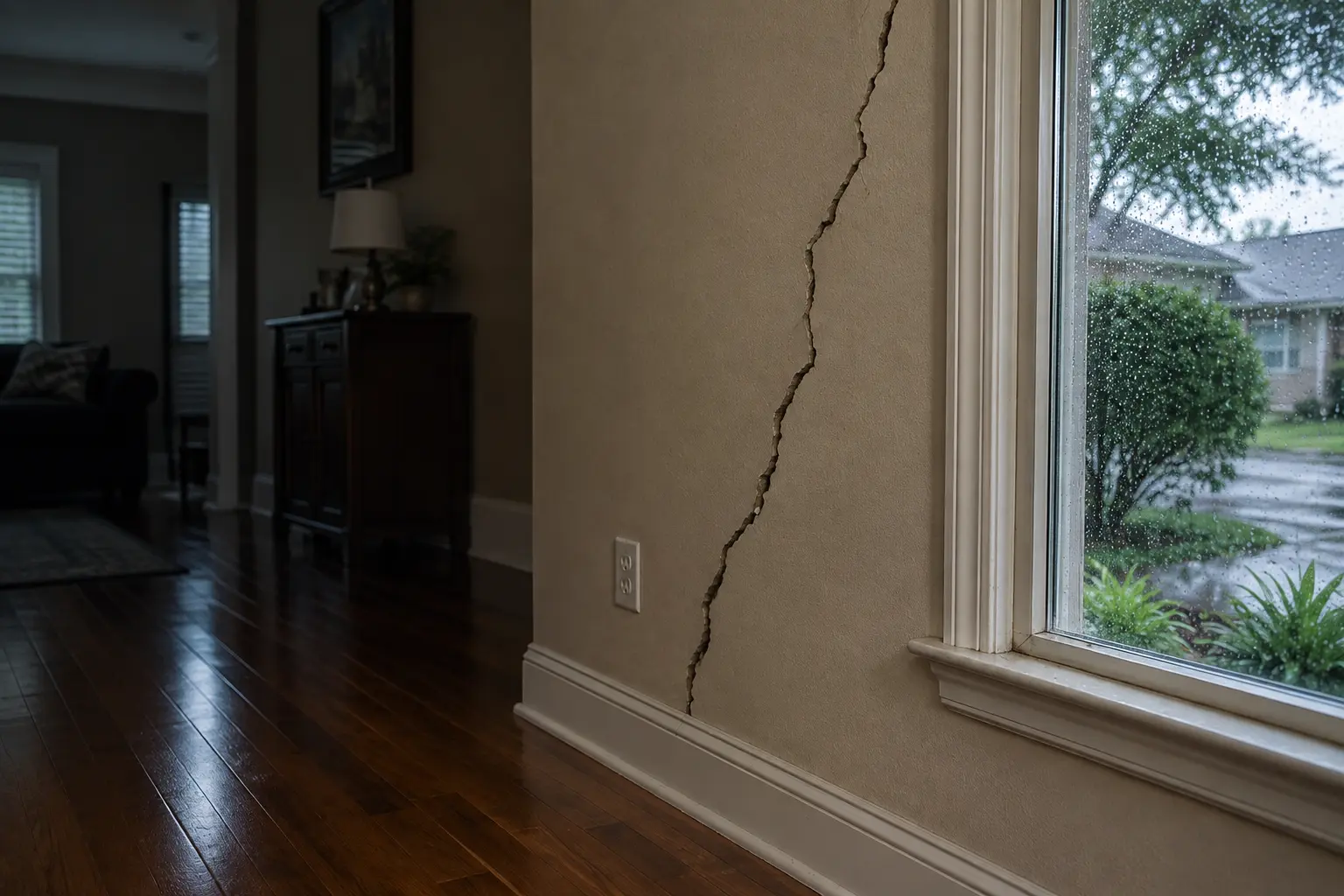
  • Cracks in interior walls, ceilings, above doors/windows, in masonry (stair-step pattern), or along the visible foundation
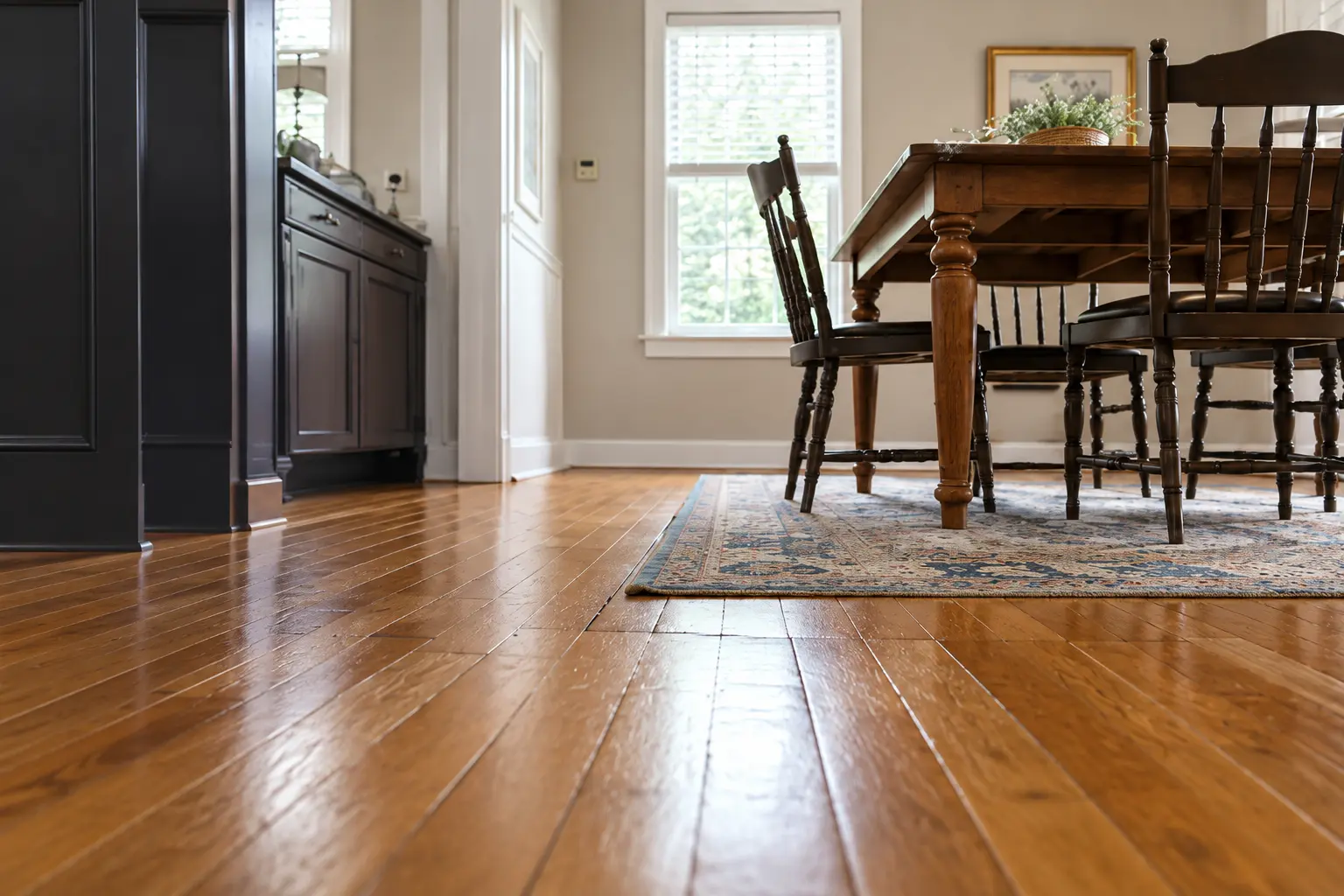
  • Sloping, uneven, soft, or sagging floors
  • Doors or windows that stick, drag, or no longer operate properly
  • Gaps between walls, floors, ceilings, trim, cabinets, or countertops
  • Porches or additions pulling away from the main structure
  • Cracks that return after being repaired
  • Visible movement in piers, supports, or foundation components

One isolated crack does not necessarily mean a home requires major foundation repair. Concrete, drywall, masonry, and framing can move for several reasons. The location, direction, progression, and combination of symptoms should be evaluated before a repair method is selected.

Why Foundation Problems Develop

Foundation movement can result from several conditions, and more than one factor may affect the same property.
soil moisture

Changes in Soil Moisture

Heavy rainfall, standing water, or extended dry periods can change soil conditions beneath a home. When moisture levels vary across the foundation area, different sections may settle or move unevenly.
poor drainage

Poor Drainage Around the Home

Water that repeatedly collects beside or beneath a structure can affect the supporting ground. Improper grading, clogged gutters, or drainage changes around the property may all contribute.
plumbing leaks

Plumbing or Sewer Leaks

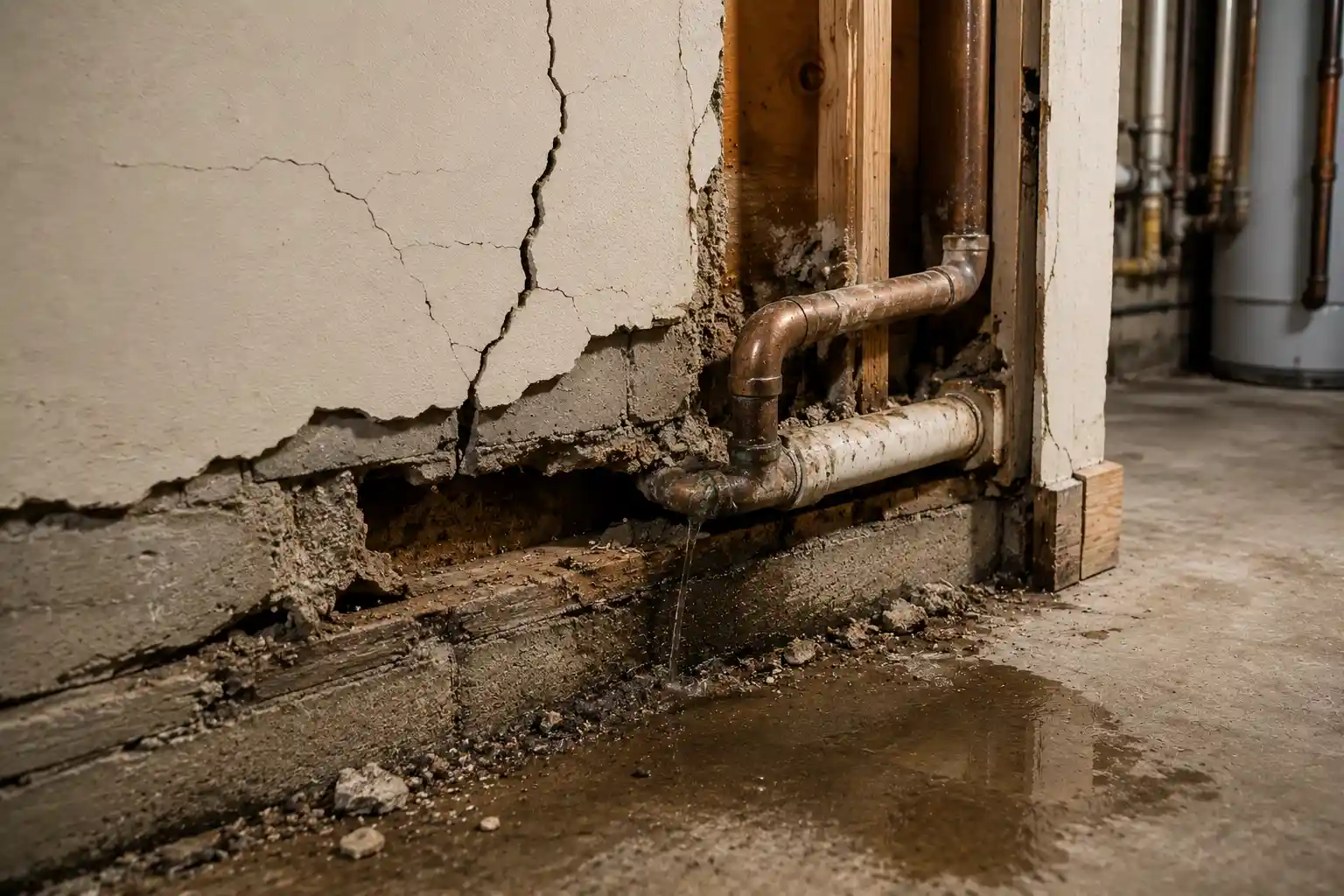
Leaks beneath or near a home can create concentrated changes in soil moisture. Because underground leaks may not be visible, plumbing issues should be considered when settlement is localized or unexplained.
Home Elevation Services icon

Settled Soil & Deteriorated Supports

Fill material beneath a foundation can consolidate over time, causing sections to settle unevenly. Piers, blocks, or beams may also deteriorate or lose bearing capacity, leaving parts of the structure without adequate support.
Home Elevation Services icon

Additions and Structural Changes

Additions built on a different foundation system, at a different time, may respond differently than the original structure because of changes in depth, weight, or soil preparation.
natural settlement

Previous Repairs

Older homes may contain several generations of shims, piers, and structural repairs. A previous repair may have corrected one symptom without addressing the broader support problem.

Foundation Repair or House Leveling: Which Service Do You Need?

build

Foundation Repair

Foundation repair focuses on restoring or adding dependable structural support beneath a settling, damaged, or inadequately supported foundation.

Foundation repair may involve:

  • Concrete, steel, or helical piles
  • Structural stabilization
  • Support replacement and reinforcement
  • Repairs to affected foundation components

House leveling focuses on correcting elevation differences within the structure. It may involve raising settled sections, adjusting piers or supports, reinforcing beams, or improving floor elevations.

House leveling may involve:

  • Raising settled sections of the structure
  • Adjusting or shimming existing piers and supports
  • Reinforcing beams for added stability
  • Improving floor elevation and levelness

The correct service depends on what moved and why. Before recommending a solution, The DeVillier Group evaluates the foundation type, affected areas, existing supports, floor elevations, structural condition, previous repairs, and whether additional foundation support is required.

Foundation Types We Evaluate

Every home is built differently, and the right repair approach depends on the type of foundation supporting the structure.

Slab-on-grade foundations

A slab-on-grade home is supported by concrete placed over prepared ground. When support beneath one portion of the slab changes, symptoms may appear in floors, walls, exterior masonry, door openings, windows, or plumbing systems. Not every slab crack requires foundation repair, the complete movement pattern should be evaluated first.

Pier-and-beam foundations

Pier-and-beam homes depend on a system of piers, beams, and floor framing. Problems can develop from settled piers, deteriorated supports, sagging beams, or previous repairs that no longer provide sufficient support. Depending on the findings, the project may involve foundation repair, reinforcement, house leveling, or a combination.

Mixed Foundation Systems

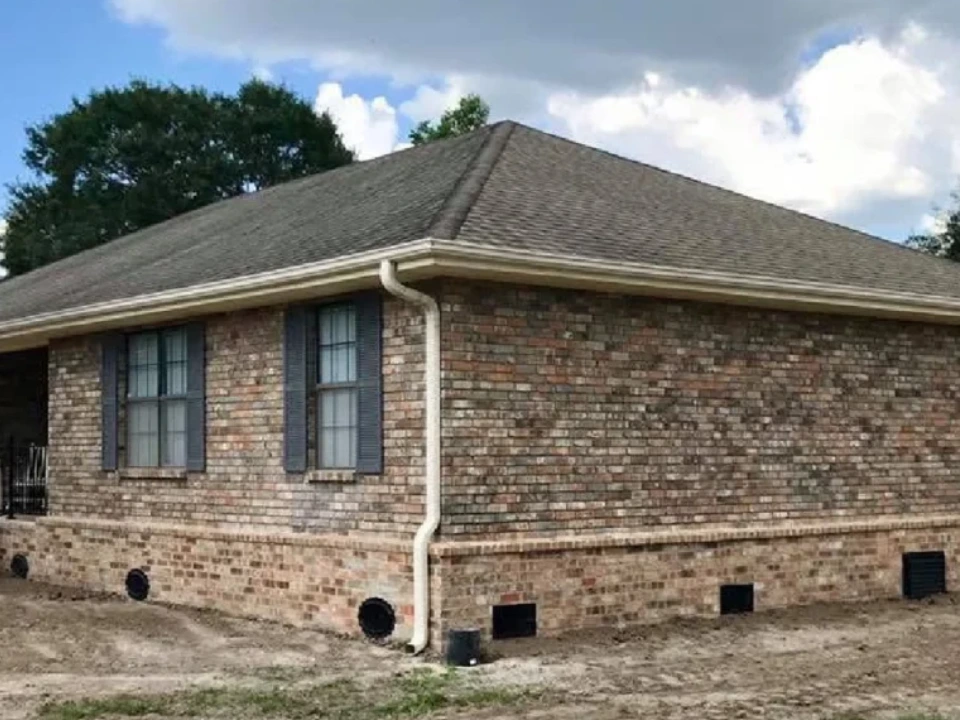
Many homes have been expanded over time. The original structure may sit on piers while an addition or garage rests on a slab. Because each section is supported differently, it may move at a different rate, so the connection between sections should be evaluated before structural adjustment begins.

Foundation Repair Methods Used by The DeVillier Group

Foundation movement can result from several conditions, and more than one factor may affect the same property.

soil moisture

Concrete Piles

Concrete piles may be installed beneath affected sections of the foundation to provide additional structural support. They are typically driven or poured to a depth where stable soil provides reliable bearing capacity. Their suitability depends on the home, required support, access, structural load, and repair design.
poor drainage

Steel Piles

Steel piles may be used where the repair design requires deeper installation or additional support capacity, particularly in soil conditions where concrete piles are less practical. They are driven in sections and installed until the required project resistance or support criteria are reached, providing a consistent load path down to stable soil.
Home Elevation Services icon

Helical Piles

Helical piles are steel foundation elements with helical plates that are rotated into the ground, similar to a large screw. Because they are installed with minimal vibration, they may be appropriate for projects near existing structures, in tight-access areas, or where soil and site conditions make a helical system the better fit.
Home Elevation Services icon

Pier-and-Beam Support Repairs

Raised homes may require repairs to existing piers, beams, bearing points, or other support components rather than deep piles alone. Over time, wood piers can rot, shift, or lose contact with the beams they support. The project may include replacing deteriorated supports, reinforcing selected areas, adding support points, or coordinating the work with house leveling for a complete repair.

Our Foundation Repair Process

We follow a structured evaluation and repair process to understand the cause of foundation movement and develop the right solution for each property.

Comprehensive Inspection

1. Initial Consultation

We begin by discussing the changes you have noticed, the home's history, previous repairs, drainage concerns, plumbing issues, or structural changes.

Customized Solutions

2. On-Site Foundation Evaluation

Our team evaluates the visible foundation, floor elevations, cracks, openings, supports, additions, drainage conditions, and other indicators of structural movement.

structural

3. Customized Repair Plan

After the evaluation, The DeVillier Group develops a project-specific recommendation based on the affected areas and the required support.

hydraulic

4. Project & Permit Coordination

Depending on the project and jurisdiction, permits, engineering, utility coordination, or other professional involvement may be required. The proposal should explain the responsibilities associated with the project.

brickwall

5. Site Preparation, Installation & Structural Adjustment

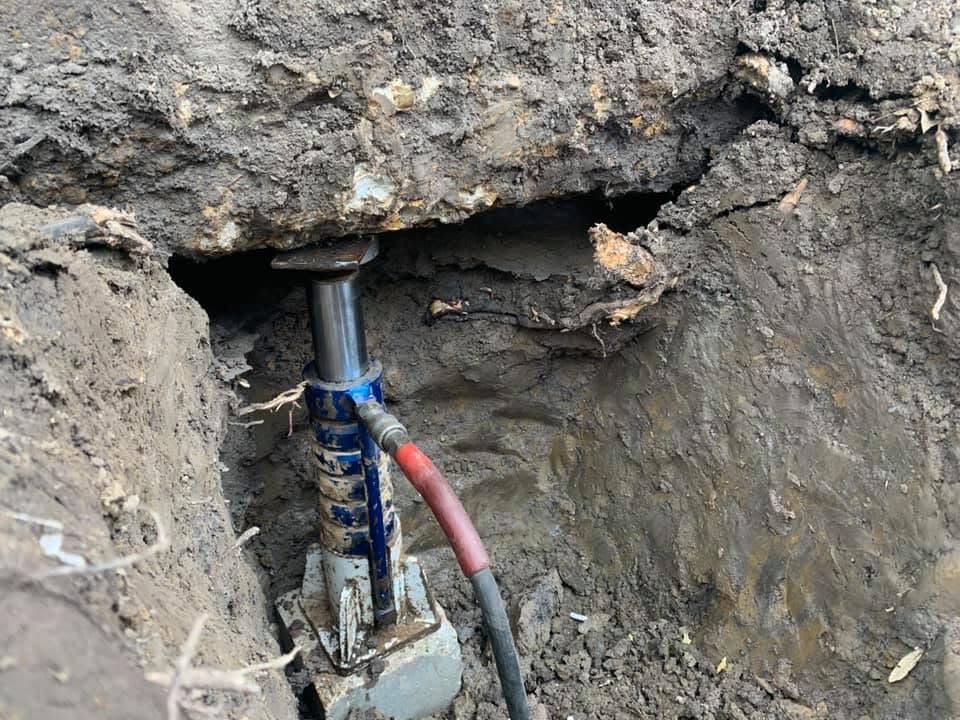
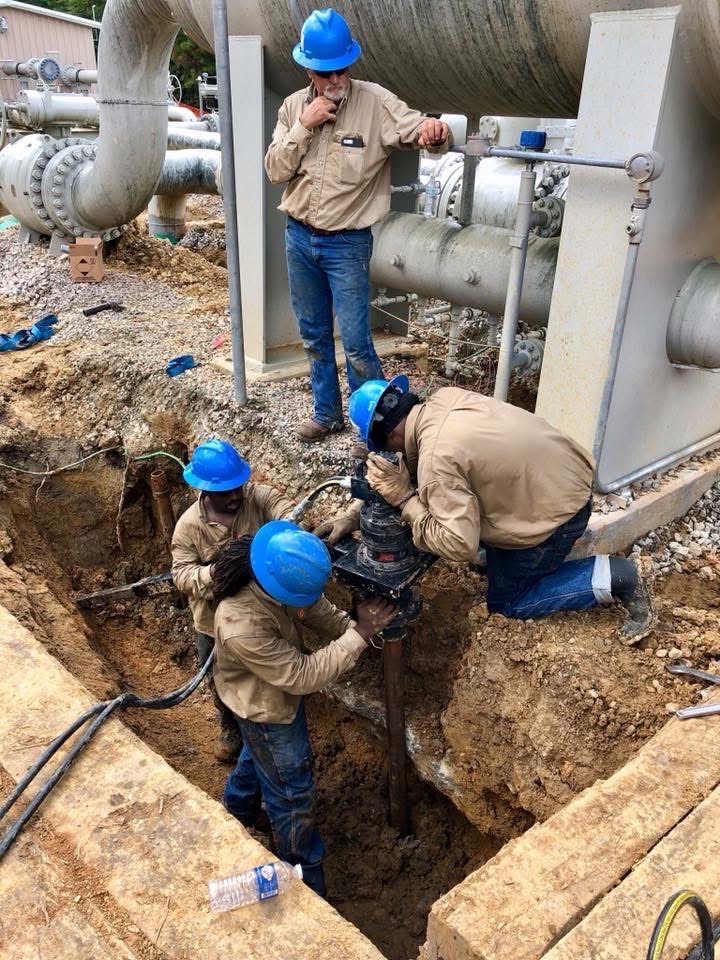
Our crew establishes access to the affected foundation areas and installs the approved piles, supports, or reinforcement. Where lifting is included, the structure is adjusted gradually using specialized hydraulic equipment while monitoring how the building responds.

check-mark

6. Securing the Foundation & Final Review

The repaired areas are secured according to the project plan, the site is cleaned, and the completed structural work is reviewed with the homeowner.
Controlled Hydraulic Lifting When Structural Adjustment Is Required

Some foundation repair projects require more than adding support beneath the structure. When settled areas need to be raised, the lifting process must account for the fact that different parts of a home carry different amounts of weight.

A kitchen, bathroom, masonry wall, fireplace, or addition may place substantially more load on one lifting point than another.

The DeVillier Group uses unified hydraulic jacking systems for structural projects requiring coordinated movement across multiple lifting points. A unified system allows multiple hydraulic cylinders to work together so the crew can make gradual, controlled adjustments while monitoring the structure.

This approach is used across several DeVillier structural services, including foundation repair, house leveling, home elevation, and structure moving. 

What Foundation Repair Can and Cannot Accomplish

Foundation Repair May Help

Depending on the project, foundation repair may:

  • Restore support beneath affected areas
  • Stabilize settling sections
  • Improve selected floor-elevation differences
  • Reduce structural stress caused by inadequate support
  • Improve some door and window alignment
  • Create a more dependable base for future renovations

Foundation Repair Does Not Automatically Correct

Structural repair does not automatically restore every existing finish to new condition. Some damage may remain, including:

  • Drywall cracks, cracked tile, separated trim
  • Masonry cracks, warped doors or windows
  • Flooring or cabinet misalignment
  • Paint damage or prior cosmetic repairs
If lifting is included, some cracks or openings may improve, but complete closure cannot be guaranteed. Cosmetic repairs should generally be planned after the structural work is complete.

Why Drainage Still Matters After Foundation Repair

Foundation repair addresses structural support. It does not automatically correct the conditions that may have contributed to movement.

Separate work may still be needed for:

  • Roof runoff
  • Clogged gutters
  • Improper grading
  • Standing water
  • Plumbing leaks
  • Erosion
  • Drainage paths directed toward the home

When moisture appears to be contributing to movement, those conditions should be considered as part of the broader property plan. The written proposal should make clear whether drainage or plumbing work falls within the foundation repair scope or must be handled separately.

How Much Does Foundation Repair Cost?

There is no reliable flat price for foundation repair because every home, foundation, and repair plan is different.

Project cost may depend on:

  • Foundation type and condition of existing supports
  • Affected areas, structural weight, and additions or attached structures
  • Type and number of piles needed
  • Equipment access and excavation required
  • Lifting or leveling scope
  • Previous repairs, permits, engineering, and cleanup requirements
A localized repair beneath one section of a home may involve a very different scope from stabilizing several sides of a structure. The DeVillier Group begins with a no-cost assessment and prepares a project-specific proposal after evaluating the property.

Why Choose The DeVillier Group for Foundation Repair?

More Than 30 Years of Structural Experience

The DeVillier Group has more than three decades of experience moving, lifting, leveling, and repairing structures.

Foundation Repair Is One of Our Core Services

Foundation repair is one of four primary structural services, along with house leveling, home elevation, and structure moving, giving us experience that extends beyond individual foundation components to the movement and support of complete structures.

Multiple Foundation Support Options

Depending on the structure and repair requirements, the project may involve concrete, steel, or helical piles as well as pier-and-beam support repairs.

Project-Specific Repair Plans

The repair plan is developed after evaluating the actual structure and support requirements, including specialized hydraulic lifting equipment where coordinated adjustment is needed rather than applying the same solution to every home.

Based in Louisiana

The DeVillier Group is based in Eunice and works throughout Louisiana, with hands-on familiarity with local soil conditions, drainage patterns, and permitting requirements that affect foundation repair.

We've partnered with

international association of structural movers
BBB Logo
Texas association of structural movers logo
licensed contractor state of louisiana
fema logo

Recent Foundation Repair Projects

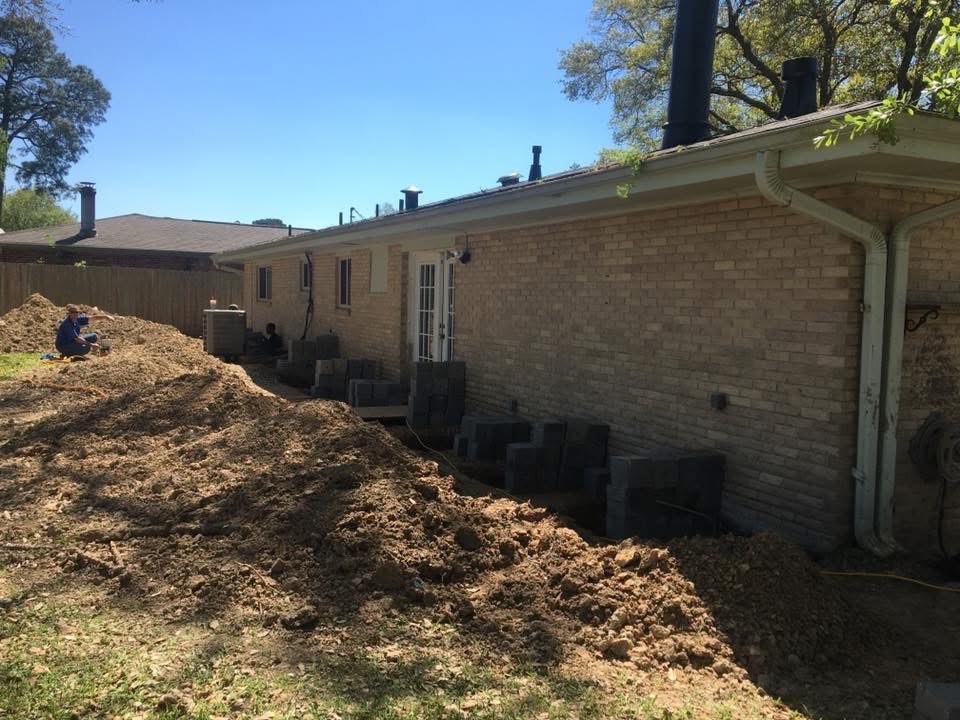
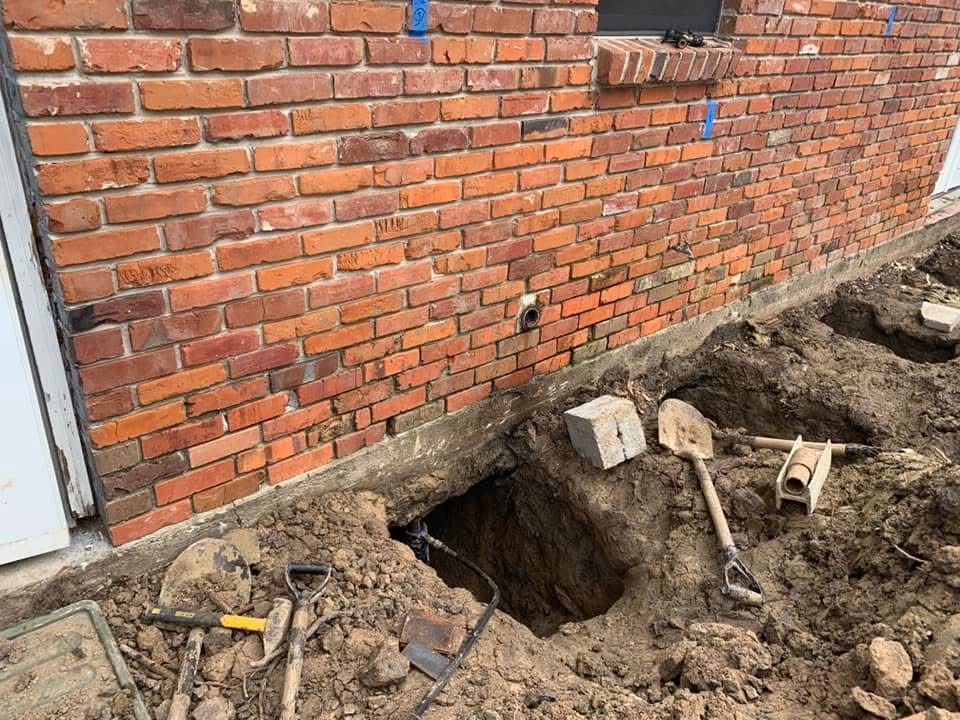
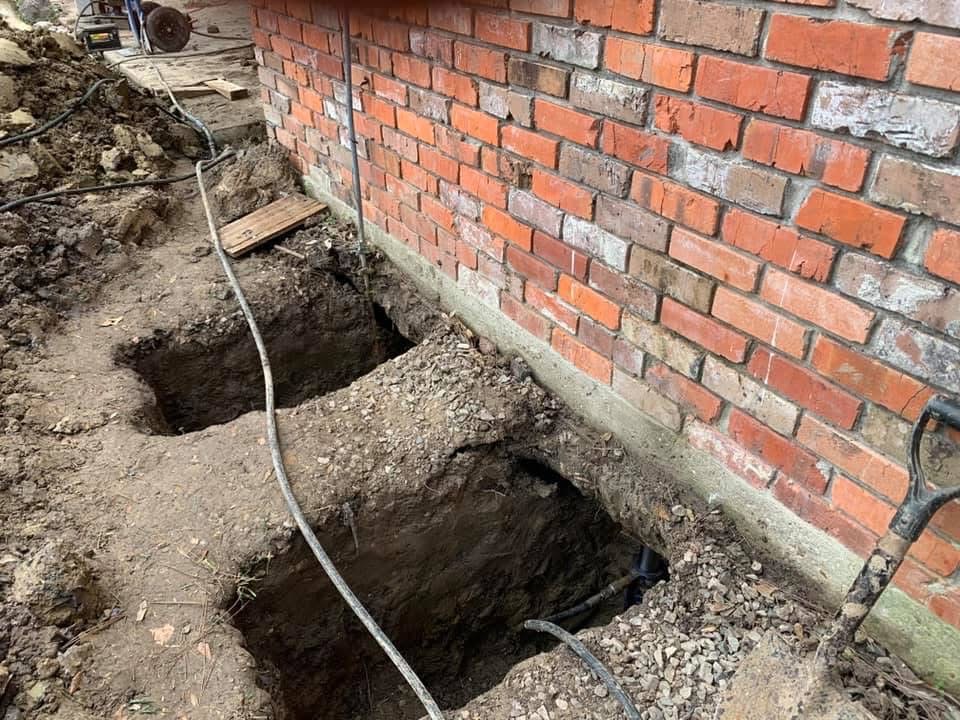
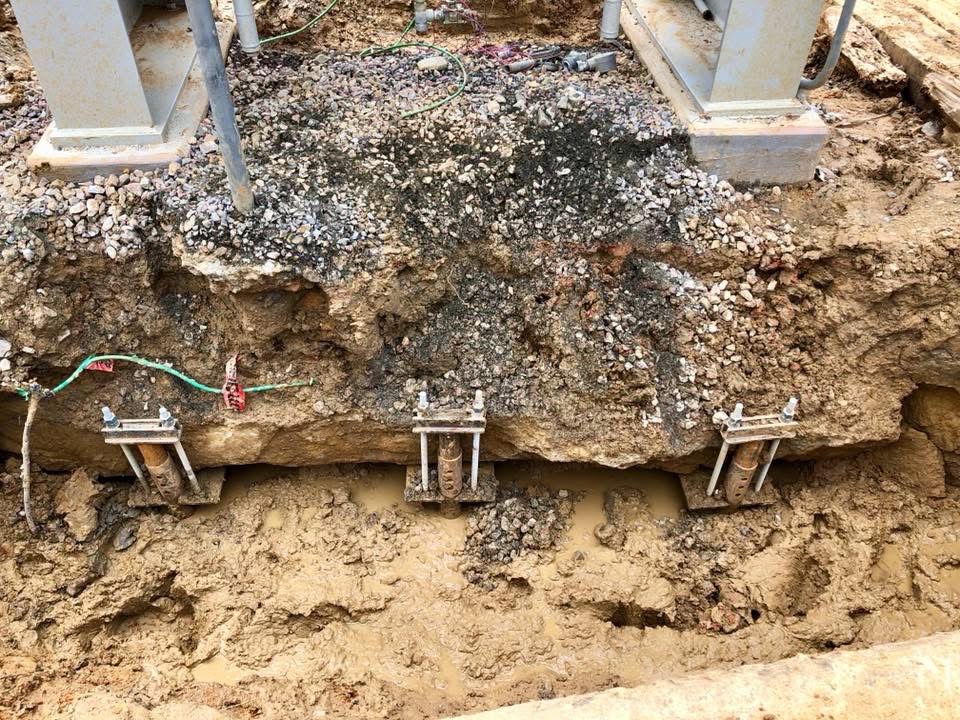
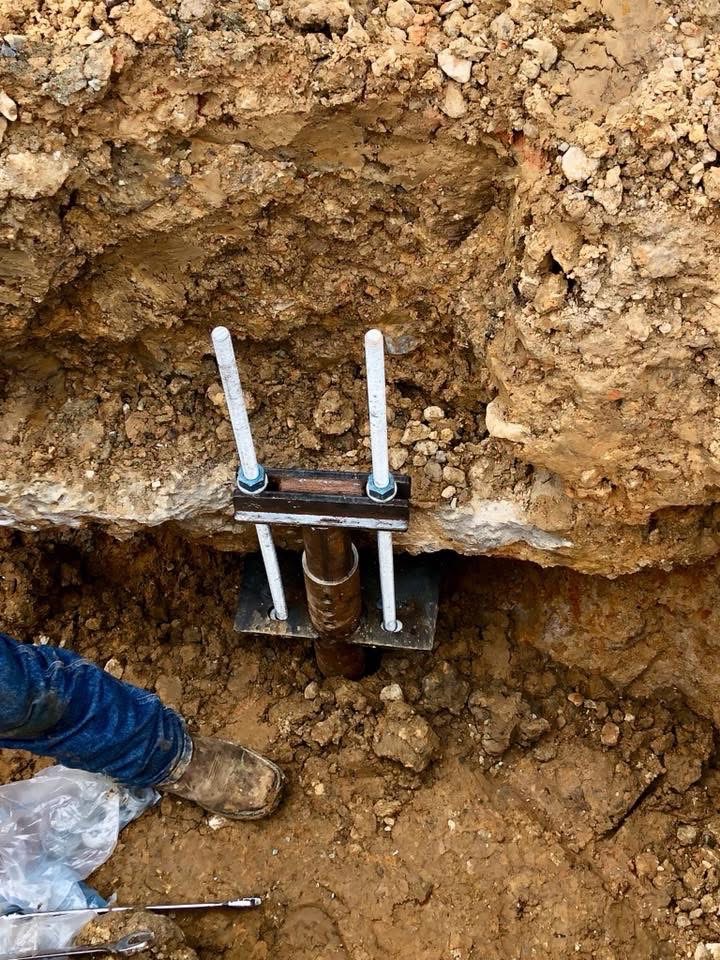
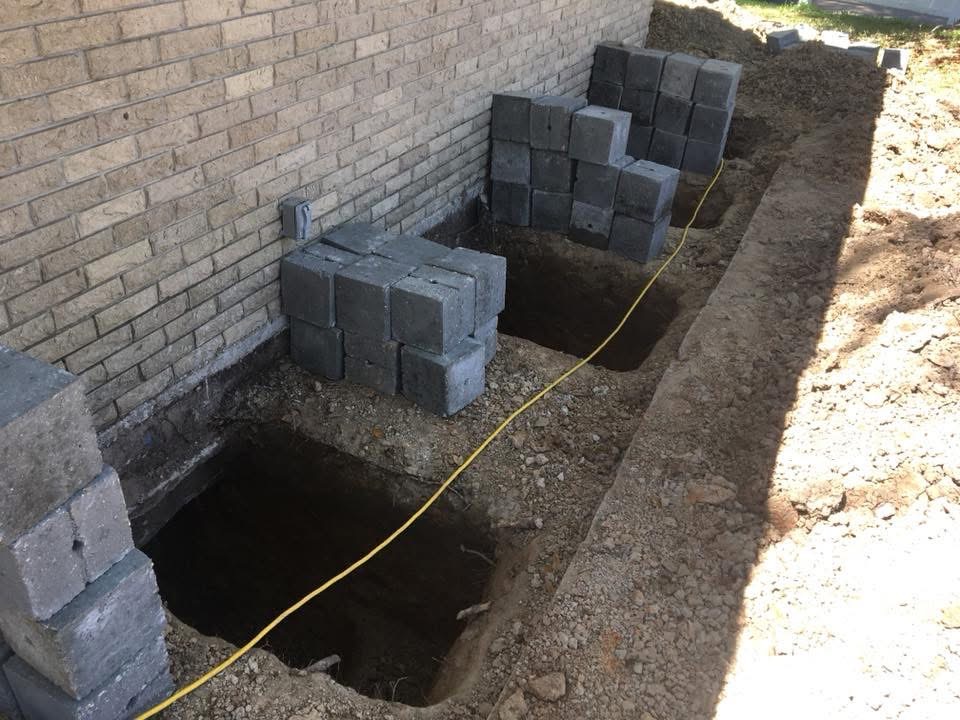
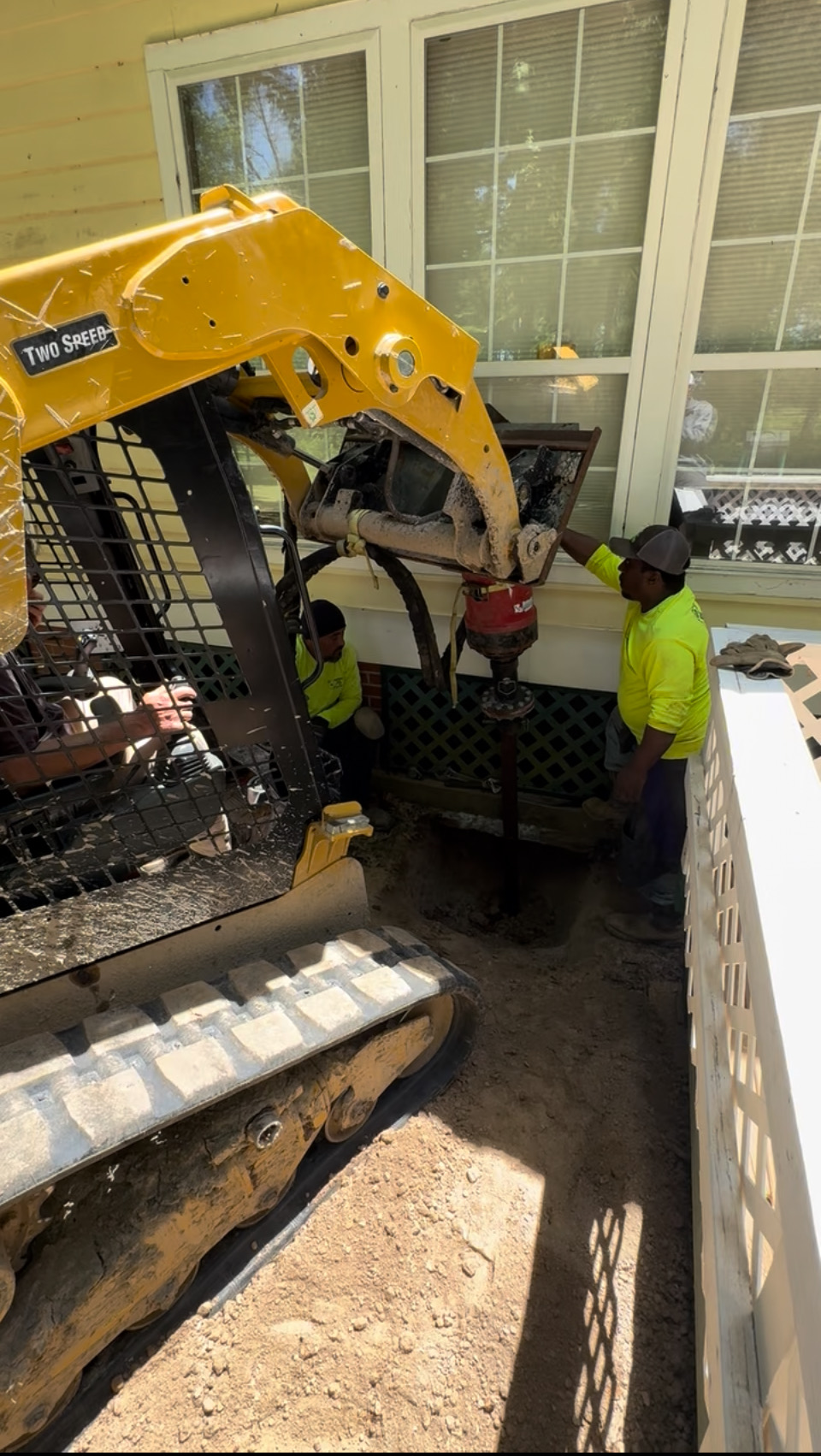
Foundation repair projects can differ considerably depending on the foundation type, structural condition, support system, and amount of movement involved. Explore completed DeVillier Group foundation repair projects to see examples of structural support, stabilization, pile installation, and foundation work performed on Louisiana properties.

WHAT OUR CLIENTS SAY

Foundation Repair Service Areas

soil moisture

Lafayette

Foundation repair services for Lafayette and surrounding Acadiana communities, including properties experiencing settlement, cracks, uneven floors, sticking doors, and other support concerns common to the area’s soil and drainage conditions.
poor drainage

Lake Charles

Foundation repair services for Lake Charles and surrounding Southwest Louisiana communities, including homes affected by soil moisture changes, drainage issues, and storm-related ground movement.
plumbing leaks

Baton Rouge

Foundation repair services for Baton Rouge and surrounding communities, including slab, pier-and-beam, and mixed-foundation homes experiencing settlement or support issues.

The DeVillier Group is based in Eunice and provides structural services throughout Louisiana. Service availability depends on the property, project requirements, structural condition, and access. Call 337-546-0255 to confirm service availability for your property.

Foundation Repair Guides & Resources

Not sure if what you’re seeing is normal wear or something bigger? These guides break down the questions Louisiana homeowners most often ask about foundation problems, causes and repairs.

Foundation Repair Cost in Louisiana

Understand the major factors that affect the cost of foundation repair, from foundation type to pile count, and why pricing can vary significantly from one home to another.

Warning Signs Your Home Needs Foundation Repair

Learn which cracks, floor changes, sticking doors, and other symptoms may indicate foundation movement, and which signs are usually harmless.

Can Foundation Problems Cause Plumbing Issues?

Learn how plumbing leaks and foundation movement can sometimes affect one another, and what homeowners should investigate before assuming either one is the root cause.

Why Do Walls Crack After Heavy Rain?

Understand why changes in soil moisture and drainage after heavy rain can contribute to movement and cracking, and when it’s worth a closer look.

How to Tell If Your Foundation Is Settling

Learn what settlement can look like in floors, walls, and door frames, and which changes may justify a professional evaluation.

Uneven Floors: What Do They Mean?

Explore the possible reasons floors become uneven over time, and when the underlying cause may call for house leveling, foundation repair, or both.

Frequently Asked Questions

How do I know whether my home needs foundation repair?

Possible warning signs include recurring cracks, uneven floors, sticking doors, masonry separation, or visible movement in the foundation or support system. An inspection is needed to confirm whether structural repair is actually required.
No. Concrete, masonry, and interior finishes can crack for several reasons. The location, direction, progression, and accompanying symptoms should be considered before recommending repair.
Depending on the project, we may use concrete piles, steel piles, helical piles, or repairs to existing pier-and-beam support systems. There is no single method that’s best for every property; the right system depends on the foundation, structural loads, and support requirements.
Many slab foundation problems can be addressed by adding support beneath affected sections, but the movement pattern and condition of the home must first be evaluated.
Yes. Pier-and-beam projects may involve support replacement, reinforcement, foundation repair, house leveling, or a combination of work.
No. Foundation repair restores or adds structural support. House leveling adjusts elevation differences within the structure. Some properties require both.
Not necessarily. Some projects are intended primarily to stabilize the structure. The achievable correction depends on the home, framing, previous movement, and project scope.
Some cracks may narrow when structural lifting is included, but complete closure cannot be guaranteed. Existing drywall, masonry, tile, or trim may still require cosmetic repair.
They may improve if their misalignment resulted from structural movement. Warped frames or unrelated installation issues may still require separate work.
No. Foundation repair addresses structural support. Drainage, plumbing, gutter, or grading issues may require separate work.
Cost depends on the foundation type, affected areas, support system, number of piles, access, structural adjustment, permits, engineering, and other project requirements. An on-site evaluation is necessary for accurate pricing.
The timeline varies based on the foundation, number of repair locations, accessibility, selected system, and whether structural lifting or other repairs are included.
Many projects may allow continued occupancy, but this depends on the extent of the work, utilities, and safety requirements.
Potential structural concerns should generally be evaluated before installing finishes such as tile, flooring, cabinets, or new drywall that could be affected by later structural adjustment.
Yes. We’re based in Eunice and provide foundation repair and other structural services throughout Louisiana, including Lafayette, Lake Charles, Baton Rouge, and surrounding communities.

Concerned About Your Home's Foundation?

Foundation cracks, uneven floors, and sticking doors can have several possible causes. The first step is determining what has moved, how the structure is supported, and whether additional stabilization or structural adjustment is actually needed.
The DeVillier Group provides customized foundation repair solutions backed by more than 30 years of experience in structural lifting, leveling, repair, and relocation.
Call 337-546-0255 today to request your free foundation repair estimate.