
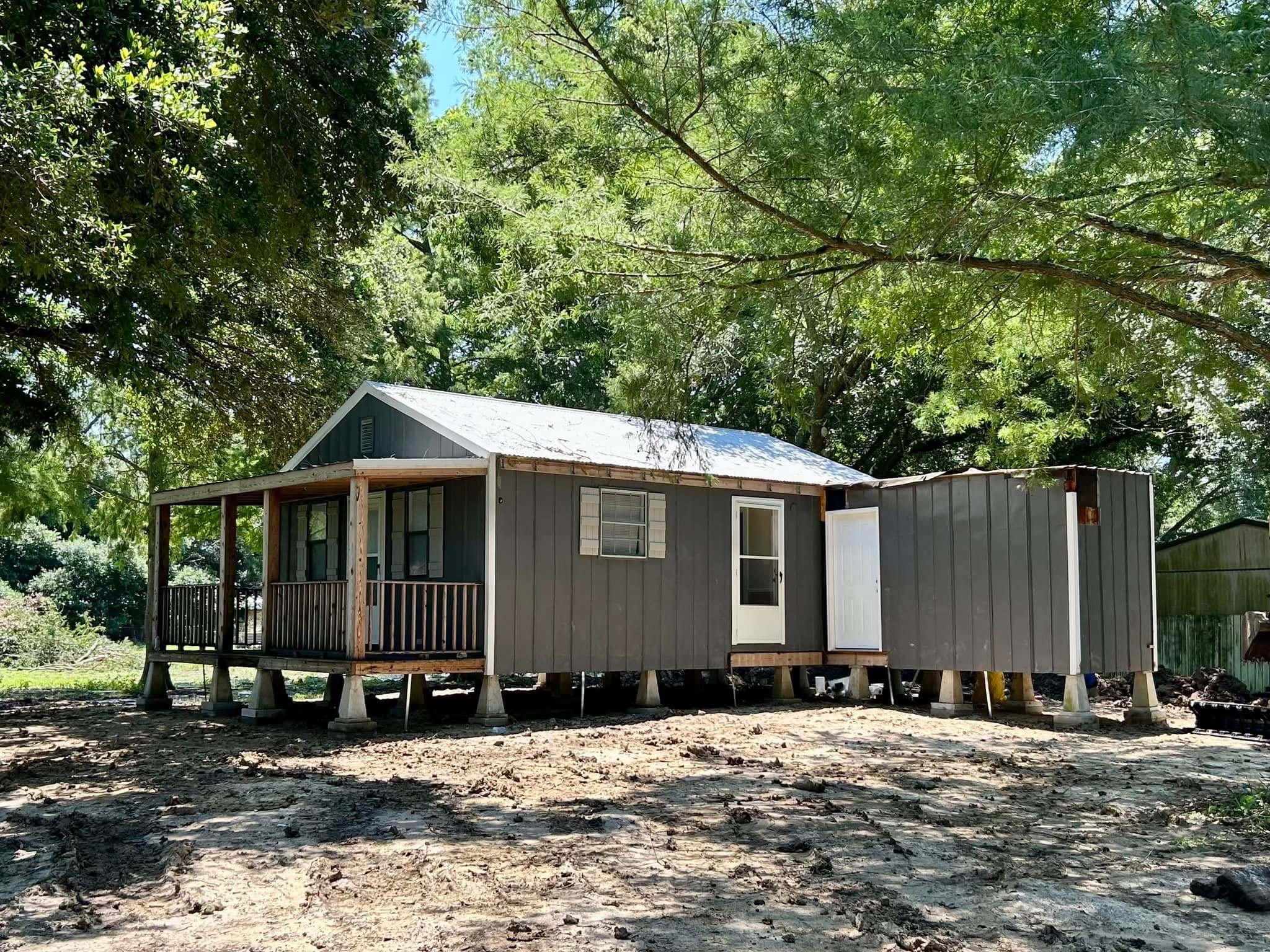
House Leveling in Lafayette, LA

Professional Lift-and-Level Solutions for Lafayette Homes

Uneven floors, sticking doors, and wall cracks may indicate your home has settled or shifted over time. The DeVillier Group provides professional house leveling in Lafayette with customized lift-and-level and in-place leveling solutions based on your home’s structural needs. With more than 30 years of experience, we help restore stability and protect homes throughout Acadiana.

email-icon

Call 337-546-0255 today to request a free house-leveling estimate.

What Is House Leveling?

House leveling is the process of correcting uneven areas of a home by adjusting, repairing, or improving the support system beneath the structure.

Over time, sections of a home may settle differently due to changing soil conditions, support issues, moisture, or structural movement. Depending on the home, leveling may involve adjusting supports, reinforcing components, replacing damaged areas, or combining leveling with foundation repair.

The goal is to address the cause of movement rather than only correcting visible symptoms.

Signs Your Lafayette Home May Need Leveling

Homes experiencing uneven support may show several warning signs, including:

• Sloping or uneven floors

• Doors that stick or no longer close properly

• Windows that become difficult to operate

• Cracks around doors, windows, walls, or ceilings

• Gaps between walls, floors, or trim

• Uneven porches or additions

These signs do not always mean leveling is required. A professional evaluation helps determine whether settlement, damaged supports, moisture, or another structural concern causes the issue.

Why Houses Become Uneven

Homes can become uneven when different areas of the structure no longer receive consistent support. Several factors may contribute to settlement or changes in elevation.

Soil Movement

Changes in moisture conditions can cause soil to expand, shrink, soften, or settle. When these changes occur unevenly beneath a home, some areas may move more than others.

Drainage and Moisture Issues

Poor drainage, standing water, roof runoff, or plumbing leaks can affect the soil and support conditions beneath a home. Addressing ongoing moisture issues may be necessary along with leveling work.

Settled or Damaged Supports

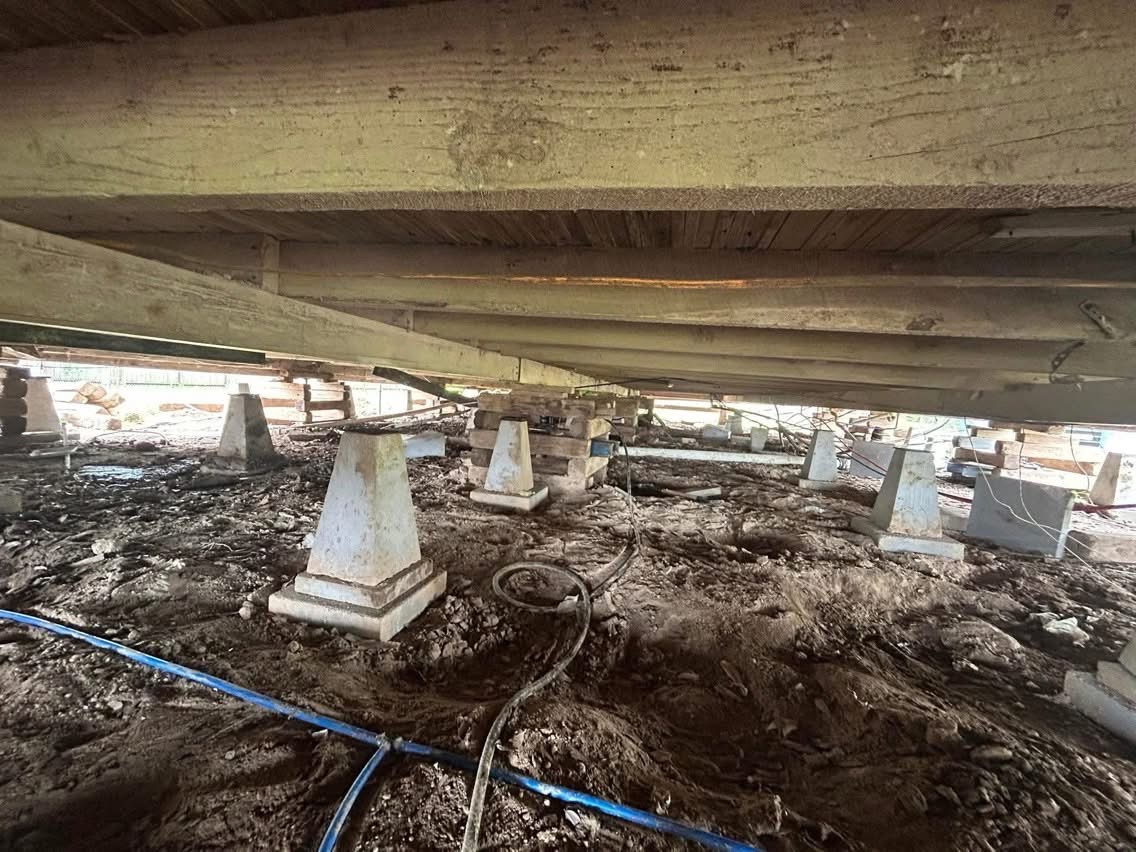
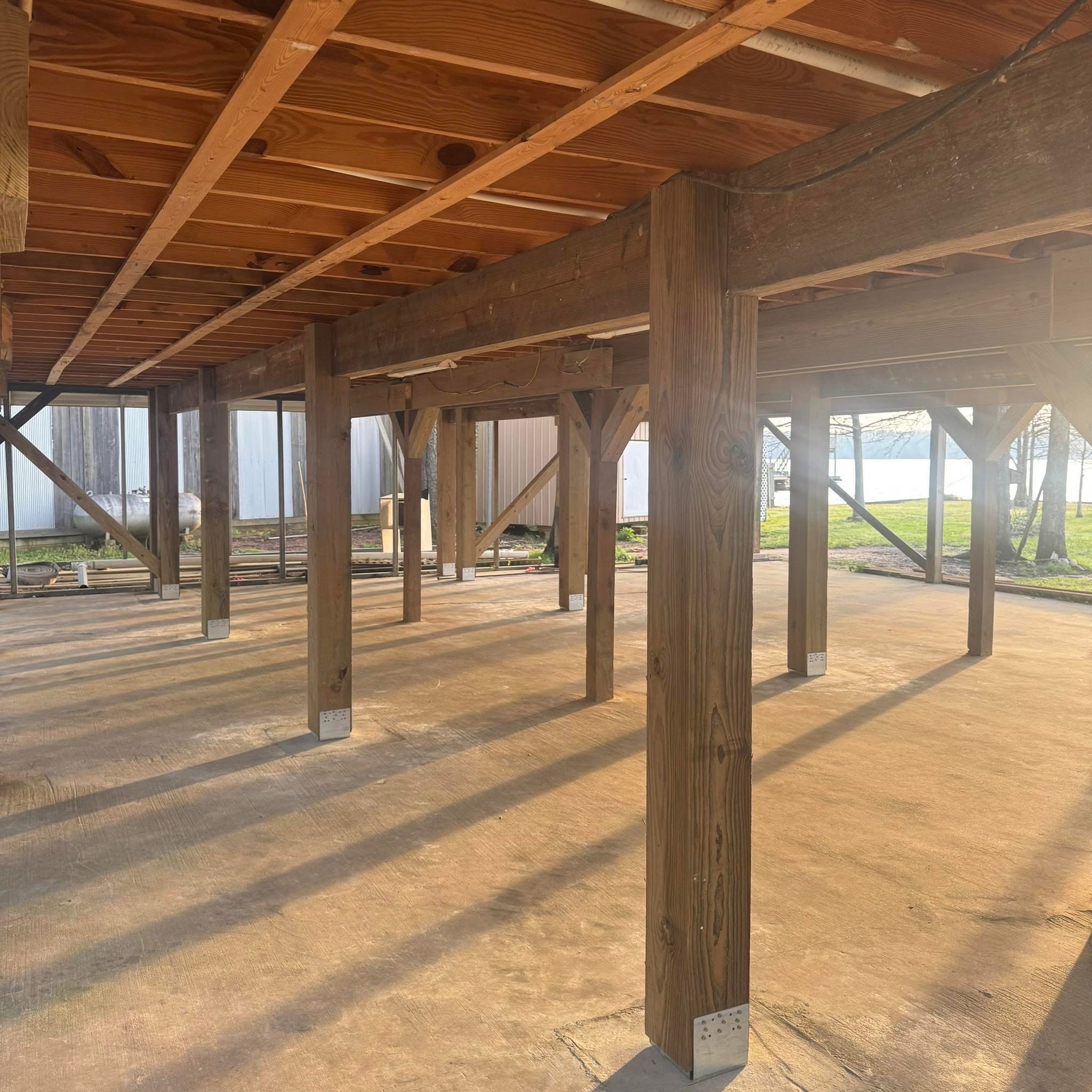
Pier-and-beam homes rely on piers, beams, and floor framing for support. Settled piers, deteriorated components, or inadequate supports can cause sections of the home to shift or sag.

Natural Aging

Over time, foundation components and structural materials can weaken, compress, or deteriorate, especially when exposed to moisture or changing conditions.

Additions and Renovations

Home additions, porches, or renovations may have different foundation systems or weight distributions than the original structure. These differences can contribute to uneven movement.

Previous Repairs

Earlier repairs may address visible symptoms without correcting the underlying cause of movement. A complete evaluation helps determine the right long-term solution.

Lift-and-Level Versus In-Place Leveling

We provide both lift-and-level and in-place leveling solutions based on the structure, condition, and repair goals.

build

Lift-and-level

Lift-and-level involves carefully raising affected areas of the home to improve support and correct elevation differences. This approach may be considered when sections of the structure have settled, floors have become uneven, or supports require adjustment.
house elevation icon

In-Place Leveling

In-place leveling focuses on adjusting or reinforcing existing supports while limiting the amount of lifting performed. This may be appropriate when the structure requires stabilization but a larger adjustment is not recommended.
The right approach depends on the home’s foundation type, amount of movement, structural condition, and project goals. A professional evaluation helps determine whether leveling, support adjustments, or additional foundation work is needed.

Homes and Foundations We Evaluate

The right house leveling approach depends on the home’s construction, foundation type, and the cause of movement.

Pier-and-Beam Homes

Pier-and-beam homes are commonly evaluated for house leveling because their support systems allow individual areas to be adjusted. Issues may include settled piers, damaged supports, uneven beams, moisture-related deterioration, or shifting beneath additions.

Wood-Frame Structures

Wood-frame homes may develop uneven areas due to settlement, support changes, or structural movement over time. An evaluation helps determine how the home can be safely adjusted while considering floors, walls, and existing connections.

Homes With Additions

Additions may have different support systems from the original structure. Each section must be evaluated to determine how movement is affecting the connection between the areas and what approach is appropriate.

Slab Foundations

Slab homes may experience settlement or uneven areas, but the recommended solution depends on the cause and extent of movement. In some cases, foundation repair or structural lifting may be more appropriate than traditional house leveling.
The DeVillier Group evaluates each home individually to determine whether leveling, foundation repair, or a combination of services is the right solution.

House Leveling Versus Foundation Repair

House leveling and foundation repair address related structural issues, but they focus on different problems.
Foundation repair services icon

House leveling

House leveling focuses on correcting uneven areas of a home and improving support beneath the structure. It may involve:
  • Raising settled sections
  • Adjusting piers or supports
  • Reinforcing beams
  • Correcting sloping or uneven areas
  • Rebalancing structural support
Home Elevation Services icon

Foundation repair

Foundation repair focuses on stabilizing or restoring support beneath a damaged or settling foundation.
It may involve:
  • Concrete piles
  • Steel piles
  • Helical piles
  • Additional support systems
  • Repairs to damaged foundation components
The DeVillier Group provides both house leveling and foundation repair services. Some homes may need only leveling, while others may require additional foundation stabilization depending on the cause and extent of movement.
An evaluation helps determine the right approach based on the home’s structure, foundation condition, and support requirements.

Our Lafayette House-Leveling Process

phone-call

1. Initial Consultation

We begin by discussing the changes you have noticed in your home, including uneven floors, sticking doors, previous repairs, moisture concerns, or other signs of movement. This information helps our team understand the home's history before evaluating the structure.

document

2. On-Site Structural Evaluation

Our team evaluates the home, foundation, and accessible support areas to understand the cause of movement. The assessment may include reviewing floor elevations, support conditions, beams, piers, framing, cracks, additions, drainage, and previous repairs.

Comprehensive Inspection

3. Customized Leveling Plan

After evaluating the structure, The DeVillier Group develops a plan based on the home's condition and support needs. The recommended approach may include lift-and-level, in-place leveling, support adjustments, or foundation repair when additional stabilization is needed.

structural

4. Preparing the Structure

Before leveling begins, the team prepares the work area and establishes access to the affected areas. Preparation may include positioning equipment, installing temporary supports, and identifying the areas requiring adjustment or reinforcement.

brickwall

5. Controlled Leveling and Support Adjustments

When lifting is required, the structure is adjusted gradually using specialized equipment designed for controlled movement. We monitor the home's response throughout the process and make necessary adjustments based on the structure's condition.

check-mark

6. Final Support and Project Review

Once leveling work is complete, the repaired areas are secured according to the approved plan. Our team reviews the completed work and discusses any additional cosmetic repairs that may be needed after structural adjustments are finished.
Why Synchronized Hydraulic Lifting Matters

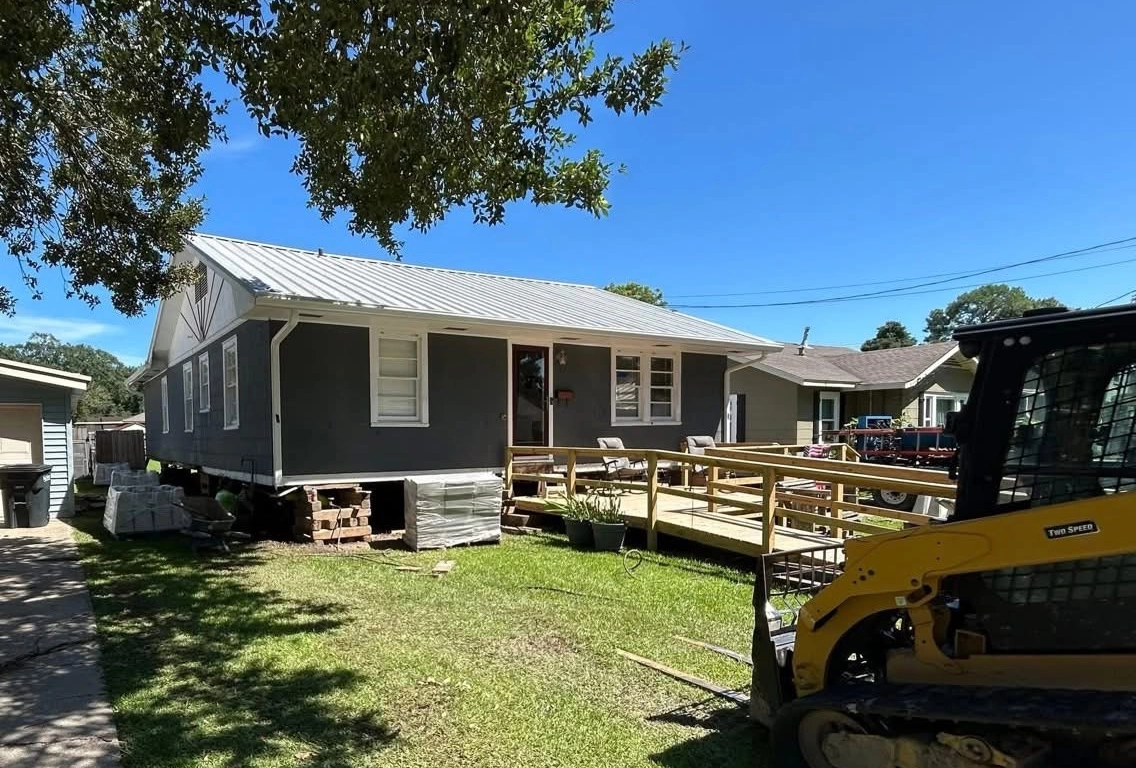
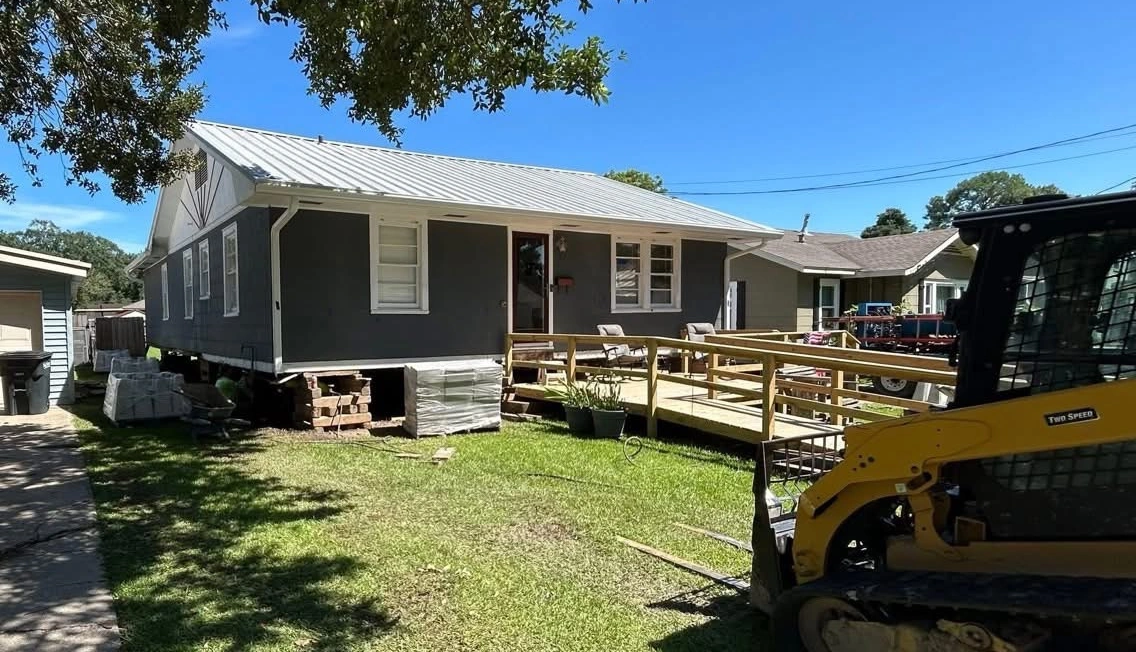
The DeVillier Group uses synchronized hydraulic lifting systems for projects requiring controlled movement across multiple lifting points.

This approach allows the team to make gradual adjustments, monitor the home’s response, and maintain control during the leveling process.

Benefits include:

• Coordinated movement

• Controlled adjustments

• Reduced stress on the structure

What House Leveling May Not Correct

House leveling addresses structural support issues but does not guarantee that all cosmetic damage will disappear. Existing issues such as:

• Drywall cracks
• Flooring damage
• Damaged trim
• Masonry cracks
• Previous cosmetic repairs

may remain after structural adjustments.

Should You Level Your House Before Renovating?

If your home shows signs of settlement or uneven support, it is best to evaluate the structure before completing major renovations.

Addressing structural concerns before installing flooring, drywall, cabinets, countertops, doors, windows, or other finishes can help prevent future damage.

A house-leveling evaluation can determine whether structural work should be completed before cosmetic improvements.

How Much Does House Leveling Cost in Lafayette?

House leveling costs vary depending on the home’s structure, foundation type, accessibility, and amount of adjustment required. Factors that may affect cost include:

• Home size
• Foundation type
• Condition of supports
• Areas requiring adjustment
• Accessibility beneath the home
• Additional repairs needed

An on-site evaluation helps determine the recommended approach and provide an accurate estimate.

How Long Does House Leveling Take?

The timeline depends on the home’s size, structural condition, accessibility, and whether additional repairs are required.

Preparation, structural adjustments, support work, and final securing all affect the project duration.

A house-leveling evaluation can determine whether structural work should be completed before cosmetic improvements.

We've partnered with

international association of structural movers
BBB Logo
Texas association of structural movers logo
licensed contractor state of louisiana
fema logo

WHAT OUR CLIENTS SAY

Why Lafayette Homeowners Choose The DeVillier Group

More Than 30 Years of Structural Experience

The DeVillier Group has more than 30 years of experience moving, lifting, leveling, and repairing structures across Louisiana.

Customized House-Leveling Solutions

We evaluate each home individually and recommend an approach based on the structure, support system, and project goals.

Lift-and-Level and In-Place Options

We provide multiple leveling solutions to match the home’s condition and required correction.

Specialized Hydraulic Equipment

Our team uses hydraulic lifting equipment designed for controlled structural adjustments.

Complete Structural Expertise

Our team uses hydraulic lifting equipment designed for controlled structural adjustments.

How Much Does House Leveling Cost in Lafayette?

Every home is different, so pricing for house leveling in Lafayette, LA, depends on several site-specific factors. During your free assessment, we evaluate:

• The size and weight of the structure being leveled

• Whether the home needs full lift-and-level or in-place leveling

• The number and condition of existing piers or supports

• Site access, soil conditions, and drainage requirements

You’ll receive a fixed-price, itemized proposal within 24 to 48 hours of your inspection, with no hidden fees and no pressure to commit.

Recent House-Leveling Projects

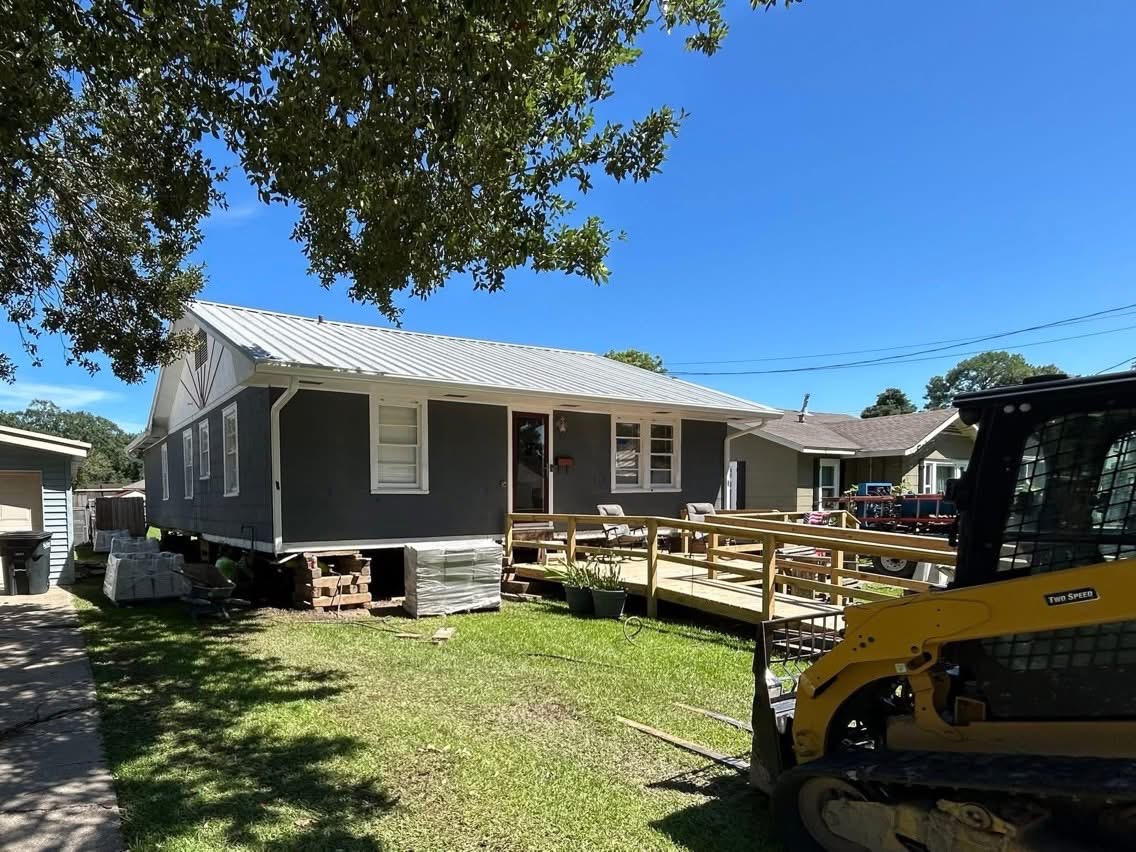
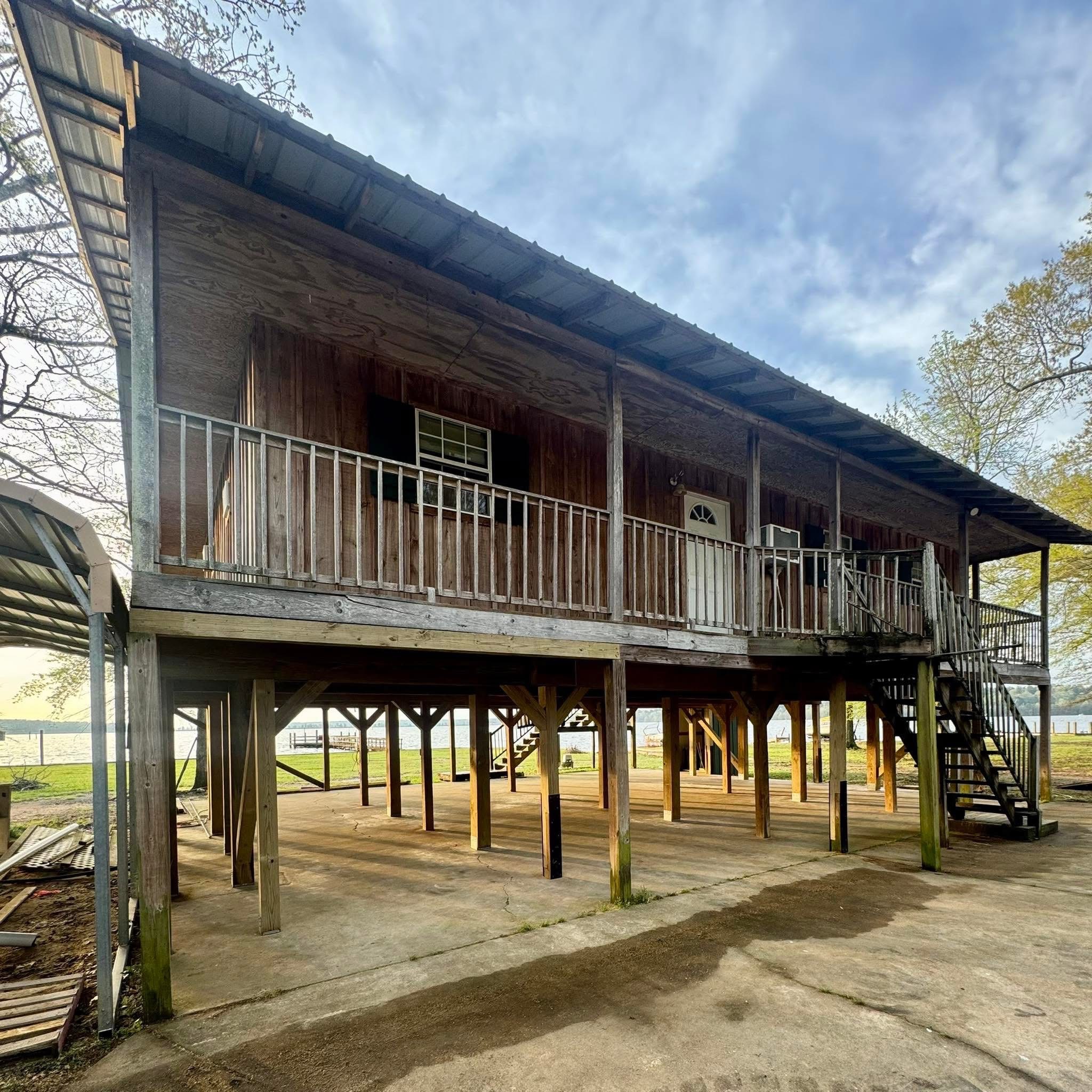
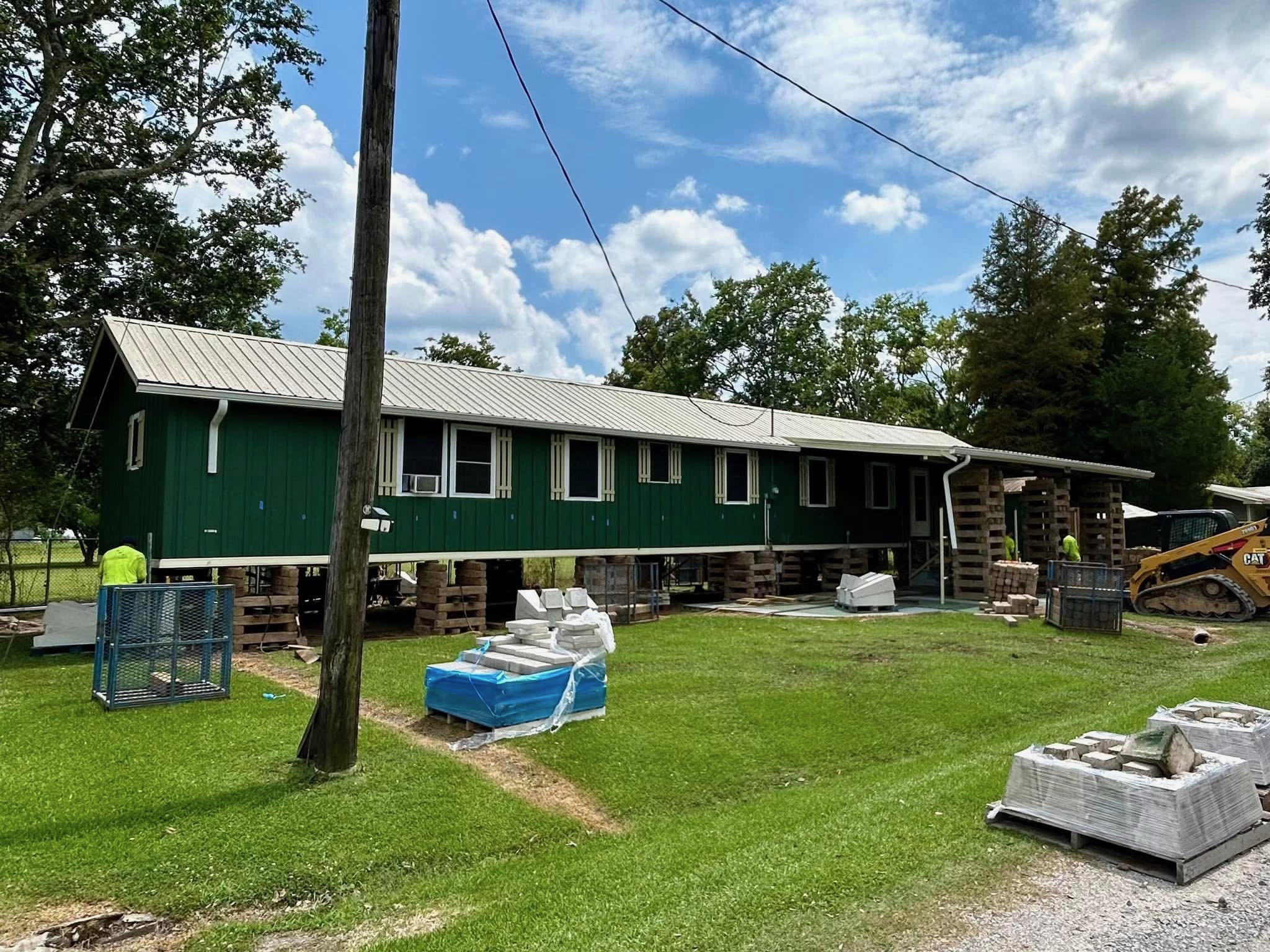
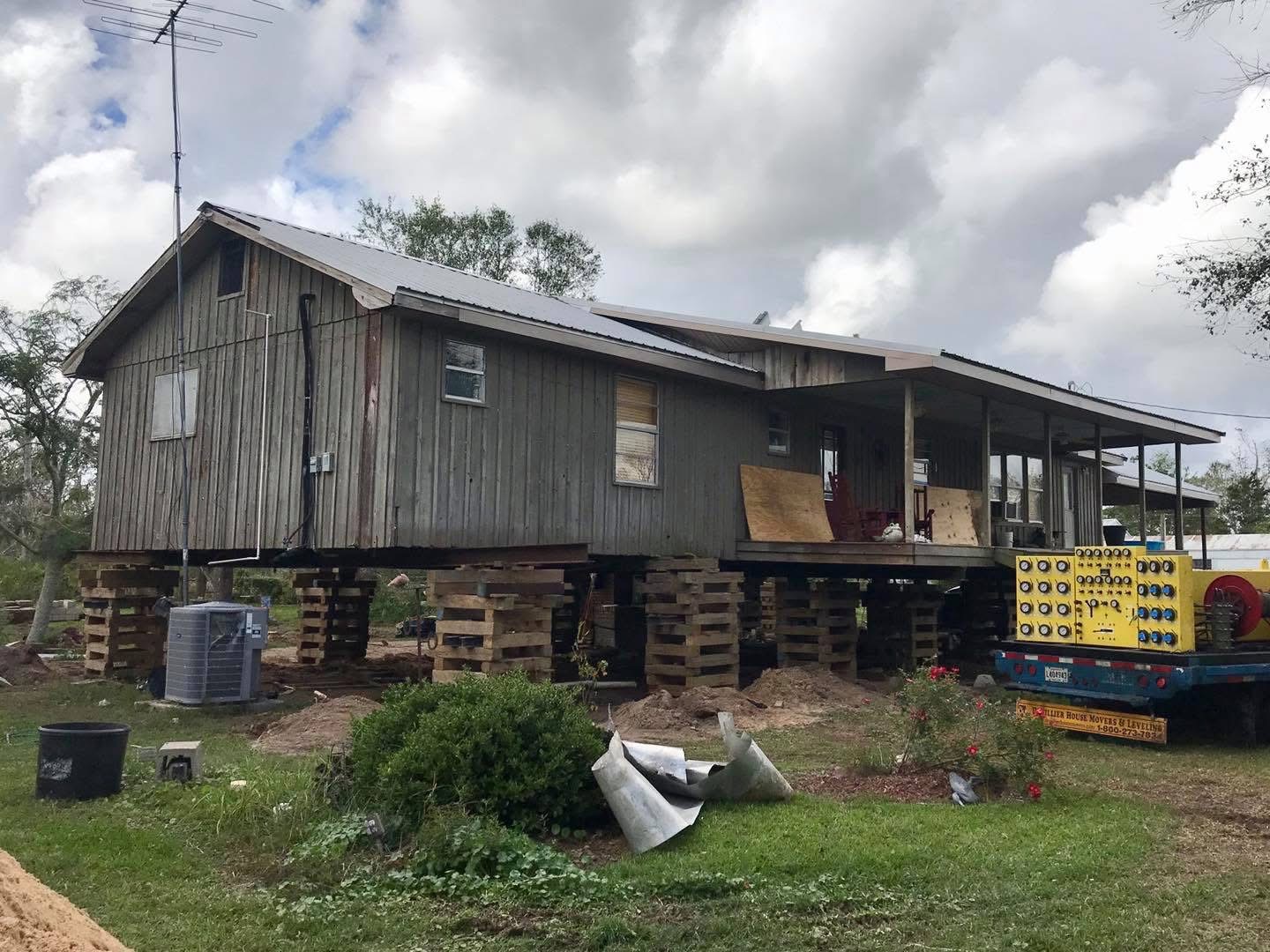
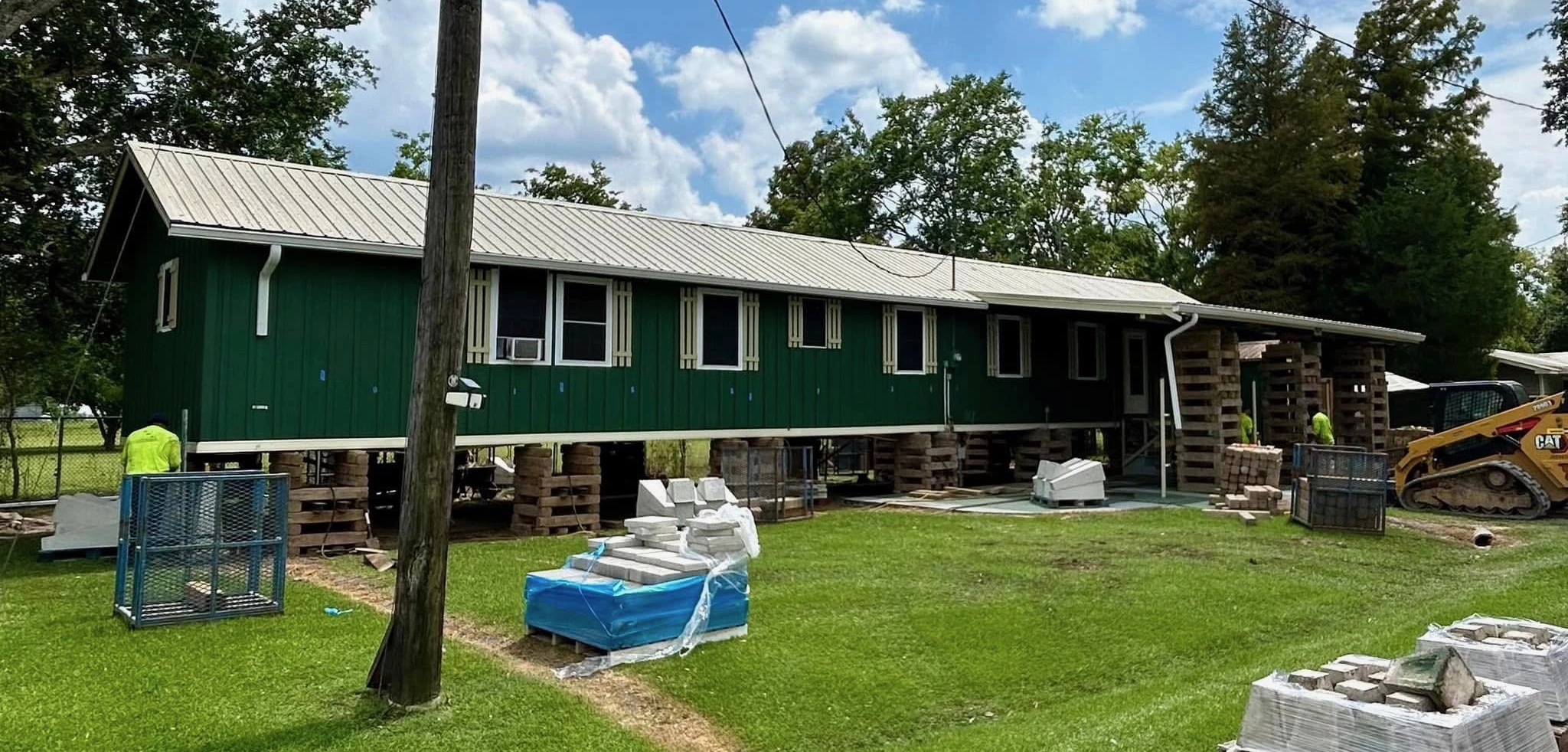
Explore examples of house-leveling projects completed by The DeVillier Group. Each home required an individual plan based on its construction, elevation differences, support conditions, and structural needs.

House Leveling Near Lafayette

The DeVillier Group serves Lafayette and surrounding Acadiana communities from its Eunice location, including:

maps-and-flags

Youngsville

maps-and-flags

Broussard

maps-and-flags

Scott

maps-and-flags

Carencro

maps-and-flags

Duson

maps-and-flags

Milton

maps-and-flags

Maurice

maps-and-flags

Acadiana region

maps-and-flags

Scott

maps-and-flags

Duson

Service availability depends on the home’s location, condition, access, and required work.

Call 337-546-0255 to discuss your property and confirm service availability.

Request a Free House-Leveling Estimate in Lafayette

The DeVillier Group evaluates each home individually to determine whether house leveling, support adjustments, foundation repair, or another solution is the right approach.
With more than 30 years of structural experience and specialized equipment, our team provides customized leveling solutions based on your home's condition and needs.
Call 337-546-0255 today to request your free house-leveling estimate.

Frequently Asked Questions

How do I know whether my house needs leveling?

Common signs include sloping or sagging floors, sticking doors, cracks around openings, and gaps where walls meet floors or ceilings. These symptoms can have several causes, so the home should be evaluated before deciding that leveling is necessary.
Leveling involves adjusting the structure to improve elevation differences. Stabilization focuses on preventing continued movement by restoring adequate support. A project may include one or both goals.
We specialize in pier-and-beam homes and also lift and rebalance wood-frame structures, with the achievable adjustment depending on the home’s condition. Slab homes are different; settlement there usually requires foundation repair or specialized structural lifting rather than conventional leveling. An inspection determines the right approach for your home.
Not necessarily. The achievable correction depends on the home’s age, framing, existing damage, and amount of movement. Some cracks may narrow, and doors may operate better, but complete correction can’t be guaranteed; drywall, tile, brick, trim, and warped frames may still need separate repair.
No. Leveling corrects structural elevation differences, while foundation repair restores or adds support beneath the foundation. Some properties require both services.
Possible causes include soil movement, moisture changes, natural settlement, drainage problems, deteriorated supports, plumbing leaks, and additions supported differently from the original house.
When lifting is included, hydraulic jacks are positioned at planned support points, and the structure is adjusted gradually. We use unified hydraulic lifting equipment for scenarios requiring coordinated movement across multiple points.
The timeline depends on the home’s size, accessibility, condition, amount of adjustment and support work required. A project-specific estimate can be provided after the evaluation.
Cost depends on the foundation, affected areas, amount of correction, condition of supports, accessibility, and whether foundation repair is also required. An on-site assessment is needed for an accurate estimate.
Structural concerns should generally be evaluated first. Cosmetic repairs completed before leveling may crack or shift again once the structure is adjusted.

Yes. The DeVillier Group is based in Eunice and provides structural services across Louisiana. Contact us to confirm availability for your location.