
Structure Moving in Baton Rouge, LA

Experienced Structure Moving for Homes and Buildings

The DeVillier Group provides professional structure moving services in Baton Rouge for homes, historic buildings, and qualifying commercial structures. Every relocation is carefully planned around the building, site conditions, and destination to ensure a safe move.
With more than 30 years of experience and specialized hydraulic equipment, we safely lift, transport, reposition, and place structures across Louisiana.

email-icon

Call 337-546-0255 today to request a free structure-moving estimate.

What Is Structure Moving?

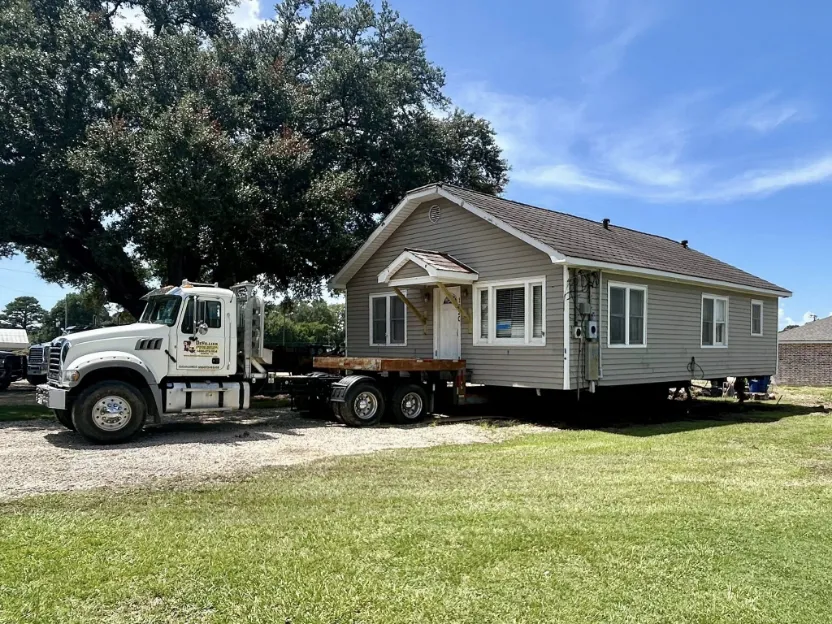
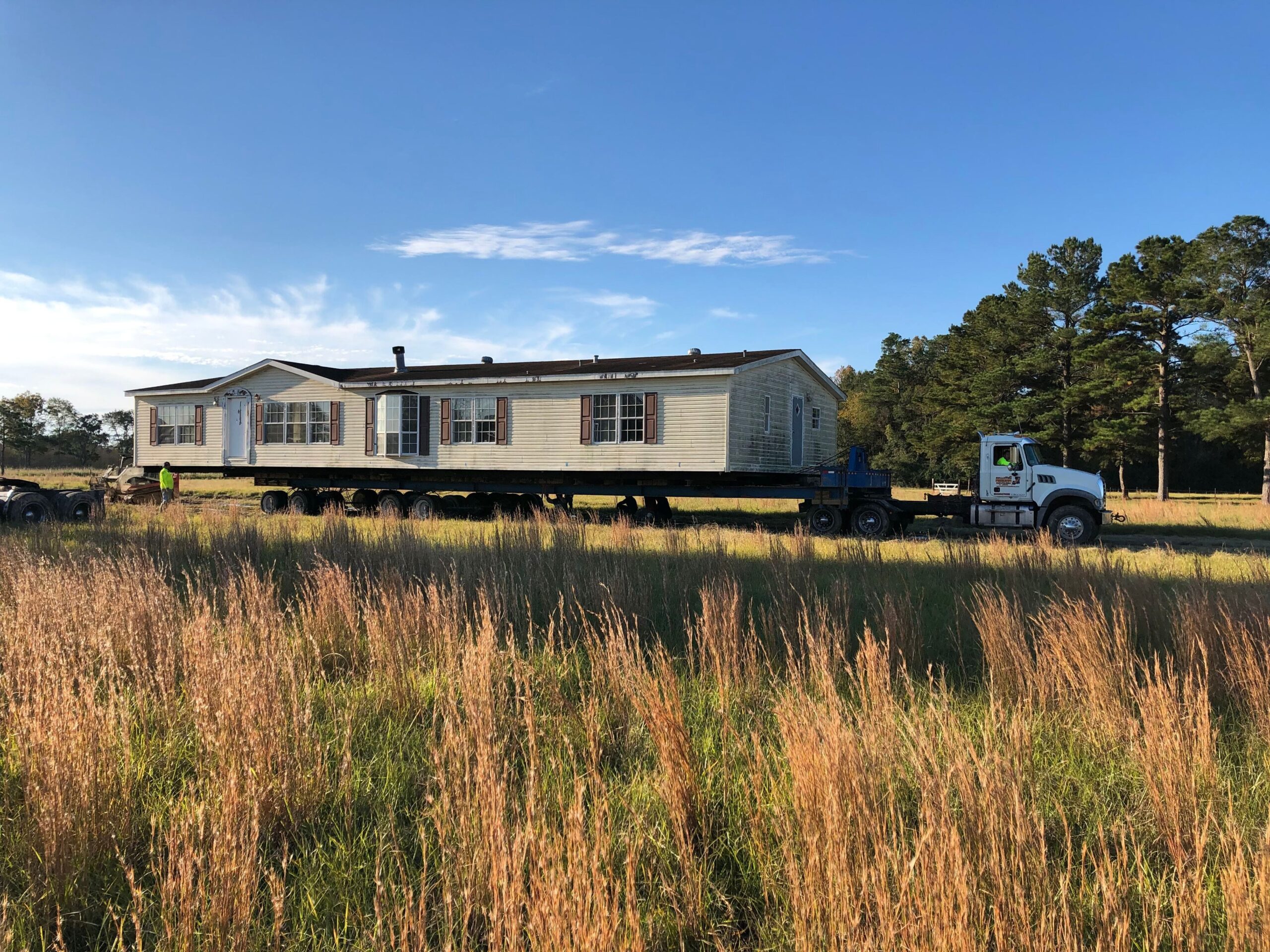
Structure moving, also known as house moving or building relocation, involves lifting an existing structure from its foundation and relocating it to a new location or repositioning it on the same property.
A structure move may involve:
  • Moving a house to another property
  • Relocating a building for redevelopment
  • Preserving a historic structure
  • Repositioning a building on the same lot
  • Moving a structure away from site-related challenges
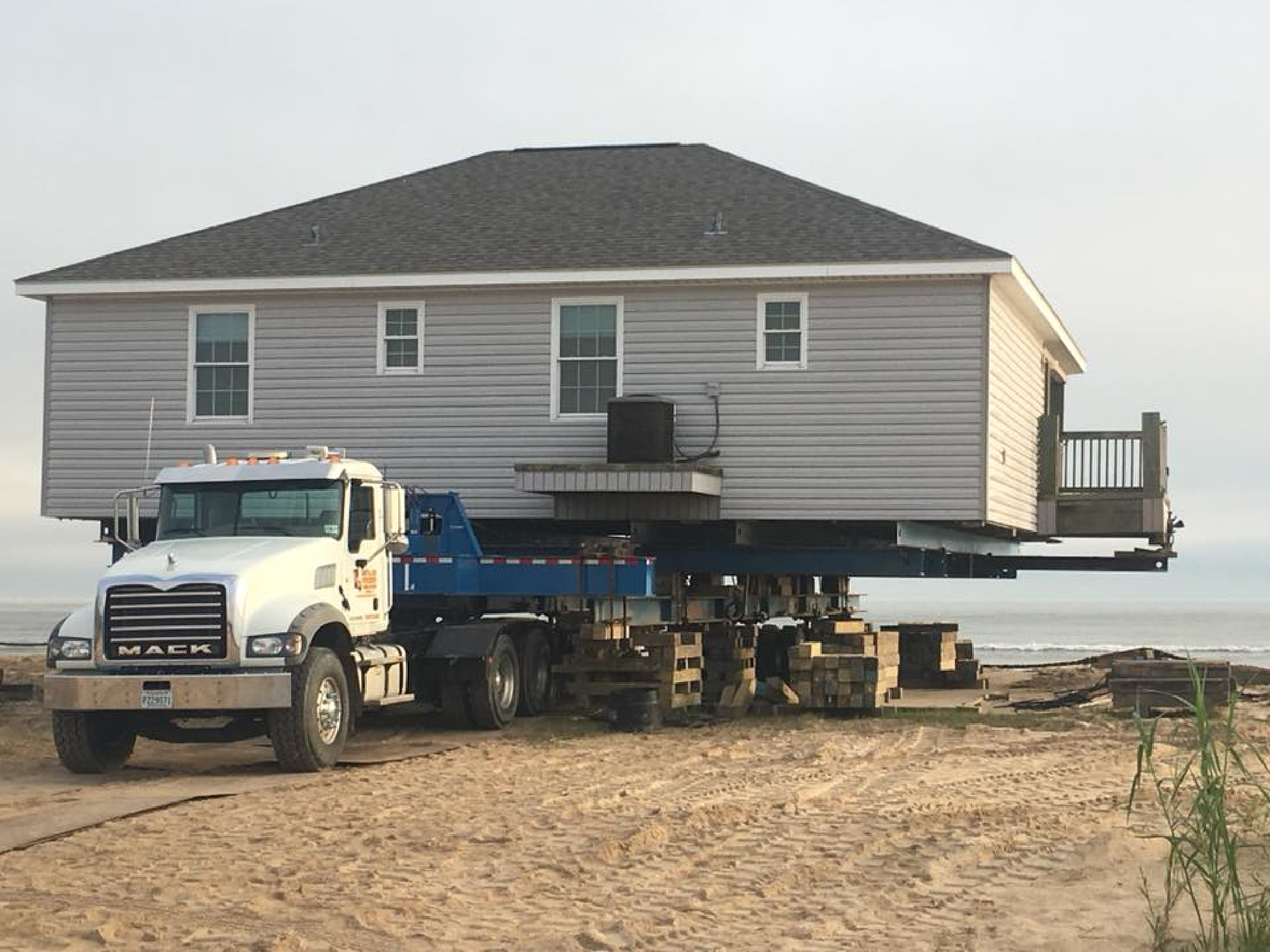
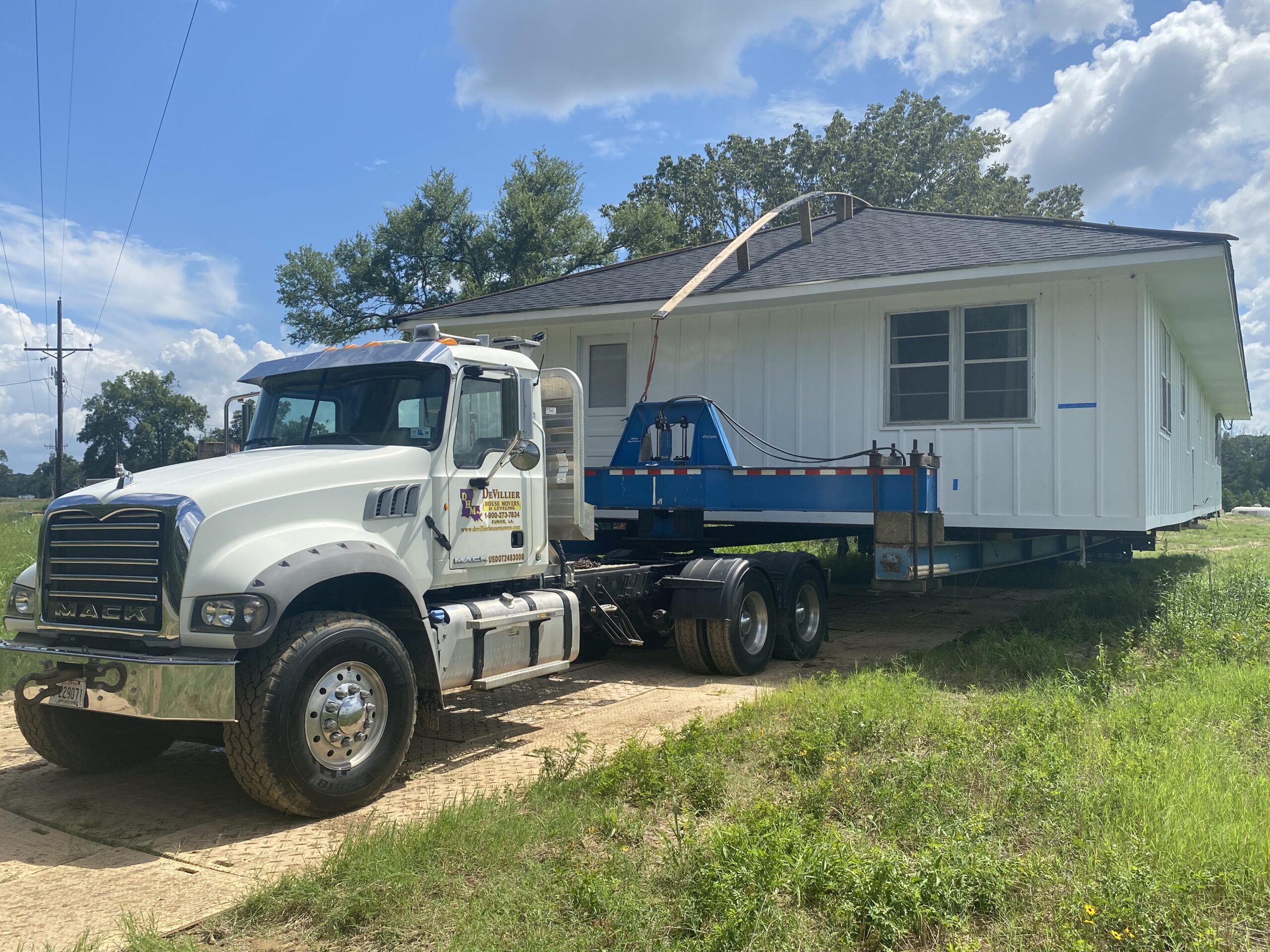
The building is supported using steel beams and hydraulic lifting equipment, separated from its existing foundation, transferred onto moving equipment, and placed on a prepared foundation at the destination.
The DeVillier Group manages structure relocation planning from initial evaluation through final placement and leveling.

When Does Moving a Structure Make Sense?

Structure moving may be a practical solution when a building remains valuable or structurally suitable but the current location no longer meets the owner’s needs. Common reasons for relocation include:

Preserve a Valuable Home

Moving allows homeowners to protect family homes, older residences, or architecturally significant buildings instead of demolishing them.

Move a Purchased House

Some buyers purchase a structure separately from the land and relocate it to a prepared property.

Support Redevelopment Plans

Buildings may be moved to make room for new construction, property improvements, or commercial development.

Preserve Historic Buildings

Relocation can help protect older or historic structures that cannot remain in their current location.

Address Property Challenges

Some owners consider moving when facing flooding concerns, drainage issues, infrastructure changes, or redevelopment requirements.

Reposition a Building on the Same Property

A structure can sometimes be moved to another area of the same lot to improve access, layout, or future development plans.

Can Every House or Building Be Moved?

Not every structure is suitable for relocation. A professional evaluation is required before determining whether a building can be safely moved. Factors considered include:
  • Structural condition
  • Building size and weight
  • Foundation and framing
  • Attached additions
  • Access around the property
  • Transportation route
  • Utility obstacles
  • Destination conditions
  • Foundation requirements
A building may be suitable for lifting but not practical for transportation because of its size, route restrictions, or site conditions. The DeVillier Group evaluates the structure, current property, destination, and relocation requirements before recommending a moving solution.

Types of Structures We Evaluate for Relocation

Residential homes

Single-family homes and other residential structures may be relocated when their construction and condition allow safe lifting and transportation.

Historic Buildings

Older and historic structures can sometimes be relocated to preserve their character and extend their usefulness.

Commercial Buildings

Offices, retail buildings, and qualifying commercial structures may be evaluated based on their construction, size, and relocation requirements.

Churches and Community Buildings

Certain institutional buildings may be considered for relocation when preservation or redevelopment goals require it.

Agricultural and Accessory Structures

Barns, cabins, storage facilities and other detached structures may also be evaluated when their construction and site access make relocation practical.
Every project requires an individual assessment to determine whether the structure can be safely moved.

Same-Property Structure Moving in Baton Rouge

Not every relocation requires transportation over public roads. A same-property move may involve:
  • Moving a building onto a new foundation
  • Rotating the structure
  • Improving property layout
  • Creating space for future construction
  • Moving away from property boundaries or site obstacles
Even shorter moves require careful planning. The team evaluates access, utilities, ground conditions, equipment space, and foundation readiness before relocation begins.

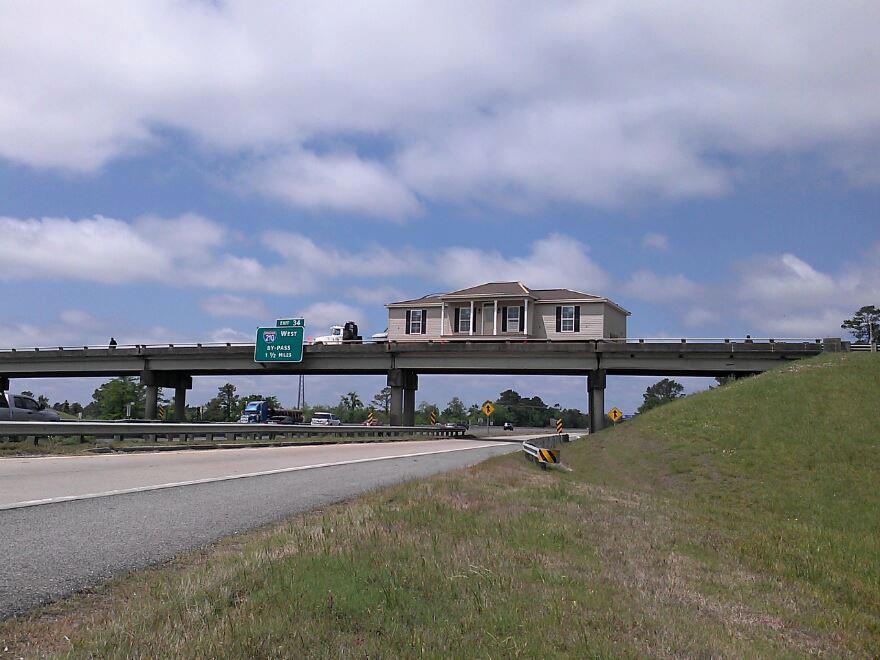
Moving a Structure Over Baton Rouge Roads

Relocating a building to another property requires detailed route planning. The relocation route is reviewed for:
  • Building dimensions
  • Road width
  • Turning areas
  • Bridge clearance
  • Utility lines
  • Traffic conditions
  • Transportation requirements
The safest route is not always the shortest route. Route planning helps identify potential obstacles before transportation begins.

Our Baton Rouge Structure-Moving Process

Consultation and Feasibility Assessment

1. Consultation and Feasibility Assessment

We begin by learning about your building, relocation goals, destination, and timeline. An on-site evaluation helps determine whether the structure can be safely relocated.

Structural and Site Evaluation

2. Structural and Site Evaluation

Our team evaluates the building, foundation, framing, utilities, access points, and surrounding conditions to determine the safest moving approach.

Planning, Engineering, and Permitting

3. Planning, Engineering, and Permitting

Once relocation is approved, we coordinate project planning, route requirements, permits, utilities, and other necessary preparations.

Structure Preparation and Lifting

4. Structure Preparation and Lifting

Before lifting, utilities are disconnected and the structure is prepared using steel beams, temporary supports, and specialized hydraulic equipment.

Transportation and Placement

5. Transportation and Placement

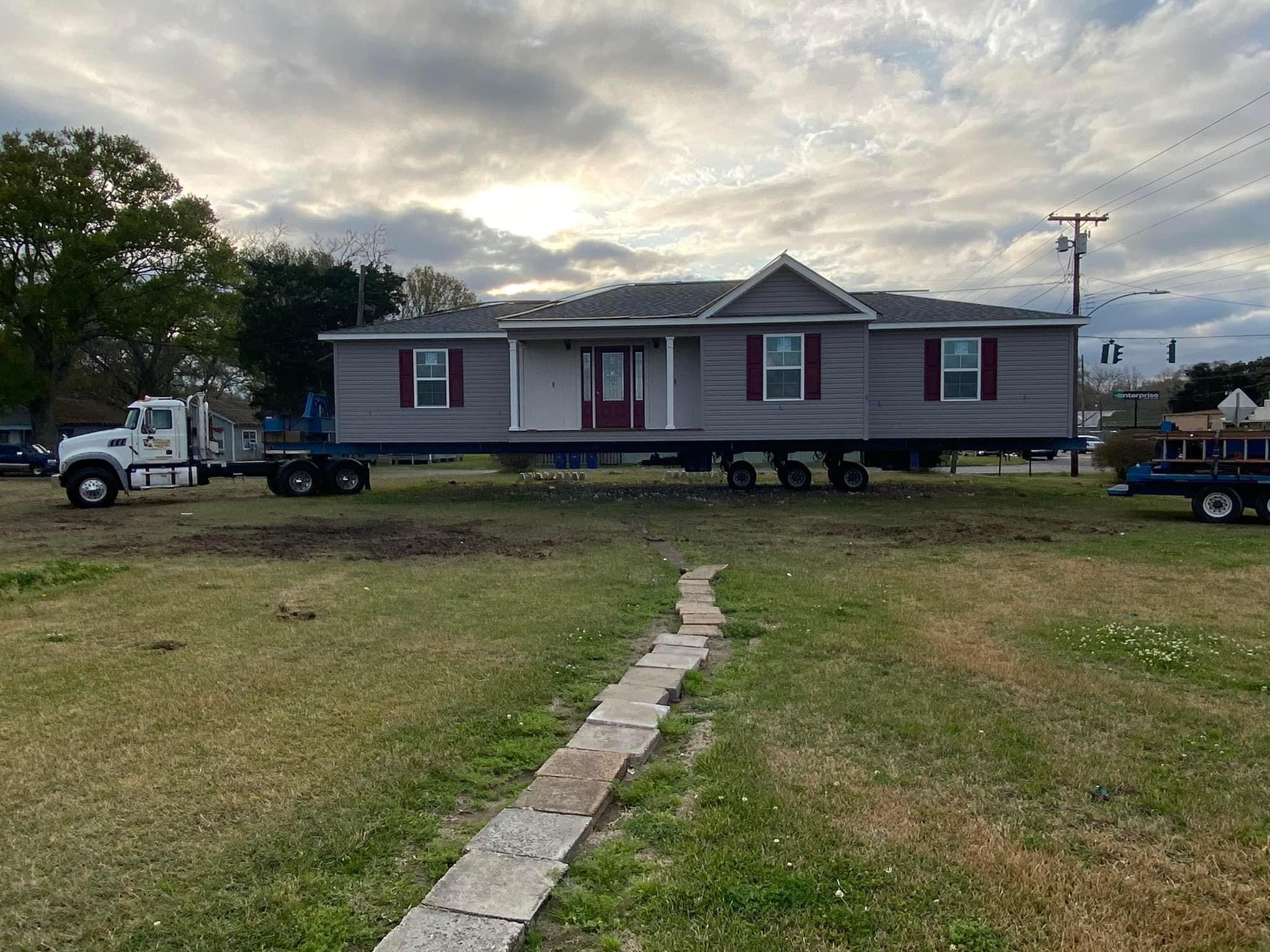
The structure is carefully moved to the destination, positioned over the prepared foundation, and lowered into place.

Final Leveling and Completion

6. Final Leveling and Completion

After placement, the structure is leveled and reviewed. Additional work may include utility reconnection, foundation completion, grading, inspections, or coordination with other contractors.
Why Unified Hydraulic Lifting Matters

Buildings do not carry equal weight at every point. Areas such as kitchens, fireplaces, masonry walls, and additions can create different load conditions.
The DeVillier Group uses unified hydraulic lifting systems designed to coordinate multiple lifting points during the relocation process. Controlled lifting helps:
  • Maintain balanced support
  • Monitor structural movement
  • Reduce unnecessary stress
  • Safely transfer the structure
  • Complete final positioning and leveling
Specialized equipment helps protect the building, but the structure’s condition and preparation also play an important role.

How Much Does Structure Moving Cost in Baton Rouge?

There is no fixed price for structure moving because every relocation project is different. Cost factors include:
  • Building size and weight
  • Structural condition
  • Distance of relocation
  • Route complexity
  • Site accessibility
  • Utility coordination
  • Permit requirements
  • Foundation needs
  • Preparation work
A same-property move may be less complex than a roadway relocation, but access challenges and foundation requirements can still affect the final cost. The DeVillier Group provides project-specific estimates after evaluating the structure and relocation requirements.

Is Moving a House Cheaper Than Building a New One?

Sometimes, but it depends on the project.

Moving may make sense when:

  • The structure is in good condition
  • The building has personal or historic value
  • The destination is suitable
  • Transportation requirements are manageable

Building new may be better when:

  • Major repairs are required
  • The structure needs extensive modification
  • Transportation is impractical
  • Renovation costs are too high

A complete project comparison should consider relocation, foundation work, utilities, repairs, and future improvements.

How Long Does a Structure-Moving Project Take?

The physical move is only one part of the relocation process. The timeline depends on:
  • Structural evaluation
  • Planning
  • Permits
  • Route preparation
  • Utility coordination
  • Foundation readiness
  • Weather
  • Project complexity
A project-specific timeline is developed after evaluating the building and relocation requirements.

Why Baton Rouge Property Owners Choose The DeVillier Group

More Than 30 Years of Structural Experience

The DeVillier Group has decades of experience moving, lifting, leveling, and repairing structures throughout Louisiana.

Complete Structure Moving Solutions

From evaluation and planning to lifting, transportation, placement, and final leveling, we manage every stage of the relocation process.

Specialized Hydraulic Equipment

Our hydraulic lifting systems provide controlled support throughout the moving process.

Experience With Multiple Building Types

We evaluate residential, historic, commercial, agricultural, and institutional structures.

Licensed and Insured Professionals

Our team provides professional structure-moving services backed by experience and specialized equipment.

Serving Baton Rouge and Louisiana

Based in Eunice, The DeVillier Group provides structure moving services throughout Baton Rouge and surrounding Louisiana communities.

We've partnered with

international association of structural movers
BBB Logo
Texas association of structural movers logo
licensed contractor state of louisiana
fema logo

WHAT OUR CLIENTS SAY

Recent Structure-Moving Projects

Explore completed structure-moving projects from The DeVillier Group throughout Louisiana. Each relocation requires a customized plan based on the structure, property conditions, destination, and transportation requirements.

Structure Moving Near Baton Rouge

The DeVillier Group provides structure-moving services in Baton Rouge and surrounding communities, including:
maps-and-flags

Zachary

maps-and-flags

Denham Springs

maps-and-flags

Prairieville

maps-and-flags

Gonzales

maps-and-flags

Central

maps-and-flags

Port Allen

maps-and-flags

Walker

maps-and-flags

Baker

Service availability depends on the structure, route, destination, and project requirements. Call 337-546-0255 to discuss your relocation project.

Request a Free Structure-Moving Estimate in Baton Rouge

A successful structure relocation begins with understanding the building, destination, and transportation requirements.
The DeVillier Group evaluates your structure and provides a project-specific recommendation covering preparation, lifting, transportation, and final placement.
With more than 30 years of structural experience and specialized hydraulic equipment, we help property owners relocate homes, historic buildings, and qualifying commercial structures throughout Louisiana.

Call 337-546-0255 today to request your free structure-moving estimate.

Frequently Asked Questions

What is the structure moving?

Structure moving involves lifting an existing building from its foundation and relocating it to another location or repositioning it on the same property.
No. Feasibility depends on the building’s condition, size, construction, access, destination, and transportation requirements.
Yes, when site conditions, access, and foundation requirements allow the relocation.
Depending on the project, permits may be required for transportation, foundation work, utilities, and other relocation activities.
A roadway move may be possible when the loaded dimensions comply with local limits and an approved route can accommodate the building. Roads, bridges, turns, utility lines, signs, trees and traffic conditions all affect feasibility.
The City-Parish’s official information sheet states that a moving permit will not be issued when the loaded building exceeds 20 feet wide, 75 feet long or 16 feet high from the ground to the top of the building.
The City-Parish information sheet states that building moves may not take place between 6:00 and 9:00 a.m. or between 3:00 and 9:00 p.m.
Yes. A permit is required before moving a building across a public street, road or alley in East Baton Rouge City-Parish. Related foundation and remodel permits may also apply.
The City-Parish’s posted requirements state that permits are issued only to licensed building movers.
The application may require building dimensions and condition, legal descriptions of both properties, a destination plot plan, foundation plan, flood-zone determination, proposed Elevation Certificate, route, moving date and approvals from affected agencies and utility providers.
The company states that its relocation service includes assistance with permits, utility coordination, route approvals and communication with local authorities. The project proposal should identify exactly which responsibilities are included.
The route is reviewed for road width, turns, bridges, overhead utilities, traffic signals, signs, trees, railroad crossings and other restrictions. The prepared dimensions of the loaded building must also comply with the applicable permit limits.
The destination foundation must be designed and coordinated with the relocation plan before final placement. Its dimensions, elevation, support points and utility locations must match the building.
Demolition, removal and restoration of the original site should be defined in the proposal. The City-Parish requires the property from which the building is removed to be left safe and sanitary.
Some buildings with brick or masonry components may be movable, but they require individual evaluation. Brick veneer, chimneys and fireplaces may need special preparation or may be excluded from the move.
Some attached components can move with the main building. Others may require separate support, temporary removal or reconstruction at the destination.
Utilities must be disconnected before lifting. The City-Parish requires advance coordination with gas and electric providers and requires the sewer connection to be plugged and water service shut off.
This must be determined for the individual move. Furniture, appliances and other contents may need to be removed or secured because they add weight and can shift during lifting and transportation.
Professional lifting and transportation methods are intended to manage structural stress, but an existing building may still experience cosmetic movement. Its age, materials, condition and preparation affect how it responds.
Cost depends on the building, structural preparation, distance, route, permits, utility coordination, foundation requirements and destination access. An on-site assessment is necessary for an accurate estimate.
The physical move is only one part of the project. Engineering, permits, route approval, utilities, structural preparation, and foundation construction can add significantly more time.
Yes. The DeVillier Group provides structure-moving services throughout Louisiana.