
Follow us :
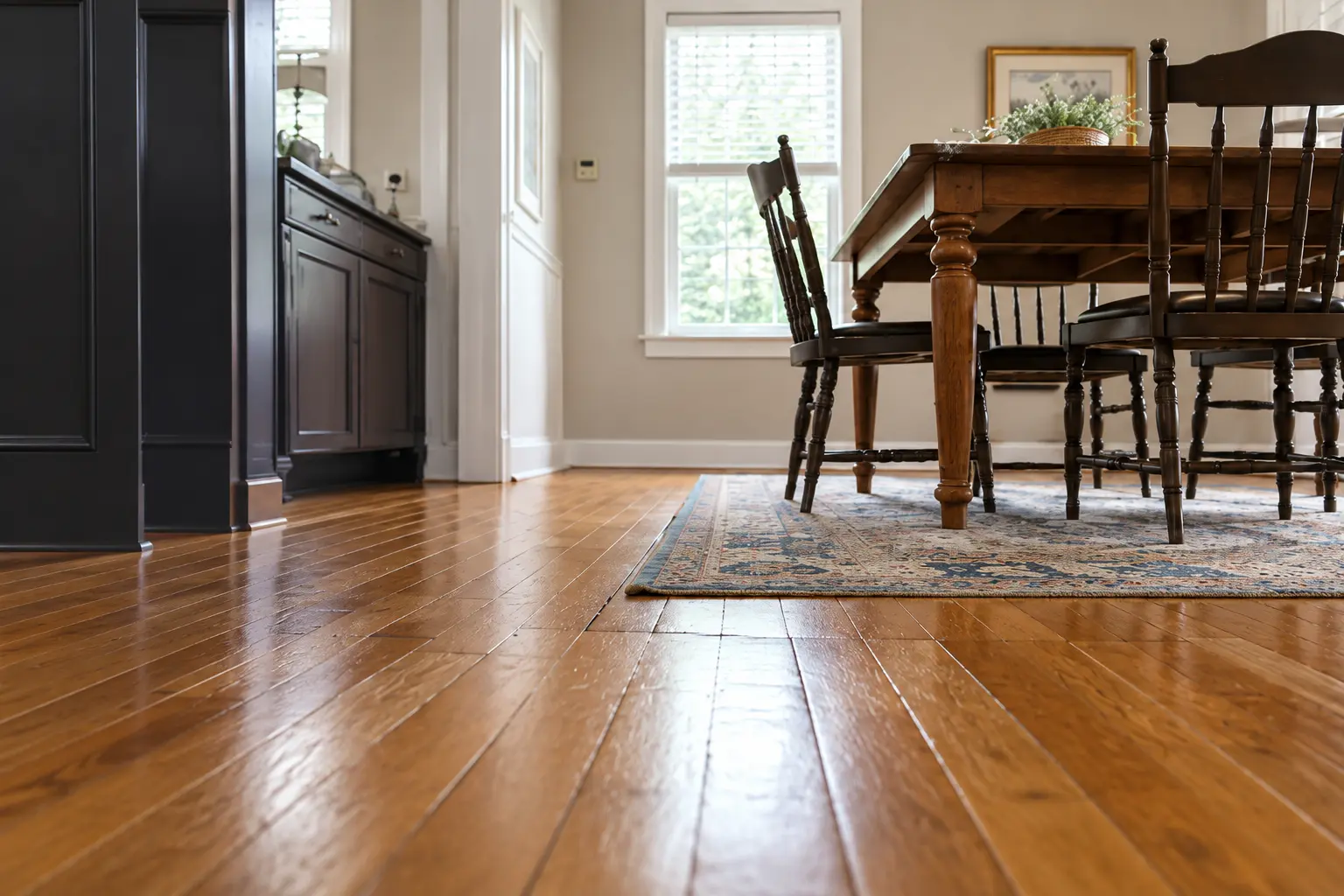
Foundation problems rarely look the same from one property to another. Recurring wall cracks, sloping floors, sticking doors or visible settlement can all point to different underlying causes.
The DeVillier Group evaluates the structure, foundation, and surrounding property before recommending a repair plan, rather than applying the same fix to every home. Based in Eunice, Louisiana, we have more than 30 years of experience moving, lifting, leveling, and repairing structures throughout the state.
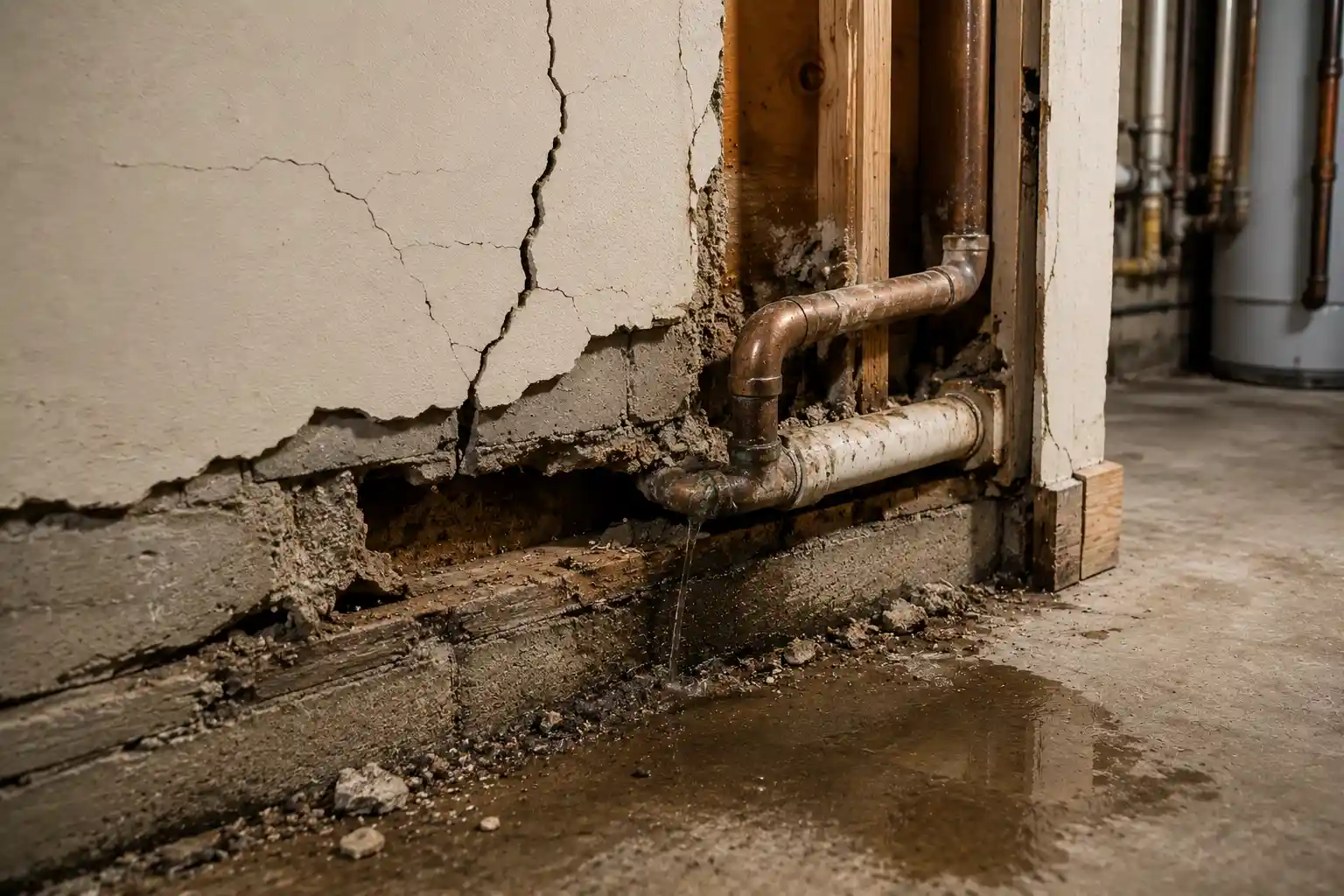
Foundation movement can affect many parts of a structure. Some problems develop gradually, while others become noticeable after periods of heavy rain, prolonged dry weather, plumbing problems, or changes around the property.
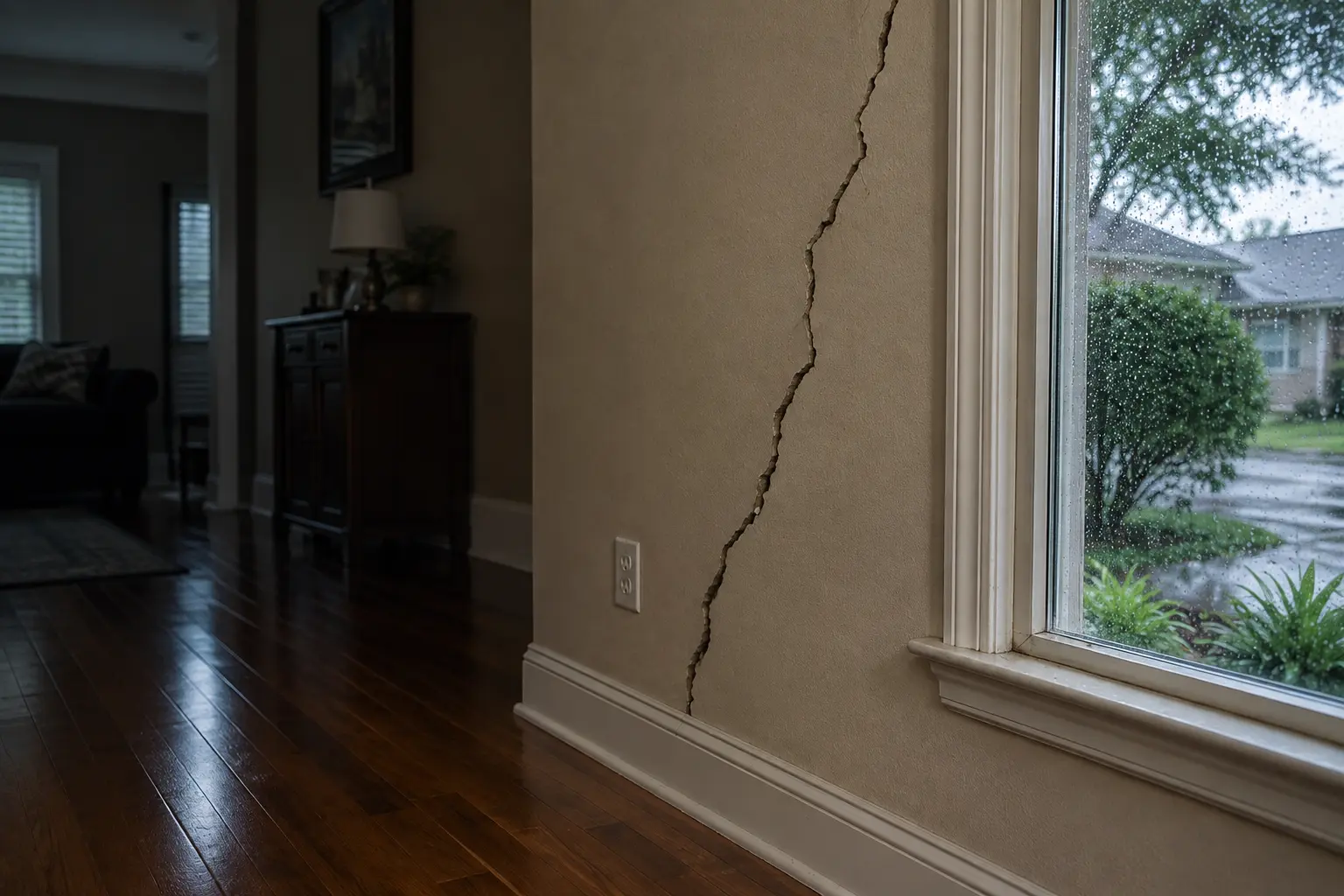
Common warning signs include:
One isolated crack does not necessarily mean a home requires major foundation repair. Concrete, drywall, masonry, and framing can move for several reasons. The location, direction, progression, and combination of symptoms should be evaluated before a repair method is selected.
Foundation repair focuses on restoring or adding dependable structural support beneath a settling, damaged, or inadequately supported foundation.
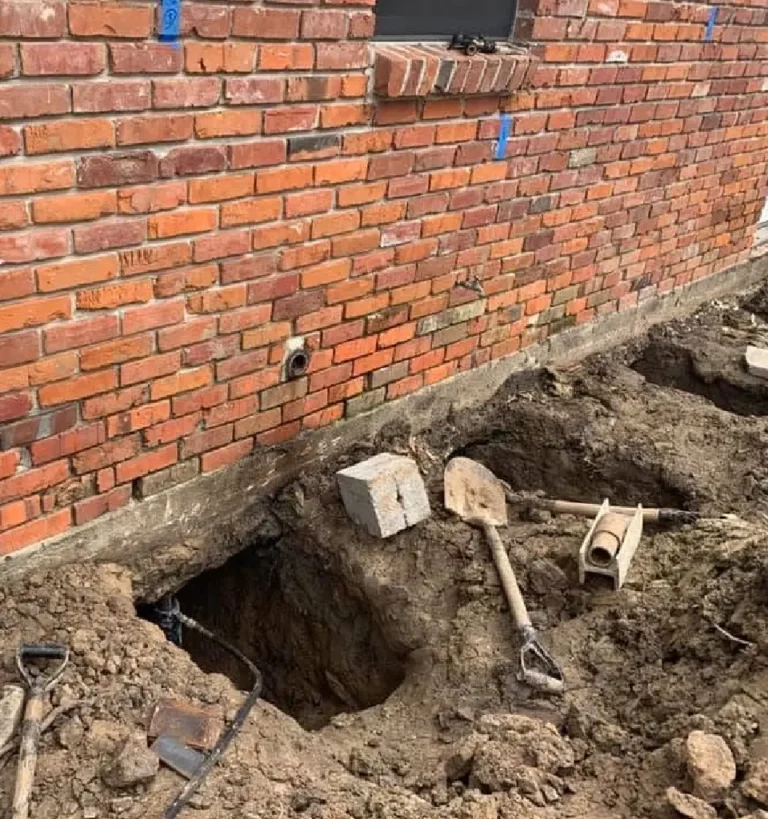
Foundation repair may involve:
House leveling focuses on correcting elevation differences within the structure. It may involve raising settled sections, adjusting piers or supports, reinforcing beams, or improving floor elevations.
House leveling may involve:
The correct service depends on what moved and why. Before recommending a solution, The DeVillier Group evaluates the foundation type, affected areas, existing supports, floor elevations, structural condition, previous repairs, and whether additional foundation support is required.
Every home is built differently, and the right repair approach depends on the type of foundation supporting the structure.
A slab-on-grade home is supported by concrete placed over prepared ground. When support beneath one portion of the slab changes, symptoms may appear in floors, walls, exterior masonry, door openings, windows, or plumbing systems. Not every slab crack requires foundation repair, the complete movement pattern should be evaluated first.
Pier-and-beam homes depend on a system of piers, beams, and floor framing. Problems can develop from settled piers, deteriorated supports, sagging beams, or previous repairs that no longer provide sufficient support. Depending on the findings, the project may involve foundation repair, reinforcement, house leveling, or a combination.
Many homes have been expanded over time. The original structure may sit on piers while an addition or garage rests on a slab. Because each section is supported differently, it may move at a different rate, so the connection between sections should be evaluated before structural adjustment begins.
Foundation movement can result from several conditions, and more than one factor may affect the same property.
We follow a structured evaluation and repair process to understand the cause of foundation movement and develop the right solution for each property.

We begin by discussing the changes you have noticed, the home's history, previous repairs, drainage concerns, plumbing issues, or structural changes.

Our team evaluates the visible foundation, floor elevations, cracks, openings, supports, additions, drainage conditions, and other indicators of structural movement.

After the evaluation, The DeVillier Group develops a project-specific recommendation based on the affected areas and the required support.

Depending on the project and jurisdiction, permits, engineering, utility coordination, or other professional involvement may be required. The proposal should explain the responsibilities associated with the project.

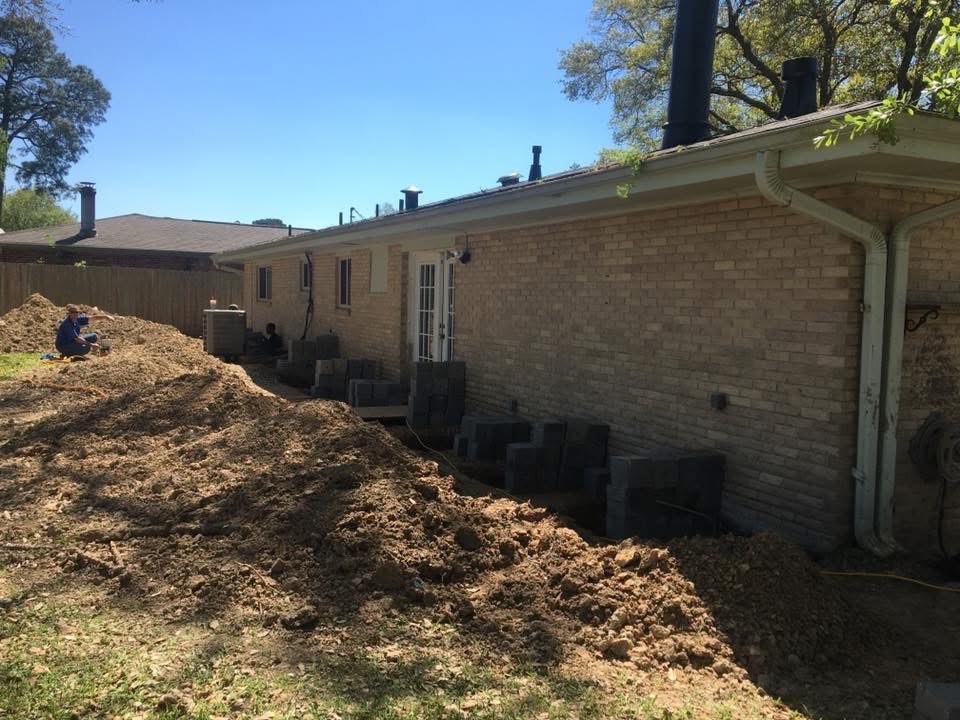
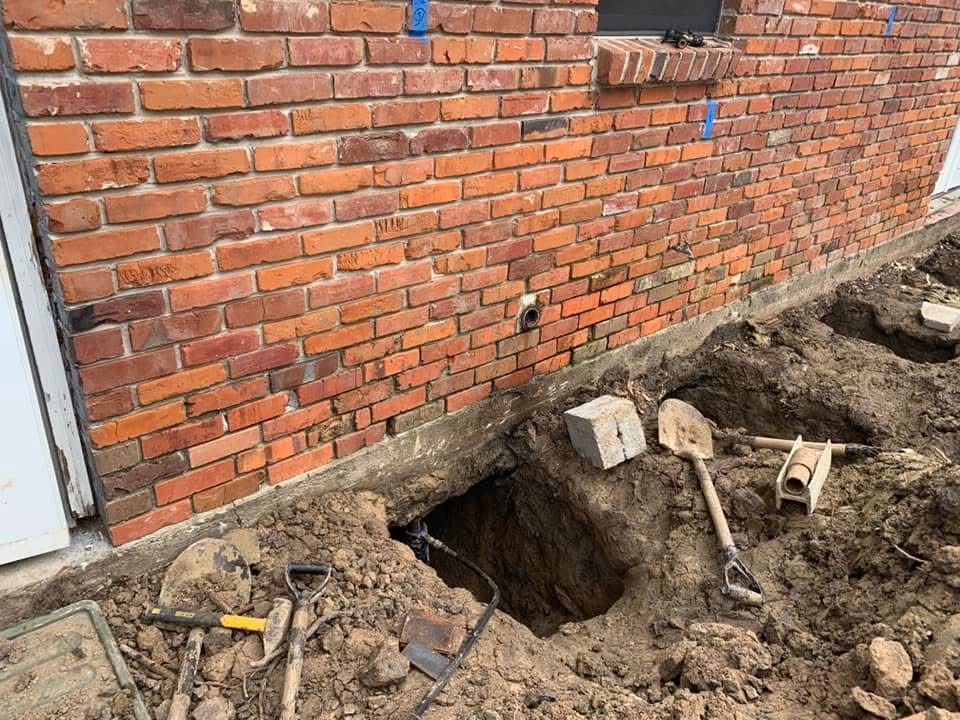
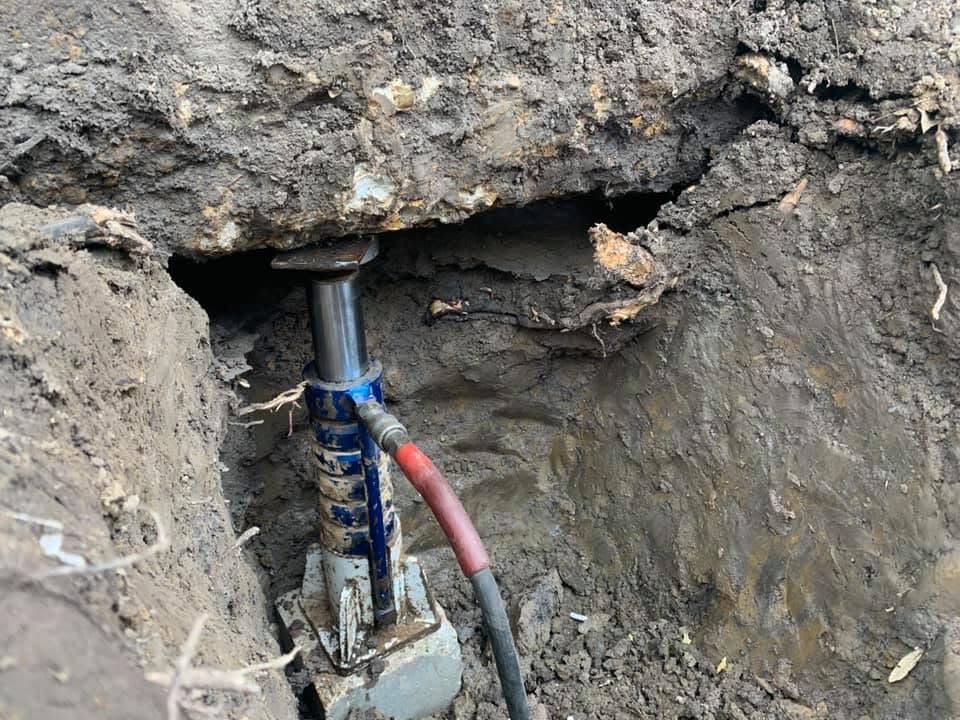
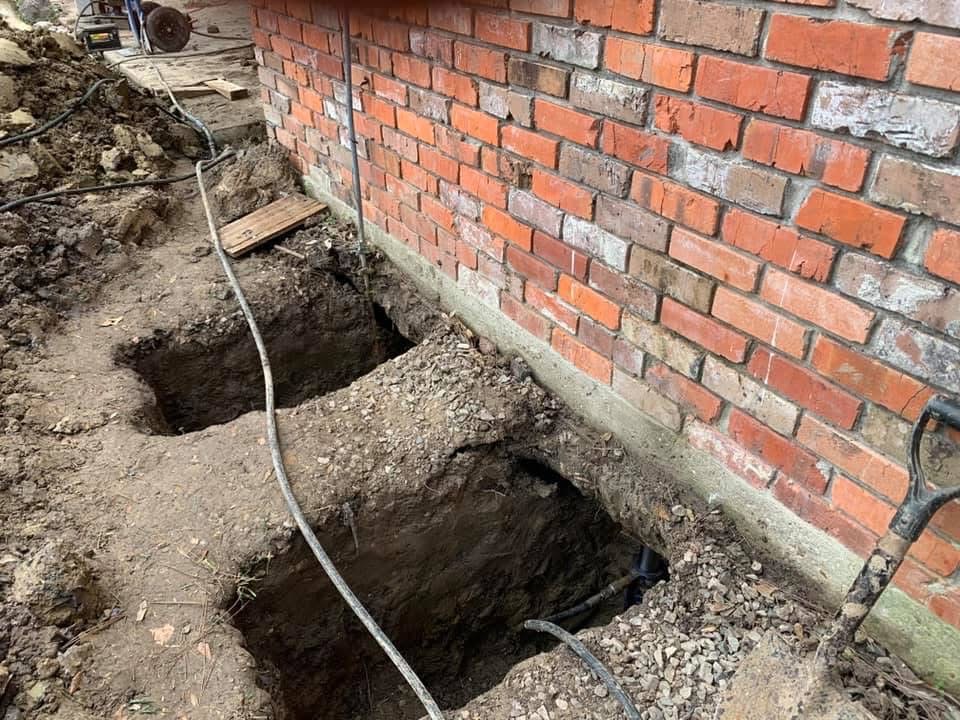
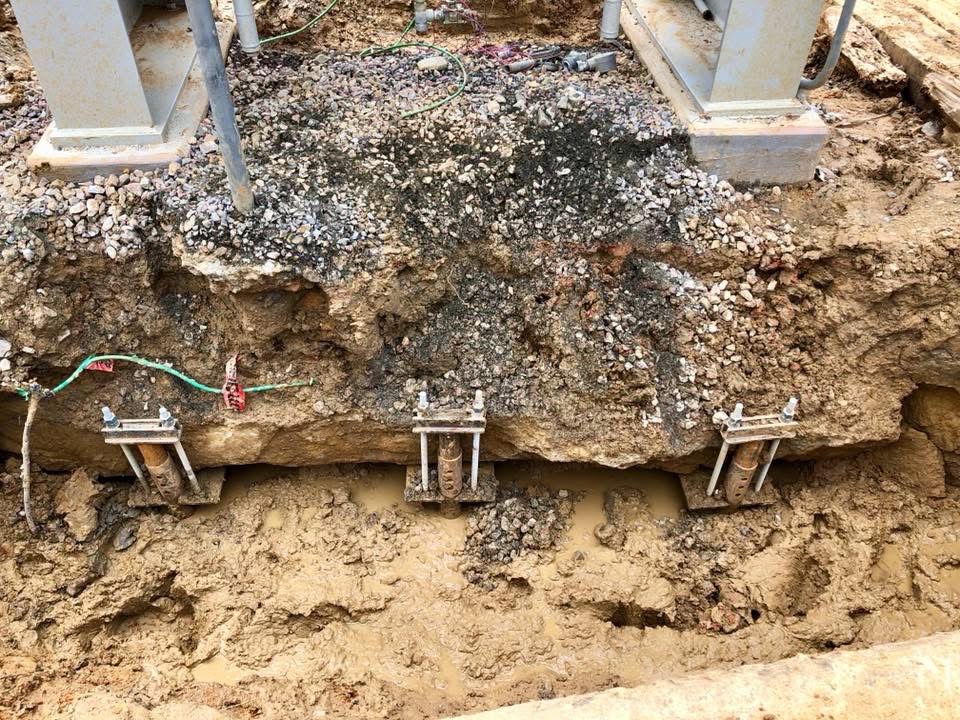
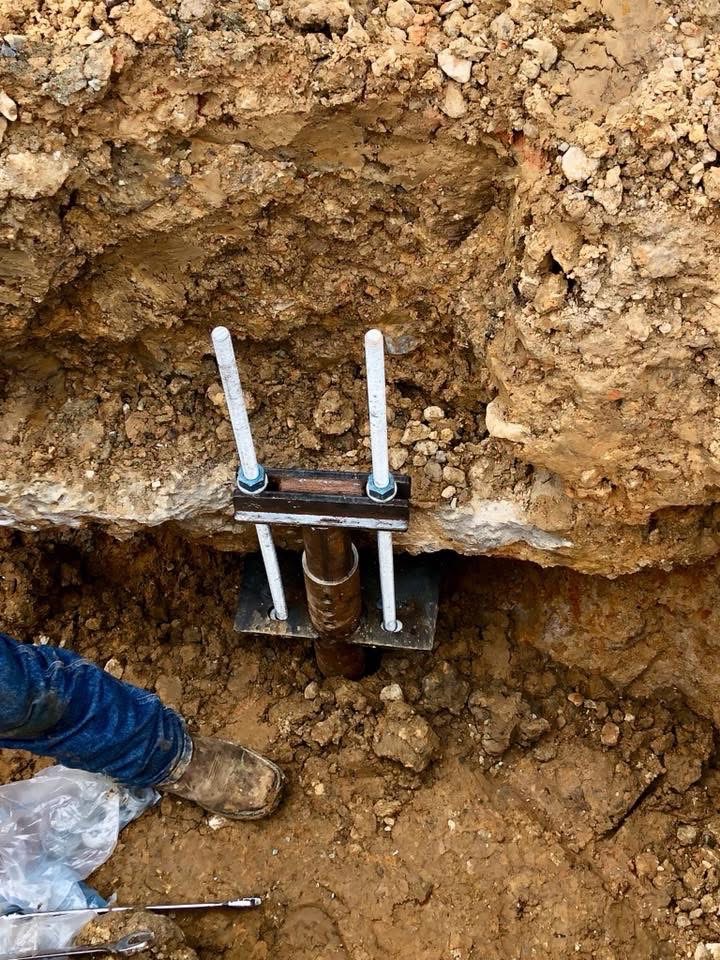
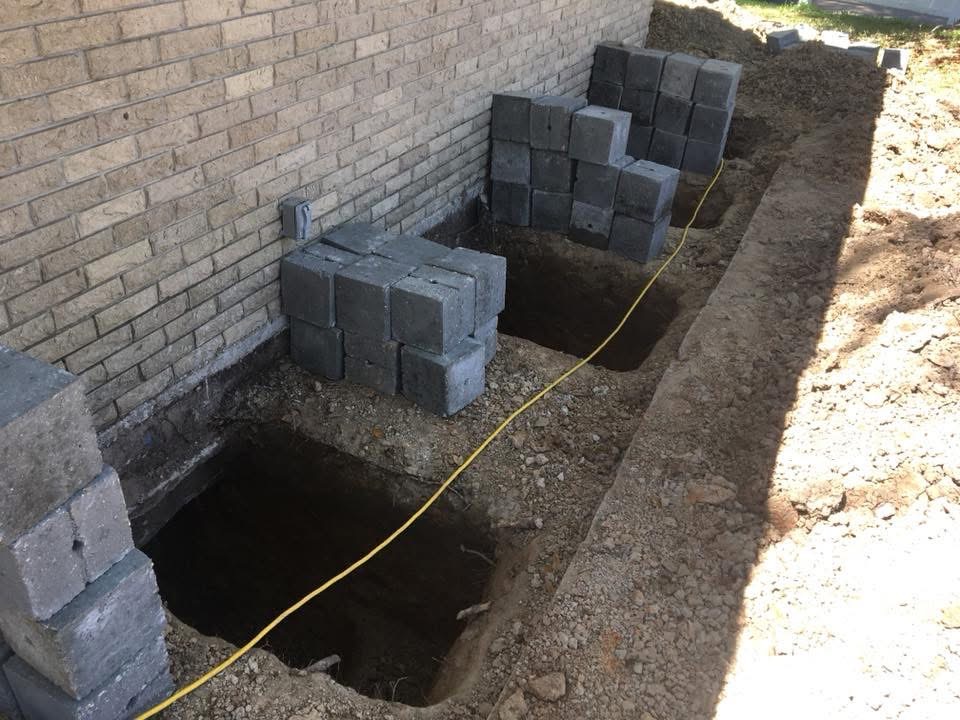
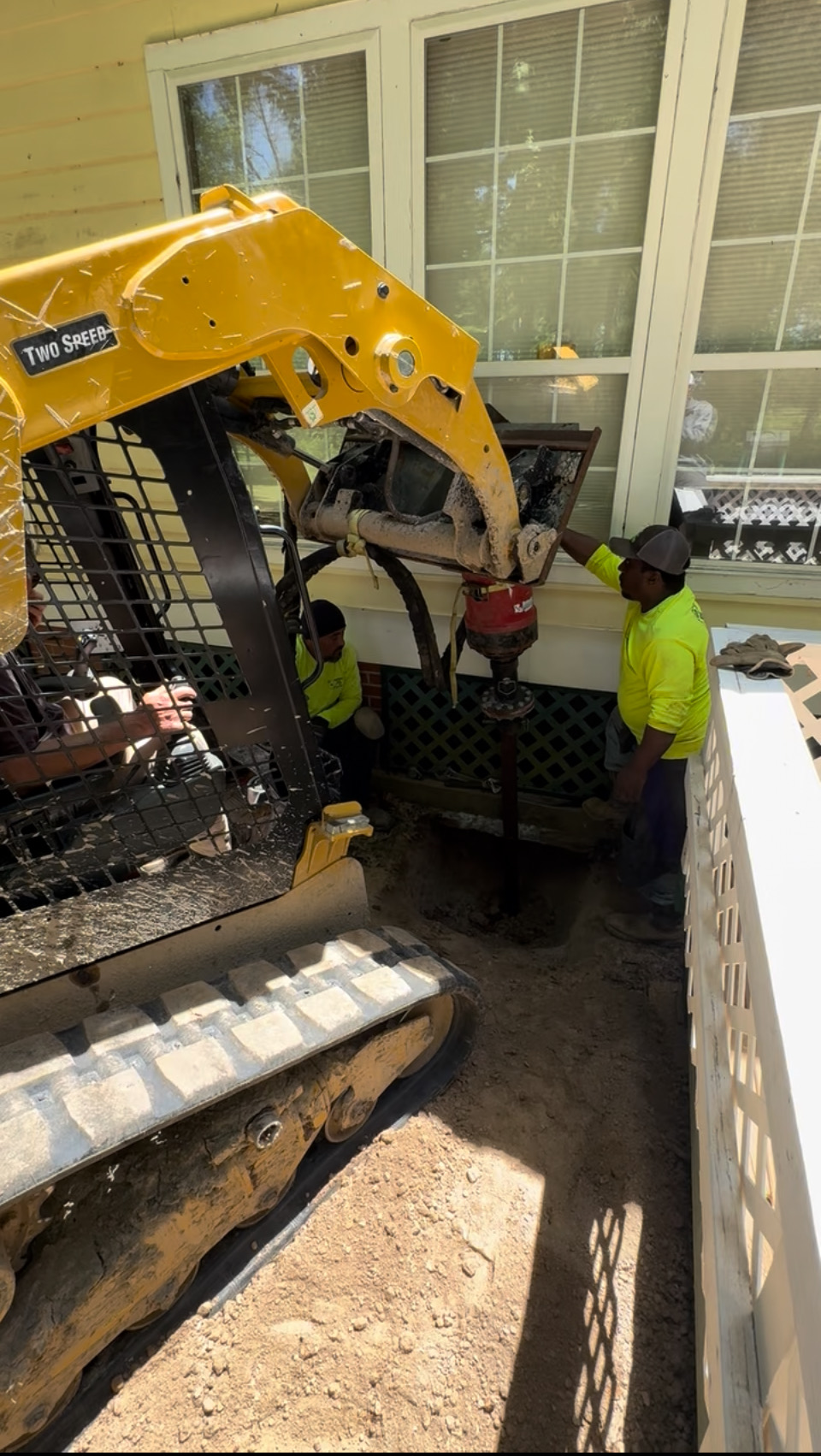
Our crew establishes access to the affected foundation areas and installs the approved piles, supports, or reinforcement. Where lifting is included, the structure is adjusted gradually using specialized hydraulic equipment while monitoring how the building responds.

The repaired areas are secured according to the project plan, the site is cleaned, and the completed structural work is reviewed with the homeowner.
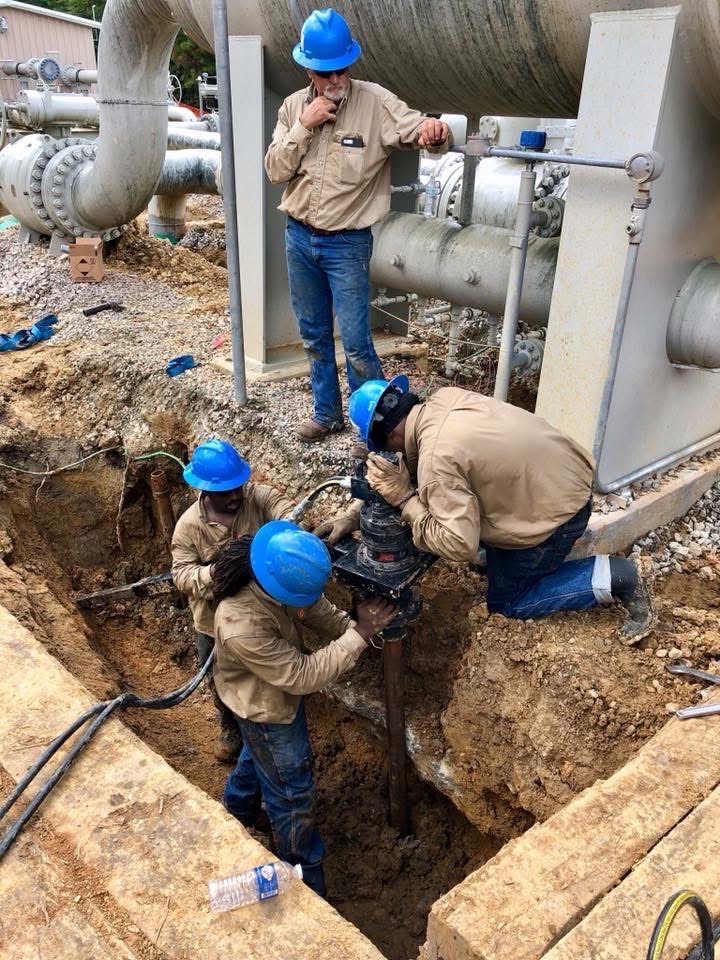
Some foundation repair projects require more than adding support beneath the structure. When settled areas need to be raised, the lifting process must account for the fact that different parts of a home carry different amounts of weight.
A kitchen, bathroom, masonry wall, fireplace, or addition may place substantially more load on one lifting point than another.
The DeVillier Group uses unified hydraulic jacking systems for structural projects requiring coordinated movement across multiple lifting points. A unified system allows multiple hydraulic cylinders to work together so the crew can make gradual, controlled adjustments while monitoring the structure.
This approach is used across several DeVillier structural services, including foundation repair, house leveling, home elevation, and structure moving.
Foundation Repair May Help
Depending on the project, foundation repair may:
Foundation Repair Does Not Automatically Correct
Structural repair does not automatically restore every existing finish to new condition. Some damage may remain, including:
Separate work may still be needed for:
When moisture appears to be contributing to movement, those conditions should be considered as part of the broader property plan. The written proposal should make clear whether drainage or plumbing work falls within the foundation repair scope or must be handled separately.
There is no reliable flat price for foundation repair because every home, foundation, and repair plan is different.
Project cost may depend on:
The DeVillier Group has more than three decades of experience moving, lifting, leveling, and repairing structures.
Foundation repair is one of four primary structural services, along with house leveling, home elevation, and structure moving, giving us experience that extends beyond individual foundation components to the movement and support of complete structures.
Depending on the structure and repair requirements, the project may involve concrete, steel, or helical piles as well as pier-and-beam support repairs.
The repair plan is developed after evaluating the actual structure and support requirements, including specialized hydraulic lifting equipment where coordinated adjustment is needed rather than applying the same solution to every home.
The DeVillier Group is based in Eunice and works throughout Louisiana, with hands-on familiarity with local soil conditions, drainage patterns, and permitting requirements that affect foundation repair.
The DeVillier Group is based in Eunice and provides structural services throughout Louisiana. Service availability depends on the property, project requirements, structural condition, and access. Call 337-546-0255 to confirm service availability for your property.