A cracked tile doesn’t always seem like a major problem.
Most homeowners assume:
- the tile was defective,
- the installer made a mistake,
- something heavy was dropped,
- or the floor simply aged over time
Sometimes that’s true.
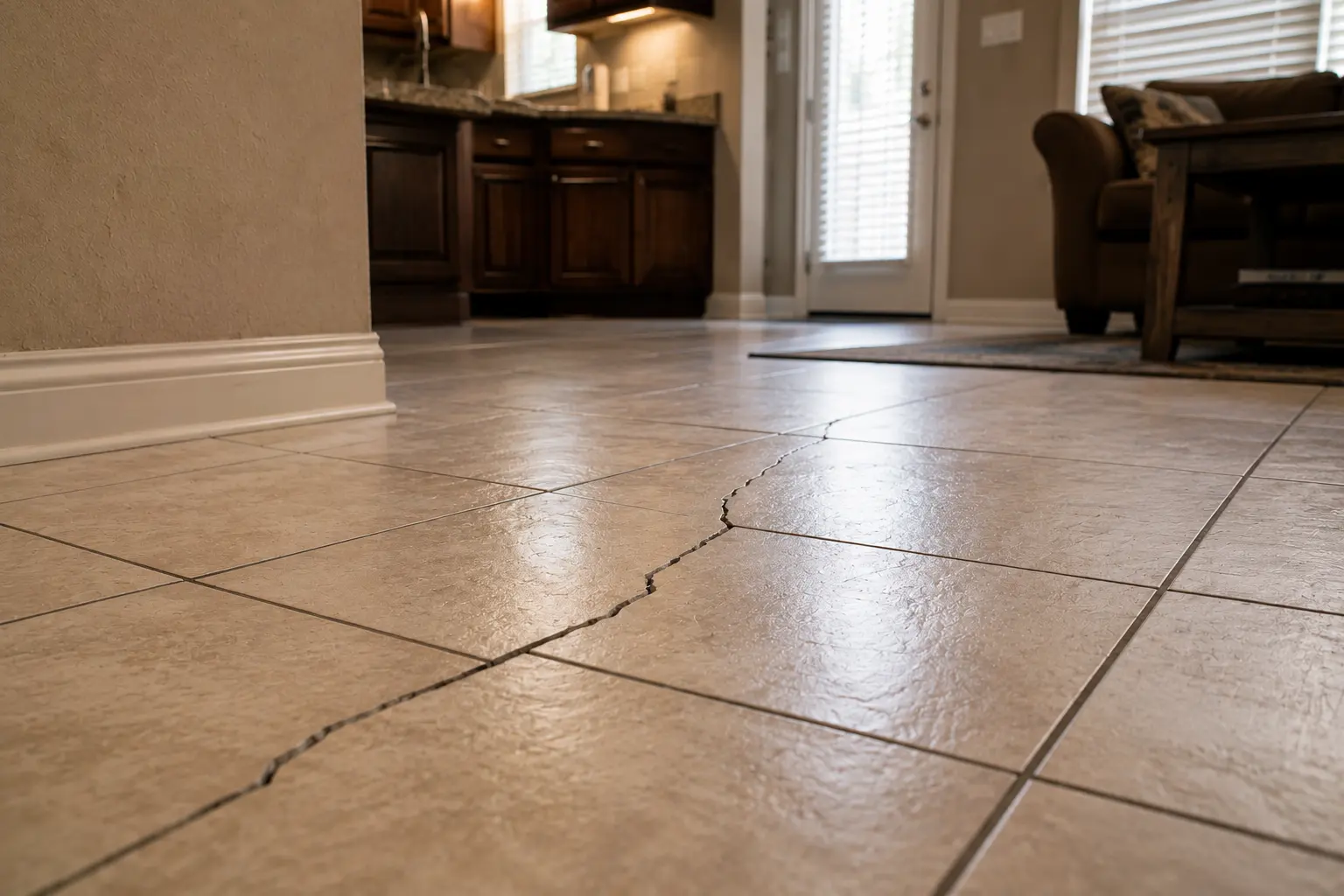
But when tiles begin cracking repeatedly, especially in the same area or along a straight line, the problem may be happening underneath the floor itself.
In Louisiana homes, cracked tile is often one of the earliest visible signs of:
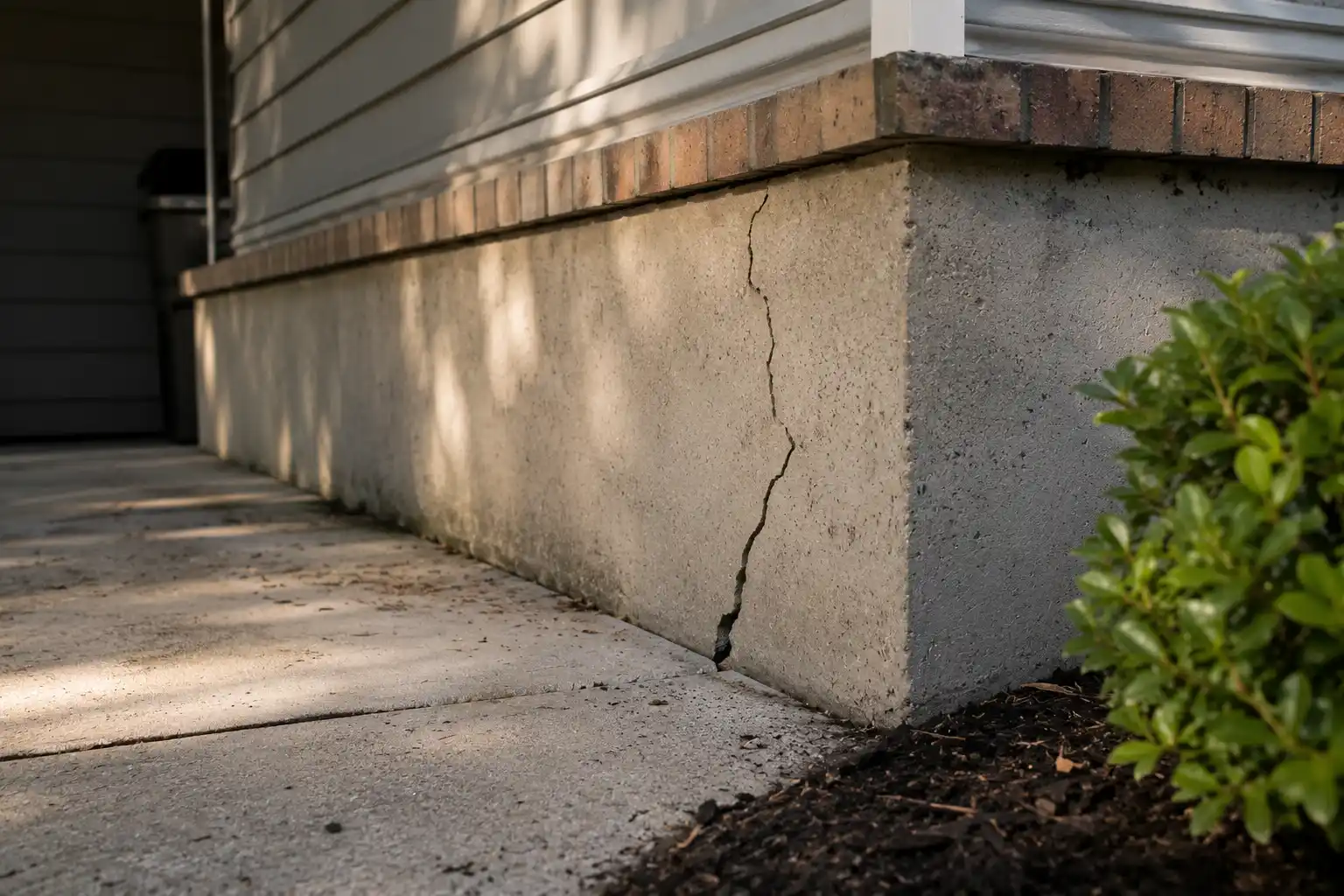
- foundation settlement,
- floor movement,
- slab cracking,
- or structural shifting beneath the home.
Before replacing cracked tiles, it’s important to understand why they cracked in the first place.
Are Cracked Tiles Always a Foundation Problem?
No.
Tiles can crack for several reasons that have nothing to do with the foundation.
Common non-structural causes include:
- impact damage
- poor installation
- improper grout spacing
- defective tile
- expansion and contraction
However, when cracking becomes repetitive or follows a pattern, structural movement becomes more likely.
Why Tile Cracks Happen
Tile is extremely strong under compression.
What tile doesn’t handle well is movement.
Unlike wood or vinyl flooring, tile has very little flexibility.
When the surface beneath the tile moves, even slightly, the tile often becomes the first thing to crack.
This is why floor movement frequently reveals itself through damaged tile.
1. Foundation Settlement Beneath the Slab
One of the most common causes of tile cracking is foundation settlement.
As the foundation shifts unevenly, the concrete slab beneath the flooring experiences stress.
That movement transfers upward into the tile.
Eventually, the tile may:
- crack,
- separate,
- or loosen.
Common Signs Settlement May Be Involved
- multiple cracked tiles
- cracks appearing in a straight line
- cracks returning after repair
- uneven flooring nearby
- wall cracks appearing simultaneously
In Louisiana, expansive clay soil makes settlement one of the most common causes of recurring tile damage. Learning In Louisiana, expansive clay soil makes settlement one of the most common causes of recurring tile damage. Learning how to tell if your foundation is settling can help determine whether cracked tiles are part of a larger structural issue. can help determine whether cracked tiles are part of a larger structural issue.
2. Slab Cracks Under the Flooring
Sometimes the tile isn’t actually the first thing that cracked.
The concrete slab underneath cracked first.
As the slab separates or shifts, the crack transfers upward through the flooring system.
This often creates:
- straight-line tile cracks
- repeating crack patterns
- multiple tiles cracking along the same path
A Major Warning Sign
If several tiles crack in a straight line, the slab underneath may contain a structural crack.
3. Floor Movement in Pier and Beam Homes
In raised Louisiana homes, tile cracking may occur because of movement in the floor structure itself.
Common causes include:
- sagging joists
- weak support beams
- crawl-space moisture
- shifting piers
As the floor flexes during normal use, rigid tile surfaces eventually crack under stress.
4. Moisture Damage Beneath the Floor
Moisture is one of the biggest structural threats to Louisiana homes.
Excess moisture beneath flooring systems may cause:
- wood expansion
- subfloor deterioration
- support movement
- floor instability
As the floor shifts, tile surfaces often begin cracking.
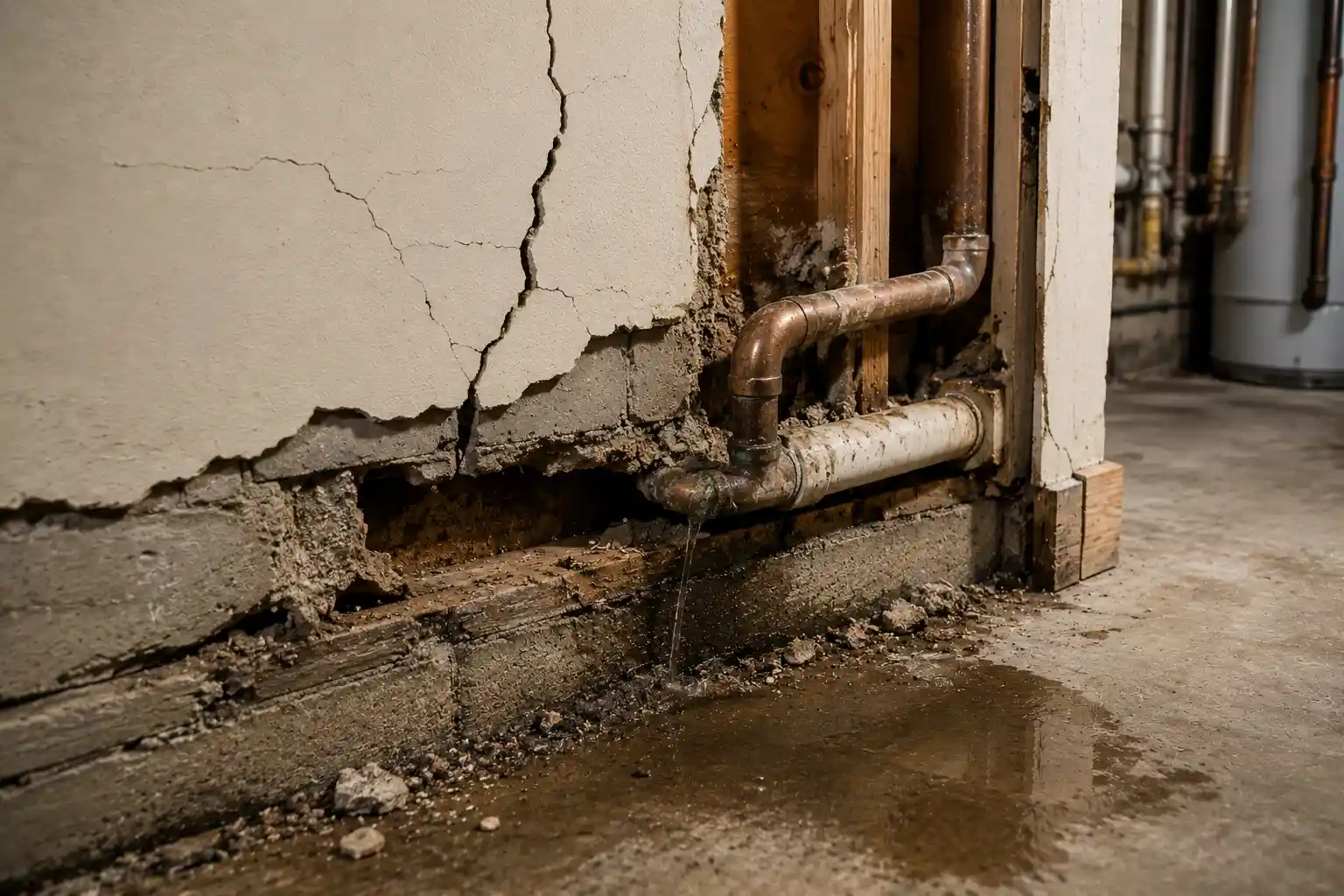
In some homes, hidden plumbing leaks beneath the slab can contribute to excess moisture and floor movement. Homeowners are often surprised to learn that foundation problems can cause plumbing issues, and plumbing issues can sometimes contribute to foundation movement as well.
Common Moisture Signs
- musty odors
- soft flooring
- floor movement
- crawl-space humidity
- repeated tile cracking
5. Heavy Objects and Concentrated Weight
Sometimes cracked tile has a simple explanation.
Heavy objects may create excessive pressure on flooring systems.
Examples include:
- large safes
- pianos
- stone countertops
- oversized furniture
If support conditions beneath the floor are already weak, concentrated weight can accelerate cracking.
6. Poor Installation
Not every cracked tile indicates structural damage.
Installation mistakes may include:
- insufficient mortar coverage
- poor subfloor preparation
- improper expansion spacing
- low-quality materials
Installation-related cracks are often isolated and don’t continue spreading throughout the home.
How to Tell if Tile Cracks Are Structural
The pattern of cracking often reveals the cause.
Usually Less Concerning
- single cracked tile
- impact damage
- isolated corner crack
- damage after dropping a heavy object
More Concerning Signs
- multiple cracked tiles
- straight-line cracking
- recurring cracks
- uneven floors
- nearby wall cracks
- sticking doors
- floor slope
When several symptoms appear together, foundation movement becomes much more likely. In situations involving uneven floors and settlement-related movement, professional foundation leveling services may be necessary to restore structural stability.
Why Louisiana Homes Experience More Tile Cracking
Louisiana foundations face unique environmental challenges.
- Expansive Clay Soil: The soil beneath homes expands and contracts constantly as moisture levels change.
- Heavy Rainfall: Rain alters support conditions beneath foundations.
- Flooding: Floodwater may weaken supporting soil and contribute to settlement.
- Humidity: Moisture affects both flooring systems and structural supports.
These environmental conditions increase the likelihood of movement beneath tile flooring.
Should You Replace the Tile Immediately?
Not always.
Replacing cracked tile before identifying the cause may simply lead to more cracked tile later.
If structural movement remains active, new tile often develops the same problem.
The better question is:
Why did the tile crack?
Determining the cause helps prevent recurring damage and unnecessary replacement costs. If structural movement is identified, targeted foundation repair in Louisiana can address the underlying problem before additional flooring damage occurs.
When Should You Call a Foundation Professional?
When Should You Call a Foundation Professional?
- tiles continue cracking
- cracks appear in straight lines
- floor feels uneven
- doors begin sticking
- wall cracks appear nearby
- multiple structural symptoms develop
A professional inspection can determine whether the issue is cosmetic, flooring-related, or connected to foundation movement.
Final Thoughts
A cracked tile isn’t always just a flooring problem.
In many Louisiana homes, damaged tile serves as an early warning sign of movement occurring beneath the surface.
Foundation settlement, slab cracking, crawl-space issues, moisture damage, and structural shifting can all create stress that eventually appears in the flooring.
Understanding the real cause before replacing tiles can help homeowners avoid recurring damage and identify larger structural problems early. Delaying evaluation may allow settlement to worsen over time, which is often what happens if you ignore foundation problems in their early stages.
If you’re experiencing recurring tile cracks or other signs of structural movement, contact our team for a professional evaluation and expert guidance.