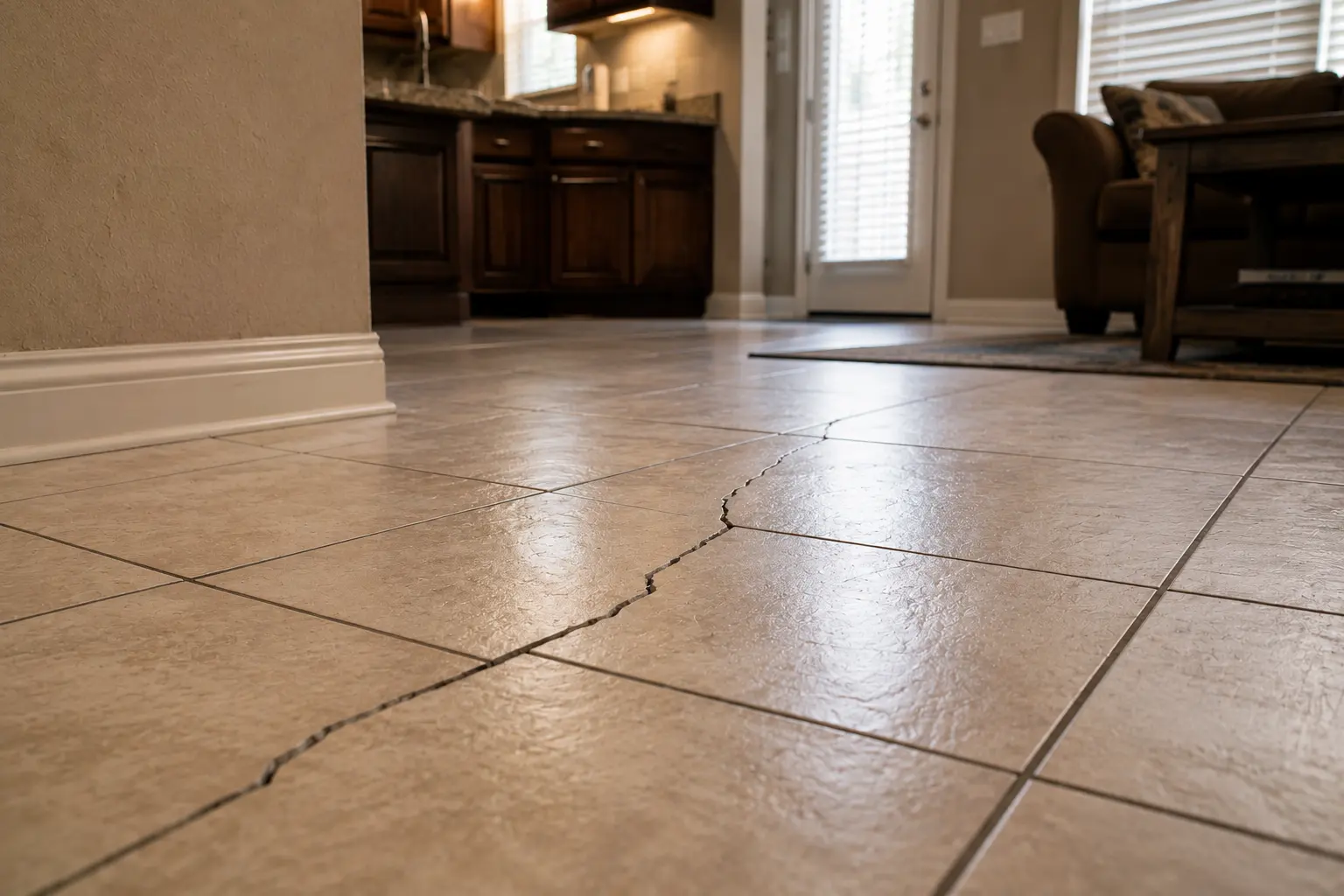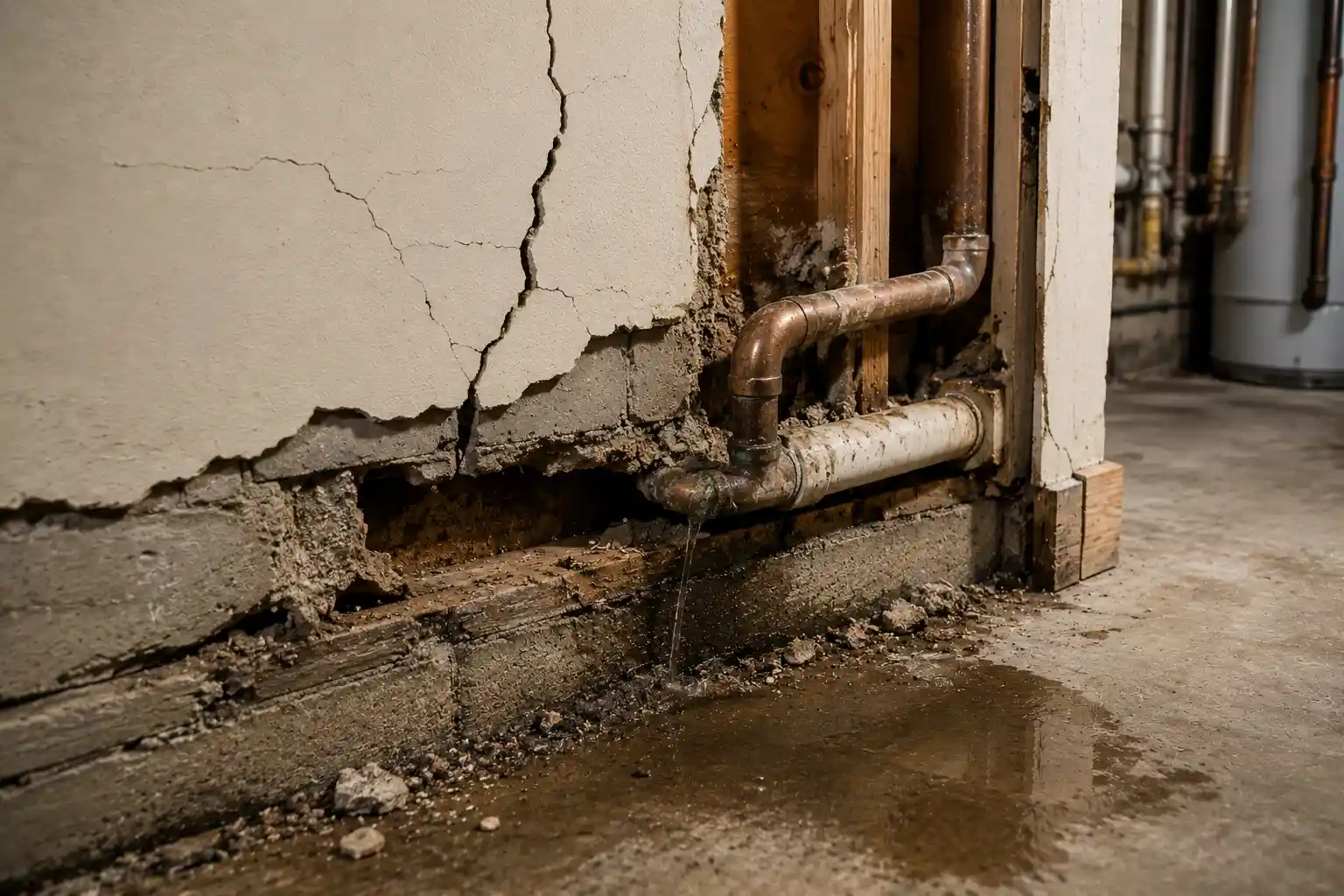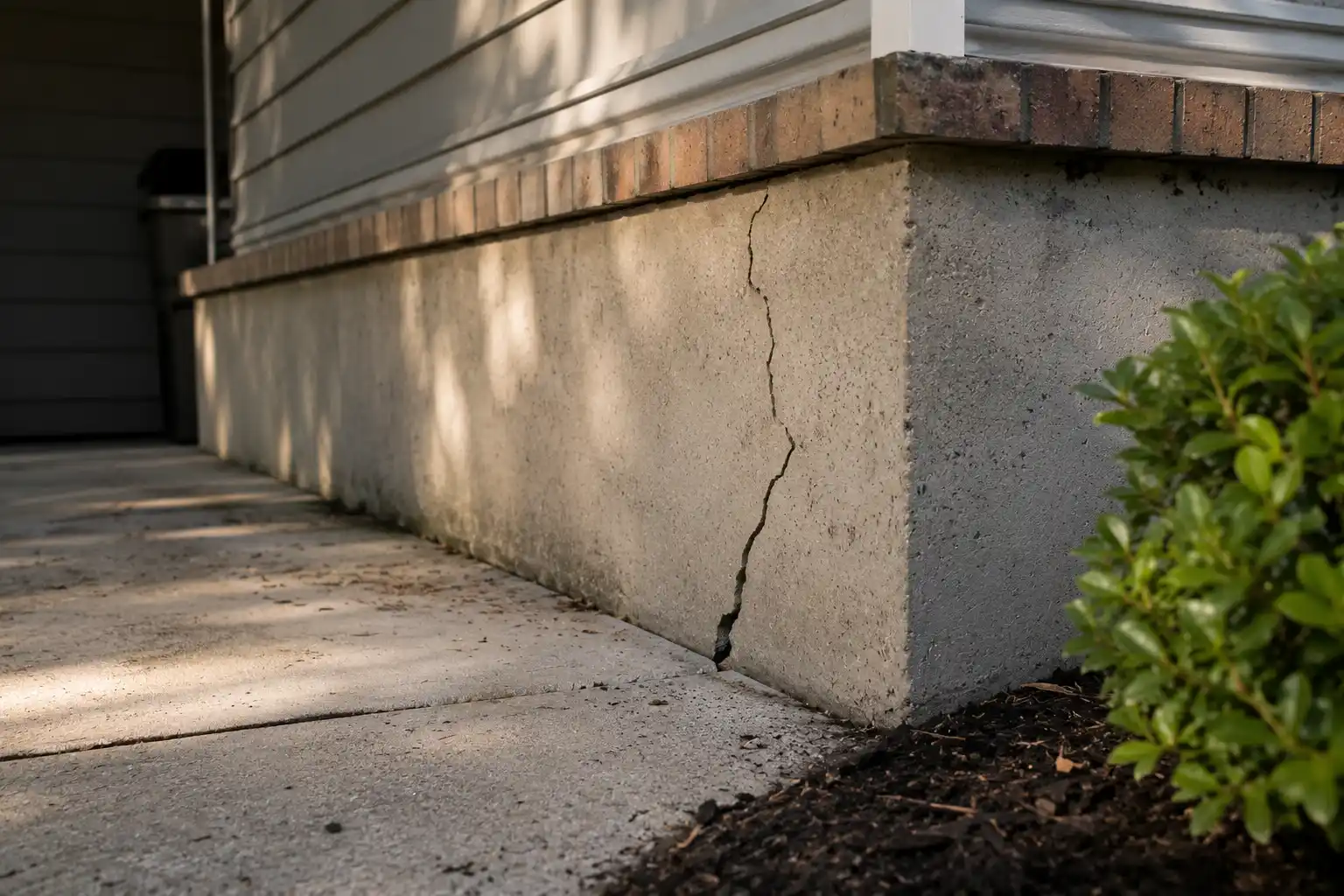
Almost every homeowner notices a crack in the wall at some point.
Sometimes it’s a thin hairline crack above a doorway. Sometimes it appears suddenly near a window or spreads slowly across drywall over several months. Most people ignore it at first because small cracks seem harmless.
But in Louisiana homes, wall cracks can sometimes be early warning signs of foundation movement happening underneath the structure.
That does not mean every crack is dangerous.
Some cracks are completely normal and happen naturally as homes settle and materials expand over time. Others may signal structural stress caused by shifting soil, moisture problems, slab settlement, or weakening support systems beneath the home.
The key is understanding which cracks are cosmetic — and which ones may require professional attention.
Here’s how to tell the difference.
Are Cracks in Walls Normal?
In many cases, yes.
Homes naturally expand, contract, and settle over time. Minor wall cracking is especially common in:
- older homes,
- recently built homes,
- homes exposed to seasonal humidity,
- and houses that experience minor settling.
Louisiana’s climate creates constant moisture and temperature fluctuations, which can cause drywall and framing materials to shift slightly throughout the year.
Small cosmetic cracks may appear because of:
- humidity changes,
- normal settling,
- drywall expansion,
- or seasonal movement.
The concern begins when cracks:
- widen,
- spread,
- return repeatedly,
- or appear alongside other structural symptoms.
What Causes Cracks in Walls?
Wall cracks are often symptoms — not the actual problem itself.
The real cause may involve:
- foundation movement,
- moisture issues,
- structural settling,
- framing stress,
- or shifting support systems beneath the home.
In Louisiana, the most common causes include:
- expanding clay soil,
- heavy rainfall,
- drainage problems,
- flooding,
- high humidity,
- and foundation settlement.
If underlying structural movement is the cause, professional foundation repair services in Louisiana may be needed to correct the issue.
1. Hairline Cracks in Drywall
Hairline cracks are thin surface-level cracks that often appear:
- above doors,
- near windows,
- along ceilings,
- or at drywall seams.
These are usually cosmetic and commonly result from:
- normal settling,
- drywall shrinkage,
- humidity expansion,
- or seasonal movement.
Usually Less Concerning
Hairline cracks are often not structural if they:
- stay small,
- don’t widen,
- don’t spread rapidly,
- and appear alone without other symptoms.
However, if the crack continues growing or reappears after repair, deeper structural movement may be occurring.
2. Stair-Step Cracks in Brick or Walls
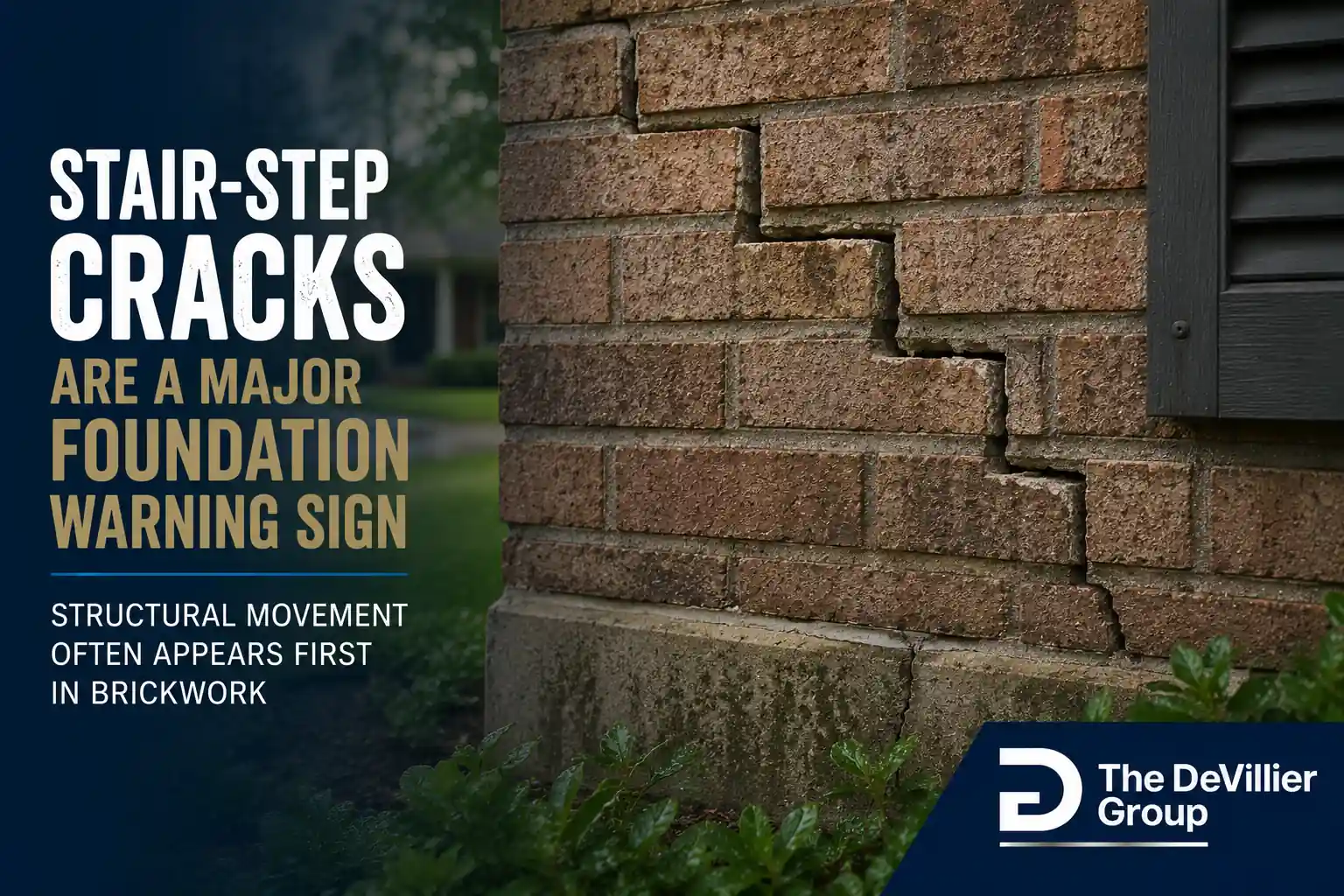
Stair-step cracks are among the most common warning signs of foundation settlement.
These cracks follow mortar lines in a stair-step pattern and often indicate uneven structural movement beneath the home.
Why Stair-Step Cracks Happen
When part of a foundation settles lower than another area, stress transfers upward into:
- brickwork,
- walls,
- framing,
- and exterior masonry.
This movement often creates diagonal or stair-step cracking patterns.
In Louisiana Homes
Louisiana’s shifting clay soil is especially hard on slab foundations and brick homes because moisture constantly changes soil pressure underneath the structure.
Stair-step cracks that worsen over time should never be ignored. They are one of the most common signs your home needs foundation repair.
3. Horizontal Wall Cracks
Horizontal cracks are generally more serious than small vertical cracks.
These cracks may indicate:
- structural pressure,
- wall bowing,
- moisture intrusion,
- or significant foundation stress.
Horizontal cracking sometimes develops when soil pressure pushes against foundation walls or when structural framing begins shifting unevenly.
When Horizontal Cracks Become Concerning
You should take horizontal cracks seriously if they:
- widen,
- extend across large sections,
- leak moisture,
- or appear alongside floor movement and sticking doors.
4. Cracks Around Doors and Windows
Cracks near doors and windows often appear because these areas experience high structural stress.
As the foundation shifts, door and window openings become slightly distorted. This creates pressure that eventually causes cracking nearby.
Common Signs Include
- diagonal cracks from the window corners
- cracking above door frames
- sticking doors nearby
- uneven trim gaps
- windows becoming difficult to open
When doors and windows stop functioning properly alongside cracking, foundation movement becomes more likely.
5. Ceiling Cracks
Ceiling cracks can develop for several reasons.
Minor ceiling seam cracking may simply result from:
- drywall movement,
- humidity,
- or aging materials.
However, larger cracks that:
- spread across ceilings,
- connect to wall cracks,
- or appear suddenly
may indicate structural shifting.
Watch for These Warning Signs
- widening ceiling cracks
- sagging ceiling areas
- multiple connected cracks
- cracking combined with floor movement
These symptoms deserve closer evaluation.
6. Cracks That Keep Returning
One of the biggest warning signs is repeated cracking.
If you patch a crack and it reappears weeks or months later, the underlying movement is likely still active.
Recurring cracks often signal:
- ongoing settlement,
- moisture-related shifting,
- or structural instability beneath the home.
This is especially common when drainage or soil movement problems are not corrected.
When Should You Worry About Wall Cracks?
Not every crack is dangerous.
The real concern comes from:
- crack size,
- location,
- direction,
- and whether multiple symptoms appear together.
Usually Less Concerning
Cracks may simply be cosmetic if they are:
- thin hairline cracks
- isolated
- stable over time
- not widening
- unaccompanied by other structural symptoms
More Serious Warning Signs
You should consider a professional inspection if you notice:
- stair-step brick cracks
- horizontal cracks
- widening cracks
- multiple cracks are appearing suddenly
- uneven floors
- sticking doors or windows
- visible foundation cracks
- moisture intrusion
- sagging ceilings
Multiple symptoms together usually indicate larger structural movement.
Why Louisiana Homes Commonly Develop Wall Cracks
Louisiana homes face environmental conditions that constantly stress foundations and structures.
Expanding Clay Soil
Clay absorbs moisture during rainy periods and shrinks during dry conditions. This constant expansion and contraction move the foundation over time.
Heavy Rainfall and Flooding
Water saturation weakens soil stability and increases settlement risk.
Humidity
Louisiana humidity affects drywall, wood framing, and structural materials year-round.
Poor Drainage
Standing water around the home can slowly destabilize the foundation underneath.
These environmental factors make wall cracking more common throughout Louisiana compared to many other regions.
How Foundation Problems Cause Wall Cracks
When a foundation shifts unevenly, the entire house experiences stress.
That movement transfers upward into:
- walls,
- ceilings,
- windows,
- doors,
- and flooring systems.
Over time, the pressure creates visible cracking as materials struggle to adjust to the changing structure underneath.
This is why cracks often appear alongside:
- uneven floors,
- sticking doors,
- slab separation,
- and structural movement.
Can Wall Cracks Be Repaired?
Yes — but permanent repair depends on fixing the actual cause.
Simply patching drywall without addressing structural movement often leads to cracks returning later.
Common Repair Approaches
Cosmetic Crack Repair
Used for minor settling and drywall movement.
Foundation Stabilization
Used when structural settlement is causing ongoing cracking.
Drainage Correction
Helps reduce future soil movement around the home.
Structural Reinforcement
May involve piers, beams, or framing repairs.
The earlier foundation-related movement is addressed, the less severe the repairs usually become.
How Foundation Professionals Evaluate Cracks
A professional inspection may evaluate:
- crack direction
- crack width
- structural movement
- moisture conditions
- foundation settlement
- crawl-space stability
- drainage patterns
- floor slope
- door/window alignment
In Louisiana homes, inspections often focus heavily on soil moisture and drainage because environmental movement is so common.
Final Thoughts
Cracks in walls are common — but not all cracks are equal.
Some are harmless cosmetic settling. Others may be early warning signs of foundation movement or structural stress developing underneath your home.
In Louisiana, where moisture and shifting soil constantly affect residential foundations, paying attention to worsening cracks can help homeowners catch problems before major structural damage develops.
If wall cracks are growing, spreading, or appearing alongside uneven floors and sticking doors, professional evaluation may help determine whether the issue is cosmetic or structural.
To learn more, explore these 13 possible signs of a bad foundation and our guide to foundation stability signs your home needs leveling support.
FAQs
Are cracks in walls always caused by foundation problems?
No. Small hairline cracks can occur from normal settling or humidity changes, but widening or recurring cracks may indicate foundation movement.
What types of wall cracks are most serious?
Stair-step cracks, horizontal cracks, widening cracks, and cracks combined with uneven floors or sticking doors are often more concerning.
Why do Louisiana homes develop wall cracks?
Louisiana homes are exposed to shifting clay soil, humidity, flooding, and drainage issues that can cause structural movement and wall cracking.
Can wall cracks be repaired permanently?
Yes, but permanent repair depends on addressing the underlying cause, such as foundation settlement or moisture-related movement.
When should I worry about cracks in walls?
You should seek inspection if cracks widen, spread, return repeatedly, or appear alongside uneven floors, sticking doors, or visible foundation damage.