Many homeowners notice the warning signs of foundation problems long before they take action.
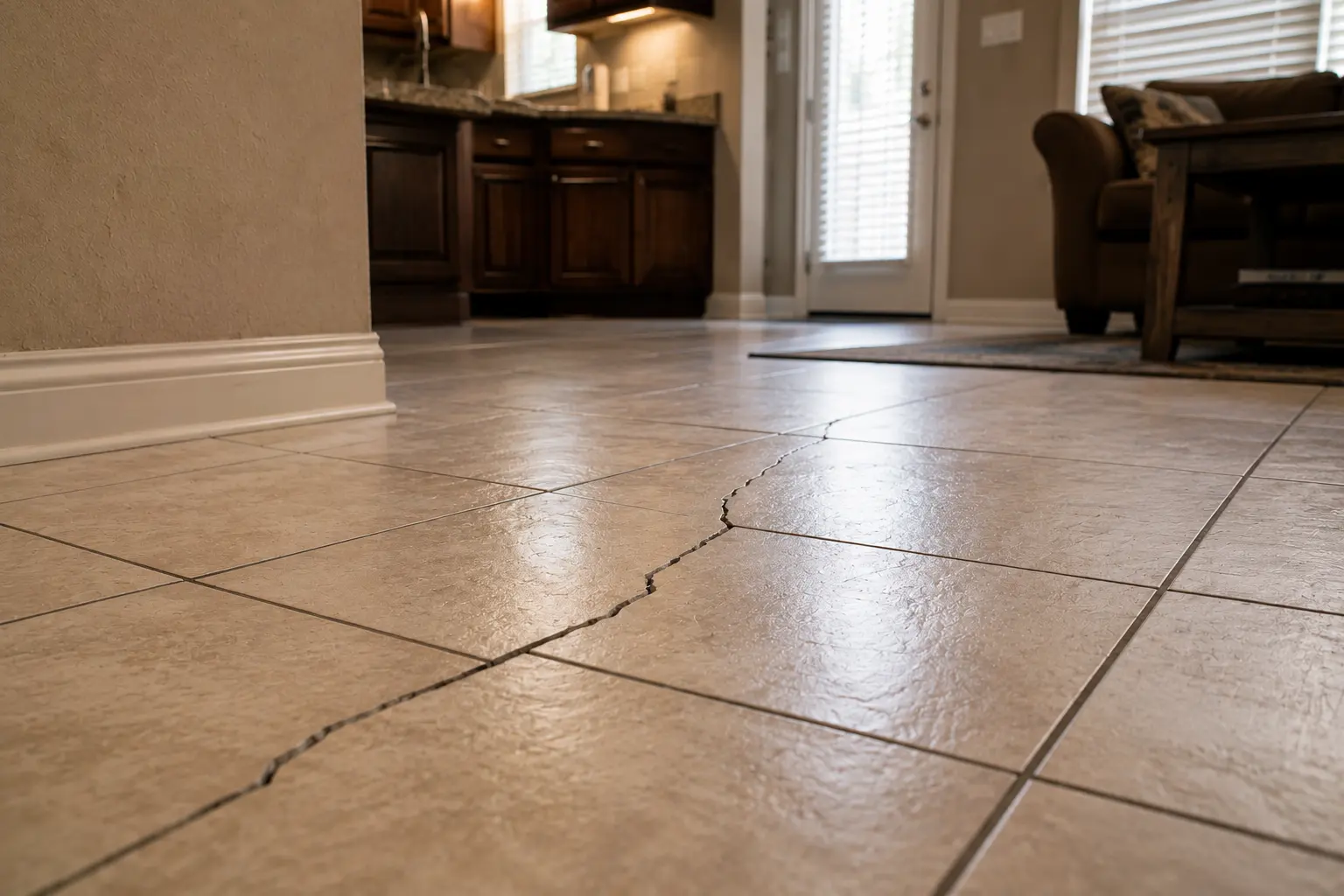
A small crack appears in the wall. One door becomes difficult to close. The floor feels slightly uneven in one room.
At first, the issue doesn’t seem urgent.
The crack is small.
The house still feels stable.
Nothing appears to be falling apart.
So it’s easy to tell yourself:
“I’ll deal with it later.”
Unfortunately, foundation problems rarely stay the same.
In Louisiana, where homes constantly deal with:
- expansive clay soil,
- heavy rainfall,
- flooding,
- humidity,
- and moisture fluctuations,
foundation issues almost always worsen over time.
The question isn’t usually whether the problem will get worse.
The question is:
How much worse — and how expensive it becomes before it’s fixed.
Do Foundation Problems Get Worse Over Time?
In most cases, yes.
Foundations are the structural base supporting the entire home.
When movement begins beneath the structure, every part of the house experiences stress.
As settlement continues, the problem often spreads into:
- walls,
- floors,
- ceilings,
- plumbing systems,
- windows,
- doors,
- and exterior masonry.
The longer movement continues, the larger the repair scope typically becomes.
Year 1: Small Warning Signs Appear
Most foundation issues begin subtly.
You may notice:
- small wall cracks
- minor stair-step brick
- cracks
- sticking doors
- slight floor slope
- trim separation
At this stage, many homeowners assume:
- it’s normal settling,
- humidity,
- or cosmetic aging.
Some problems genuinely are minor.
The challenge is knowing which symptoms are early structural warnings.
Year 2–3: Structural Stress Begins Spreading
As the foundation continues moving, the structure starts adjusting.
Common symptoms include:
Cracks Become Larger
Hairline cracks often:
- widen,
- spread,
- or reappear after repair.
More Doors and Windows Stick
As framing shifts:
- doors stop latching properly,
- windows become harder to open,
- alignment problems increase.
Floors Become More Noticeably Uneven
Settlement underneath the structure begins affecting floor systems throughout the home.
At this stage, many homeowners start realizing the problem isn’t cosmetic.
Year 3–5: Secondary Damage Develops
This is often when repair costs begin increasing significantly.
Foundation movement may start affecting systems that were originally unaffected.
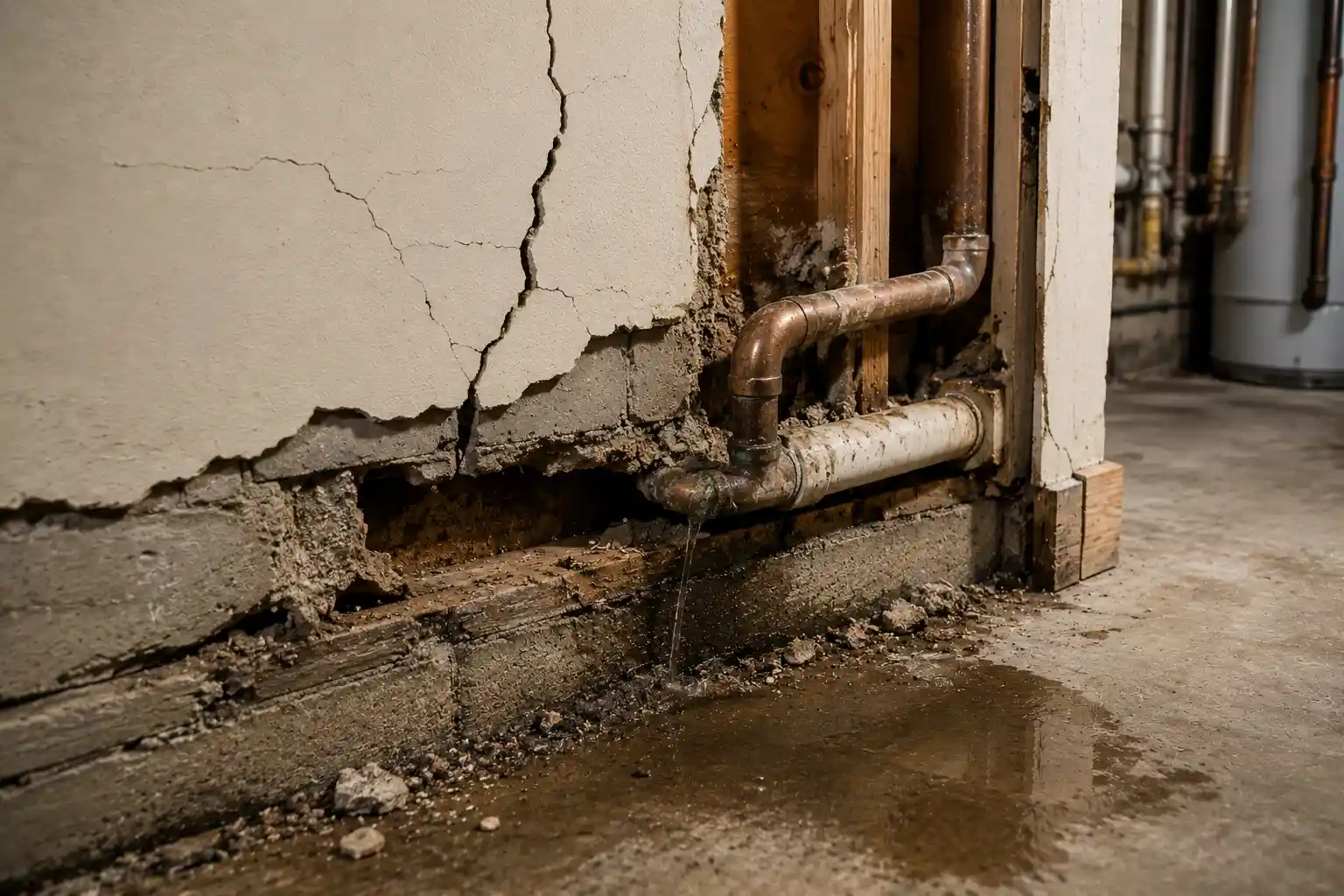
Plumbing Problems Can Develop
In Louisiana slab homes, foundation movement and plumbing problems often become connected.
- pipe separation
- slab leaks
- drainage issues
- sewer line damage
This can contribute to:
As foundations shift, underground plumbing lines may experience stress.
Drywall and Interior Damage Accelerates
Repeated structural movement may create:
- larger cracks
- ceiling separation
- trim gaps
- recurring cosmetic damage
Many homeowners repeatedly repair drywall only to see the cracks return.
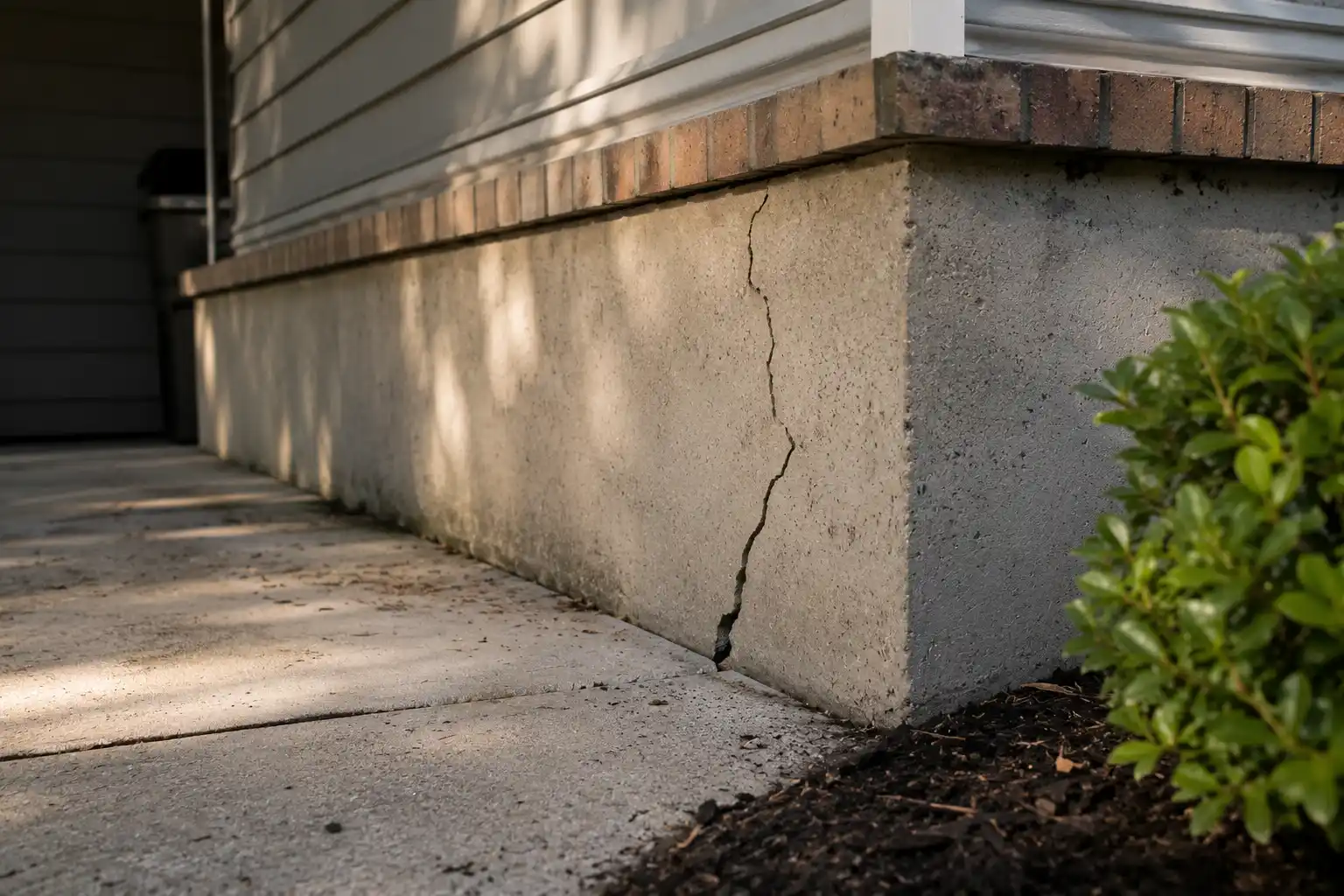
Exterior Brick Damage Worsens
Stair-step cracking often becomes more visible.
Brick separation may begin appearing near:
- windows
- garage openings
- corners
- entryways
Year 5+: Major Structural Consequences
When foundation movement remains active for years, the structural impact often becomes much more expensive.
Significant Floor Movement
You may notice:
- visible floor slope
- sagging areas
- bouncing floors
- uneven transitions between rooms
In many cases, correcting severe settlement may require professional foundation leveling services to restore structural stability and reduce further movement.
Large Structural Cracks
Cracks may:
- widen dramatically
- extend across multiple rooms
- appear in ceilings and walls simultaneously
Porch and Chimney Separation
Heavy structural components often move independently as settlement progresses.
Common symptoms include:
- porch separation
- chimney leaning
- exterior gaps
- visible structural shifting
Home Value Begins Suffering
One of the highest hidden costs of ignoring foundation problems is reduced resale value.
Homebuyers often become concerned when they see:
- structural cracks
- uneven floors
- sticking doors
- visible settlement
Even if the home is otherwise attractive, foundation concerns frequently become negotiation points.
How Foundation Problems Affect Home Value
Most buyers understand that foundation issues can be expensive.
As a result, unresolved structural movement may:
- reduce offers,
- delay sales,
- create inspection concerns,
- or require repair before closing.
In many cases, fixing foundation problems before listing a home improves marketability and buyer confidence.
Why Louisiana Homes Are Especially Vulnerable
Louisiana foundations face environmental conditions that accelerate movement.
– Expansive Clay Soil:
The soil expands when wet and contracts when dry.
This repeated cycle creates ongoing stress beneath the structure.
– Heavy Rainfall:
Excess moisture changes soil stability and support conditions.
– Flooding:
Floodwater can weaken supporting soil and increase settlement risk.
– Humidity:
Moisture affects both structural materials and foundation conditions year-round.
Can Small Foundation Problems Become Major Repairs?
Absolutely.
Many major foundation projects begin with symptoms homeowners initially considered minor.
Examples include:
- one sticking door,
- a small wall crack,
- or slight floor unevenness.
The earlier structural movement is identified, the easier it is to:
- stabilize,
- repair,
- and control costs through appropriate foundation repair solutions.
When Should You Call a Foundation Professional?
You should consider an inspection if you notice:
- widening cracks
- multiple structural symptoms
- uneven floors
- sticking doors
- recurring drywall damage
- visible foundation cracks
- worsening movement after rain
The goal isn’t necessarily to confirm a major problem.
It’s to determine whether movement is active before larger damage develops.
If you’re unsure whether the warning signs indicate active movement, learning how to tell if your foundation is settling can help you recognize common indicators before the damage becomes more severe.
The Most Expensive Foundation Repair Is Usually the One Delayed
Foundation issues rarely improve without intervention.
Small problems often remain relatively manageable.
Large problems usually involve:
- more repairs,
- more systems affected,
- and greater structural correction.
The longer movement continues, the more opportunities it has to affect the rest of the home.
Is Foundation Settlement Always Serious?
Not necessarily.
Most homes experience some degree of settling throughout their lifespan.
The concern arises when settlement becomes:
- uneven,
- progressive,
- or structurally significant.
Usually Less Concerning
- small stable cracks
- minor cosmetic settling
- isolated symptoms
More Serious Warning Signs
- multiple symptoms appearing together
- worsening cracks
- sloping floors
- sticking doors
- visible structural movement
The more symptoms present, the more likely settlement is affecting the home.
Final Thoughts
Ignoring foundation problems doesn’t always create immediate disaster.
What it usually creates is gradual escalation.
A small crack becomes a larger crack.
A sticking door becomes structural movement.
A minor repair becomes a larger project.
For Louisiana homeowners, early action is often the difference between addressing a manageable foundation issue and dealing with years of accumulating structural damage.
If you’ve noticed signs of foundation movement, contact our team to schedule a professional evaluation and discuss the best solution for your home.