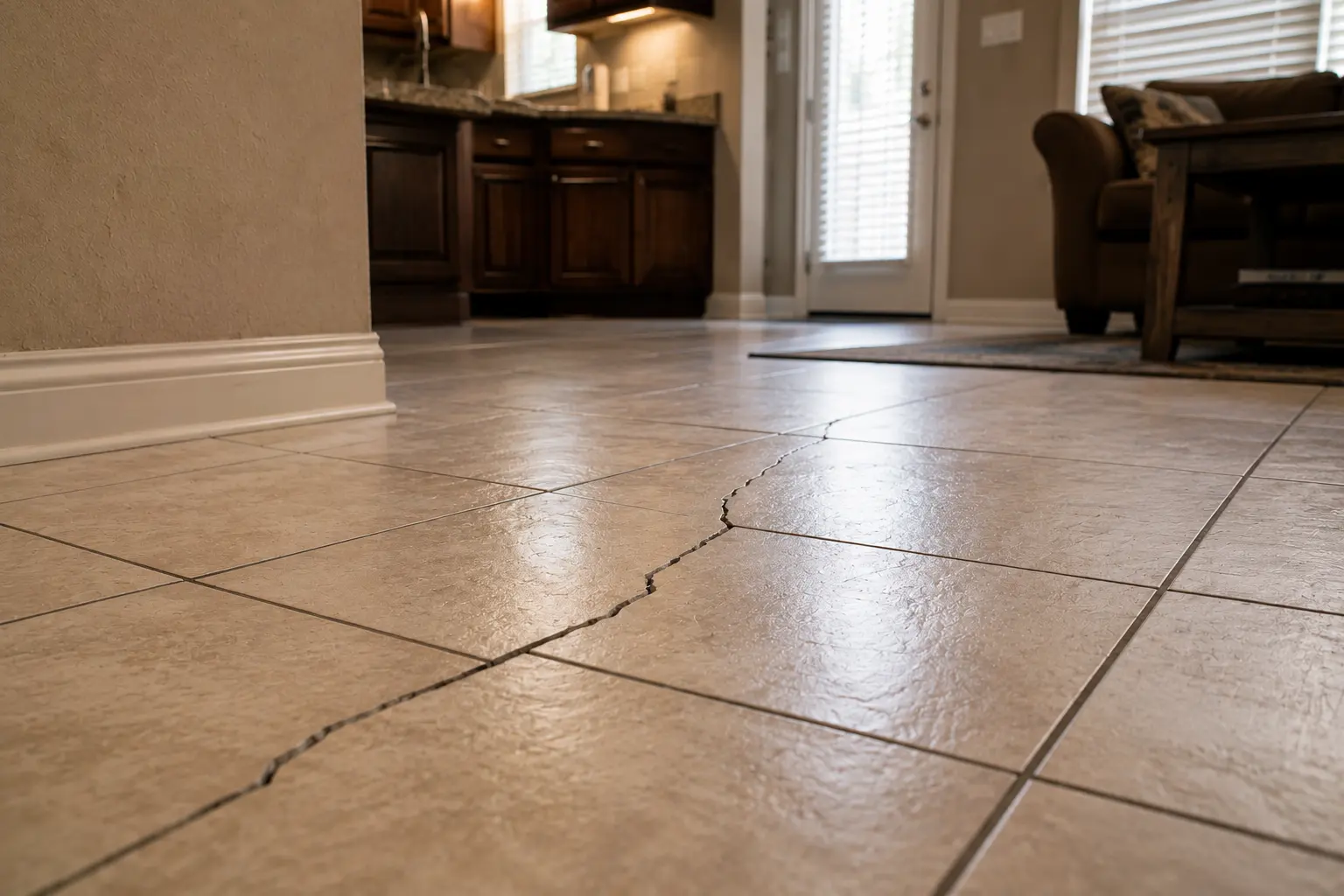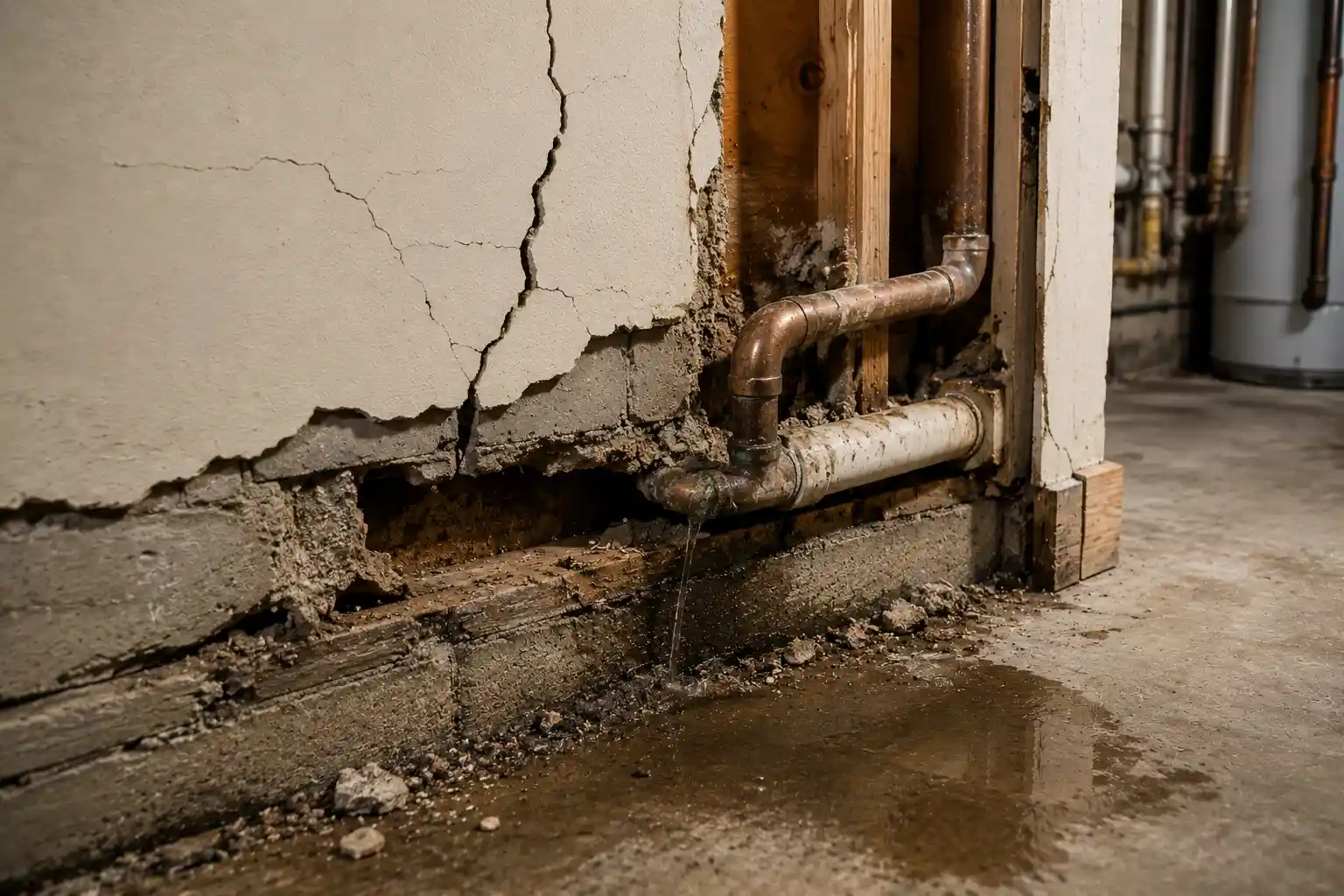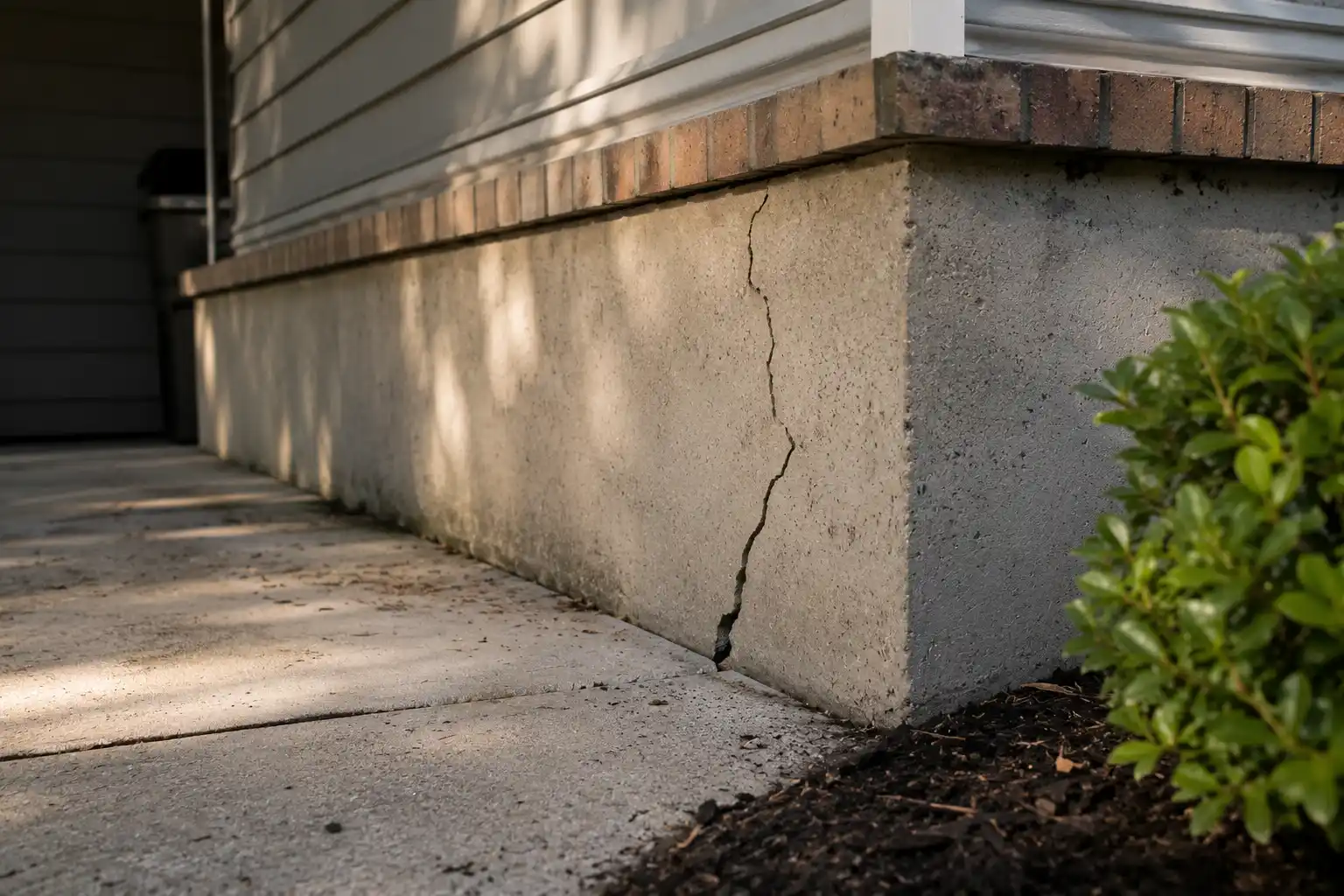
Many Louisiana homeowners notice the same unsettling pattern.
After several days of heavy rain, new cracks suddenly appear in the walls. Existing cracks become wider. Doors start sticking. Floors feel slightly uneven. Sometimes the changes seem to happen almost overnight.
It’s easy to assume the rain itself damaged the house.
But in most cases, the real issue is what happens underneath the home when the soil becomes oversaturated.
In Louisiana, heavy rainfall can dramatically affect the ground supporting your foundation. As moisture levels change, the soil beneath the structure expands, shifts, softens, and moves. That movement creates pressure throughout the home, eventually leading to visible cracking in:
- drywall,
- ceilings,
- brickwork,
- door frames,
- and foundations.
Here’s why wall cracks often appear after storms, what types of cracks may indicate structural movement, and when homeowners should take the warning signs seriously.
Why Does Heavy Rain Cause Wall Cracks?
Rain itself usually does not crack the walls directly.
The problem begins beneath the home.
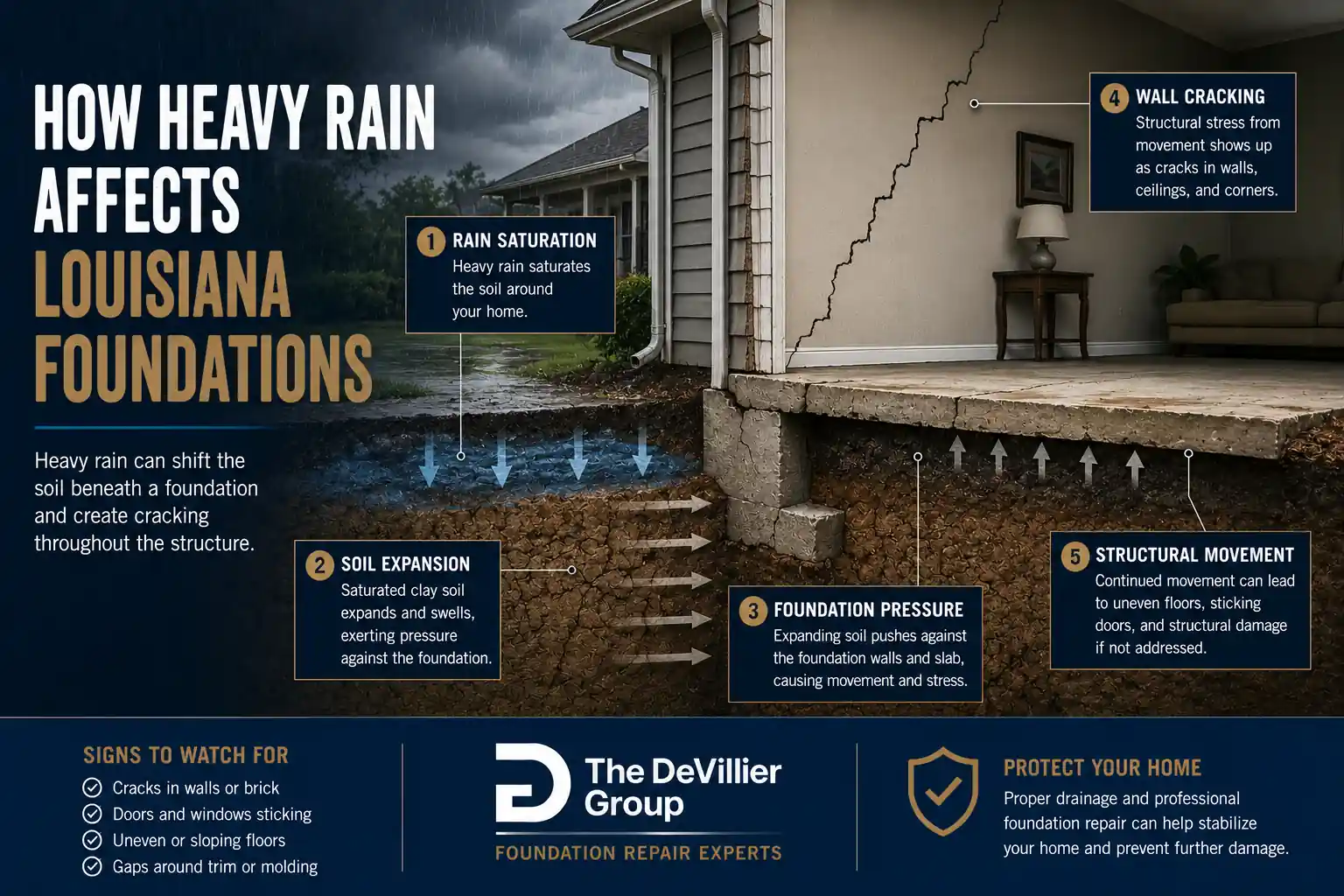
During heavy rainfall, soil around the foundation absorbs moisture rapidly. In Louisiana’s clay-heavy soil conditions, this moisture changes the stability and pressure beneath the structure.
As the ground shifts, parts of the foundation may:
- rise,
- settle,
- expand,
- or move unevenly.
That movement transfers upward into:
- walls,
- ceilings,
- floors,
- windows,
- and door openings.
The result is often visible cracking inside the home.
Why Louisiana Homes Are Especially Vulnerable
Louisiana homes experience more moisture-related foundation movement than many other regions because of:
- expansive clay soil,
- high humidity,
- frequent storms,
- flooding,
- and poor drainage conditions.
The soil beneath homes constantly changes depending on moisture levels.
During Heavy Rain
The ground absorbs water and expands.
During Dry Periods
The soil shrinks and contracts.
Over time, this repeated expansion-and-shrink cycle creates structural stress beneath the foundation.
That’s why many Louisiana homeowners notice:
- cracks worsening after storms,
- doors sticking during rainy seasons,
- and floor movement after heavy rainfall.
1. Expanding Clay Soil Beneath the Foundation
One of the biggest causes of rain-related wall cracks is expansive clay soil.
Clay behaves like a sponge. When saturated, it swells and pushes upward against portions of the foundation.
This uneven pressure creates structural movement that eventually appears as:
- drywall cracks,
- stair-step brick cracks,
- ceiling separation,
- or frame distortion.
Common Signs of Soil Expansion
- new wall cracks after storms
- widening existing cracks
- doors suddenly sticking
- visible floor movement
- foundation shifting near corners
Because Louisiana experiences frequent moisture changes, soil movement becomes an ongoing structural issue for many homes. If symptoms continue, homeowners often need foundation repair.
2. Poor Drainage Around the Home
Drainage problems are one of the most overlooked causes of foundation stress.
If rainwater cannot properly flow away from the structure, moisture builds up around the foundation perimeter.
This oversaturated soil may:
- weaken support conditions,
- create uneven settlement,
- increase hydrostatic pressure,
- and destabilize the ground beneath the home.
Common Drainage Problems
- clogged gutters
- short downspouts
- improper grading
- standing water near foundation
- pooling water after storms
Over time, poor drainage dramatically increases the risk of structural movement and cracking.
3. Foundation Settlement After Rain
Heavy rain can sometimes trigger settlement in weakened soil conditions.
When oversaturated soil softens underneath the home, portions of the structure may begin sinking unevenly.
This movement often creates:
- diagonal wall cracks,
- stair-step brick cracks,
- and cracks around doors and windows.
Signs Rainfall May Be Triggering Settlement
- cracks worsen after storms
- floors feel uneven after rain
- doors stop closing properly
- cracks reopen after repair
- new separation appears near trim
Repeated movement after storms often signals deeper structural instability.
4. Hydrostatic Pressure Against Foundation Walls
In some homes, heavy rainfall increases hydrostatic pressure around the foundation.
Hydrostatic pressure occurs when water-saturated soil pushes against basement or foundation walls.
This pressure may eventually cause:
- horizontal cracking,
- bowing walls,
- moisture intrusion,
- or structural shifting.
Although basements are less common in Louisiana, hydrostatic pressure can still affect certain foundation systems and retaining structures.
5. Crawl Space Moisture Problems
In raised Louisiana homes, rain-related moisture often affects crawl spaces beneath the structure.
Excess moisture can weaken:
- floor joists,
- beams,
- support piers,
- and framing systems.
As supports weaken, structural movement may begin spreading upward into walls and ceilings.
Common Crawl Space Warning Signs
- musty odors
- sagging floors
- soft flooring
- wall cracking
- moisture buildup
- wood deterioration
Long-term crawl-space moisture problems are a major contributor to settlement in older Louisiana homes.
6. Cracks Around Doors and Windows After Rain
Many homeowners notice cracks forming specifically near:
- windows,
- door frames,
- and corners.
These areas experience concentrated structural stress when the foundation shifts.
As the home moves unevenly, pressure builds around openings in the structure, eventually creating diagonal or spreading cracks.
Common Symptoms
- diagonal corner cracks
- sticking doors
- uneven trim gaps
- windows difficult to open
- widening cracks after storms
When multiple symptoms appear together, structural movement becomes more likely.
Which Types of Wall Cracks Are Most Concerning?
Not every crack after rain means serious structural damage.
Some small hairline cracks may simply reflect normal expansion and contraction.
The concern increases when cracks:
- widen,
- spread,
- or repeatedly return after repair.
Usually Less Concerning
- thin hairline drywall cracks
- isolated cosmetic cracking
- stable non-growing cracks
More Serious Warning Signs
- stair-step brick cracks
- horizontal wall cracks
- widening cracks
- repeated recurring cracks
- cracks with floor movement
- sticking doors and windows
- visible foundation separation
Multiple symptoms together usually indicate larger structural stress beneath the home. Homeowners concerned about worsening damage may also want to review these warning signs for cracks in walls.
Why Cracks Often Return After Repair
Many homeowners patch cracks only to see them return months later.
This happens because cosmetic repair does not stop the underlying structural movement causing the crack.
If:
- soil continues shifting,
- moisture remains uncontrolled,
- or foundation settlement worsens,
the structural pressure simply recreates the crack over time.
Permanent repair usually requires addressing:
- drainage
- foundation stability
- soil movement
- or structural support problems underneath the home.
Can Heavy Rain Permanently Damage a Foundation?
Repeated moisture exposure absolutely can contribute to long-term structural damage.
Over time, uncontrolled water conditions may cause:
- foundation settlement
- soil erosion
- slab movement
- pier shifting
- or crawl-space deterioration
Louisiana homes exposed to years of moisture cycling are especially vulnerable if drainage systems are poor or foundation movement already exists. Homeowners researching long-term structural risks can also explore this guide on possible signs of a bad foundation.
How to Help Prevent Rain-Related Wall Cracks
Homeowners can reduce structural stress by:
- improving drainage
- extending downspouts away from the home
- keeping gutters clean
- preventing standing water
- monitoring crawl-space moisture
- and addressing early foundation symptoms quickly
Even small drainage improvements can significantly reduce long-term settlement risk.
When Should You Call a Foundation Professional?
You should consider professional evaluation if:
- cracks worsen after storms
- doors suddenly stick
- floors feel uneven
- cracks repeatedly return
- visible foundation movement appears
In Louisiana, structural movement often develops gradually. Catching problems early usually helps reduce repair severity and long-term costs. If you suspect deeper structural movement, scheduling a professional foundation inspection consultation can help identify the underlying cause before the damage worsens.
Final Thoughts
Heavy rain doesn’t usually crack walls directly — but it can trigger soil movement and structural stress beneath the home.
In Louisiana, where clay soil, humidity, flooding, and moisture exposure constantly affect foundations, wall cracks after storms are often connected to:
- soil expansion,
- drainage problems
- settlement
- or foundation movement
Some cracks are harmless cosmetic settling. Others may be early warning signs of deeper structural instability developing underneath the house.
Understanding the difference can help homeowners protect their homes before more serious damage develops.
FAQs
Why do cracks appear in walls after heavy rain?
Heavy rain changes soil moisture beneath the home, causing expansion, settlement, or structural movement that can create wall cracks.
Can rain cause foundation problems in Louisiana?
Yes. Louisiana’s clay-heavy soil expands when wet and contracts when dry, which can destabilize foundations over time.
Are wall cracks after rain always serious?
Not always. Small hairline cracks may be cosmetic, but widening or recurring cracks combined with sticking doors or uneven floors may indicate structural movement.
How do I stop wall cracks caused by rain?
Improving drainage, controlling moisture around the foundation, and addressing structural movement early can help prevent recurring cracks.
When should I worry about wall cracks after storms?
You should seek professional evaluation if cracks widen, repeatedly return, or appear alongside uneven floors, sticking doors, or visible settlement.