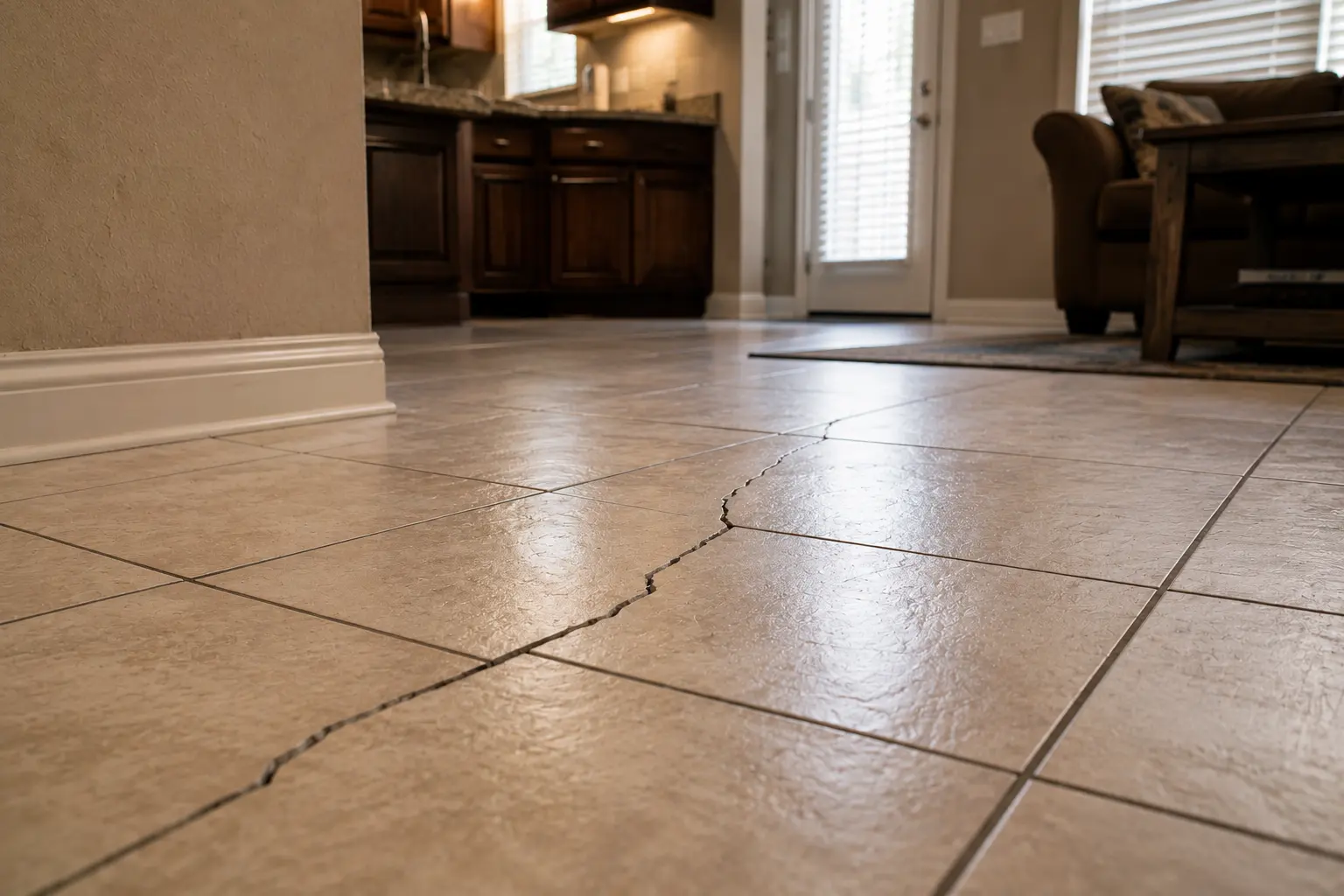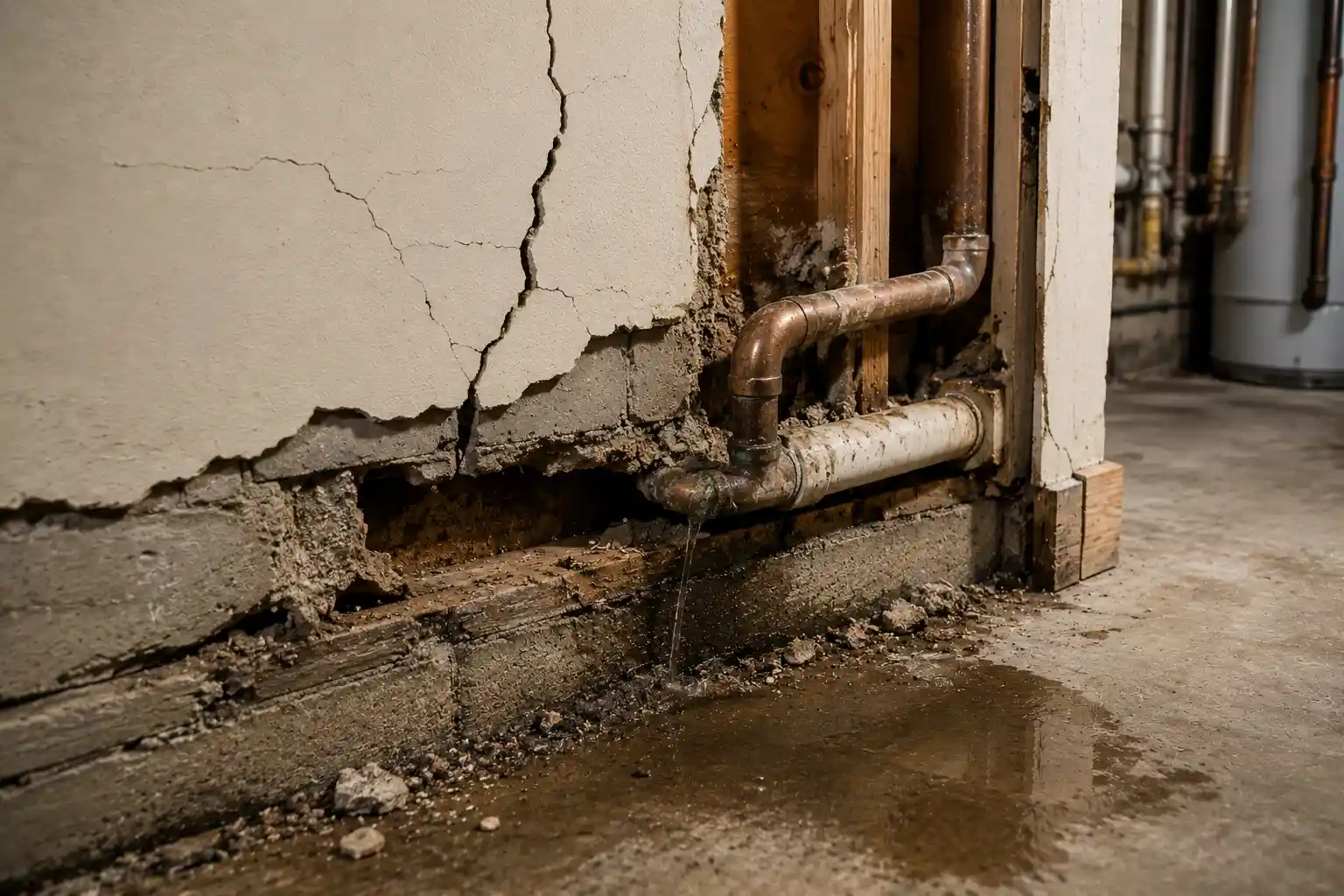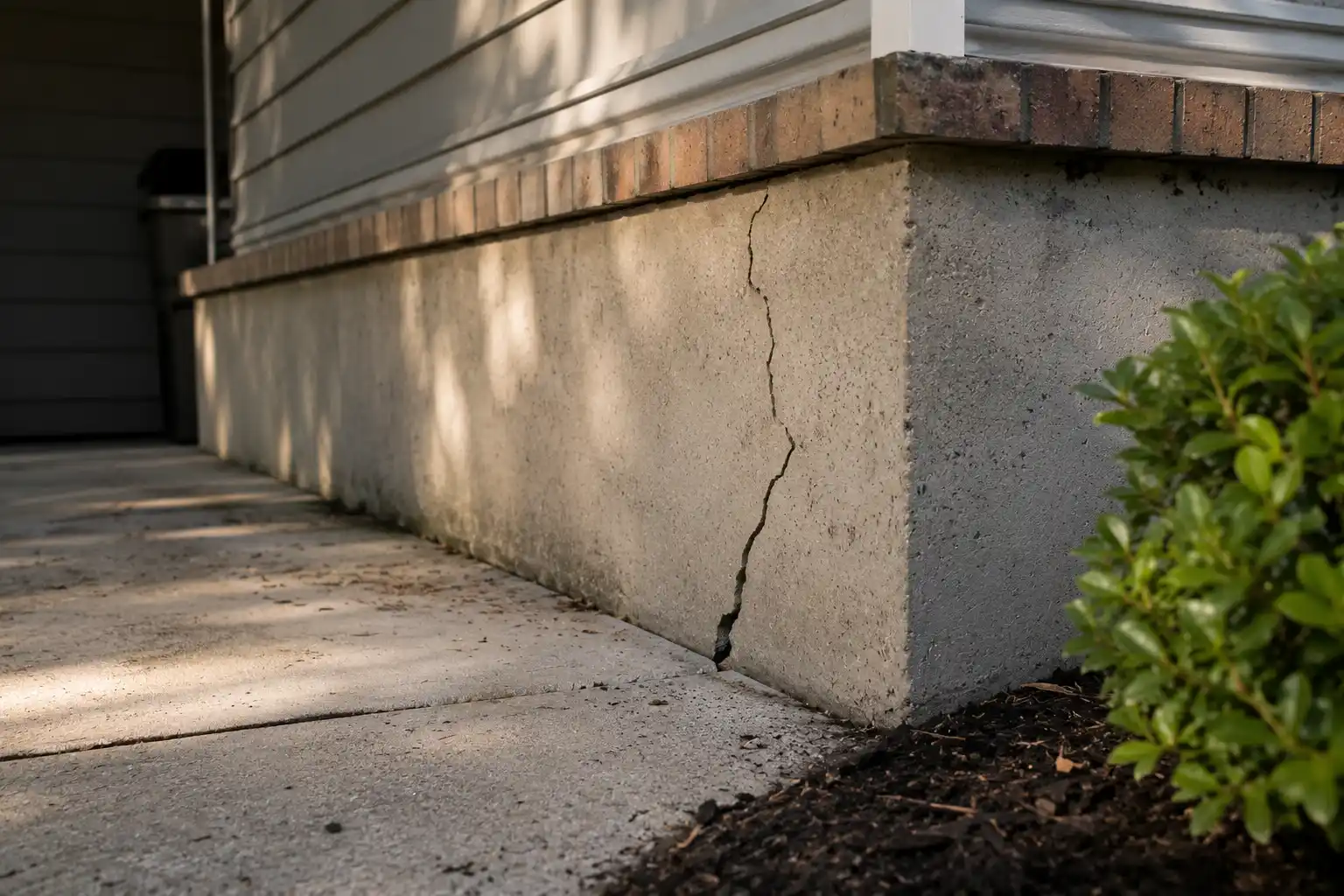
A floor that feels soft, bouncy, or sagging underfoot can be unsettling.
At first, it may feel subtle — a slight dip near the hallway, movement beneath your feet when walking across a room, or a section of flooring that seems weaker than the rest of the house. Over time, the movement may become more noticeable. Furniture may wobble. Floors may creak more often. Certain areas may begin visibly sagging.
Many homeowners assume the issue is simply caused by an older home.
Sometimes that’s true.
But in Louisiana homes, bouncing or sagging floors can also indicate:
- weakened structural supports,
- crawl-space moisture damage,
- foundation settlement,
- or shifting support systems beneath the home.
Because Louisiana homes constantly deal with:
- humidity,
- flooding,
- moisture exposure,
- and expanding clay soil,
floor support systems are under constant environmental stress.
Here’s what causes bouncing or sagging floors, how serious the problem may be, and when structural inspection becomes important.
What Does a Bouncing or Sagging Floor Mean?
A floor may feel:
- soft,
- springy,
- unstable,
- uneven,
- or visibly lower in certain areas.
These symptoms usually indicate that something underneath the flooring system is no longer fully stable or properly supported.
The issue may involve:
- weakened floor joists,
- shifting support beams,
- moisture damage,
- foundation movement,
- or crawl-space deterioration.
In many Louisiana homes, the cause develops slowly over time.
Are Sagging Floors Always a Foundation Problem?
Not always.
Some floor movement may result from:
- aging framing materials,
- minor settling,
- or isolated support issues.
However, worsening sagging or widespread bouncing often signals structural deterioration beneath the home.
Foundation involvement becomes more likely when sagging floors appear alongside:
- wall cracks
- sticking doors
- uneven floor slope
- or visible settlement symptoms.
1. Weak or Damaged Floor Joists
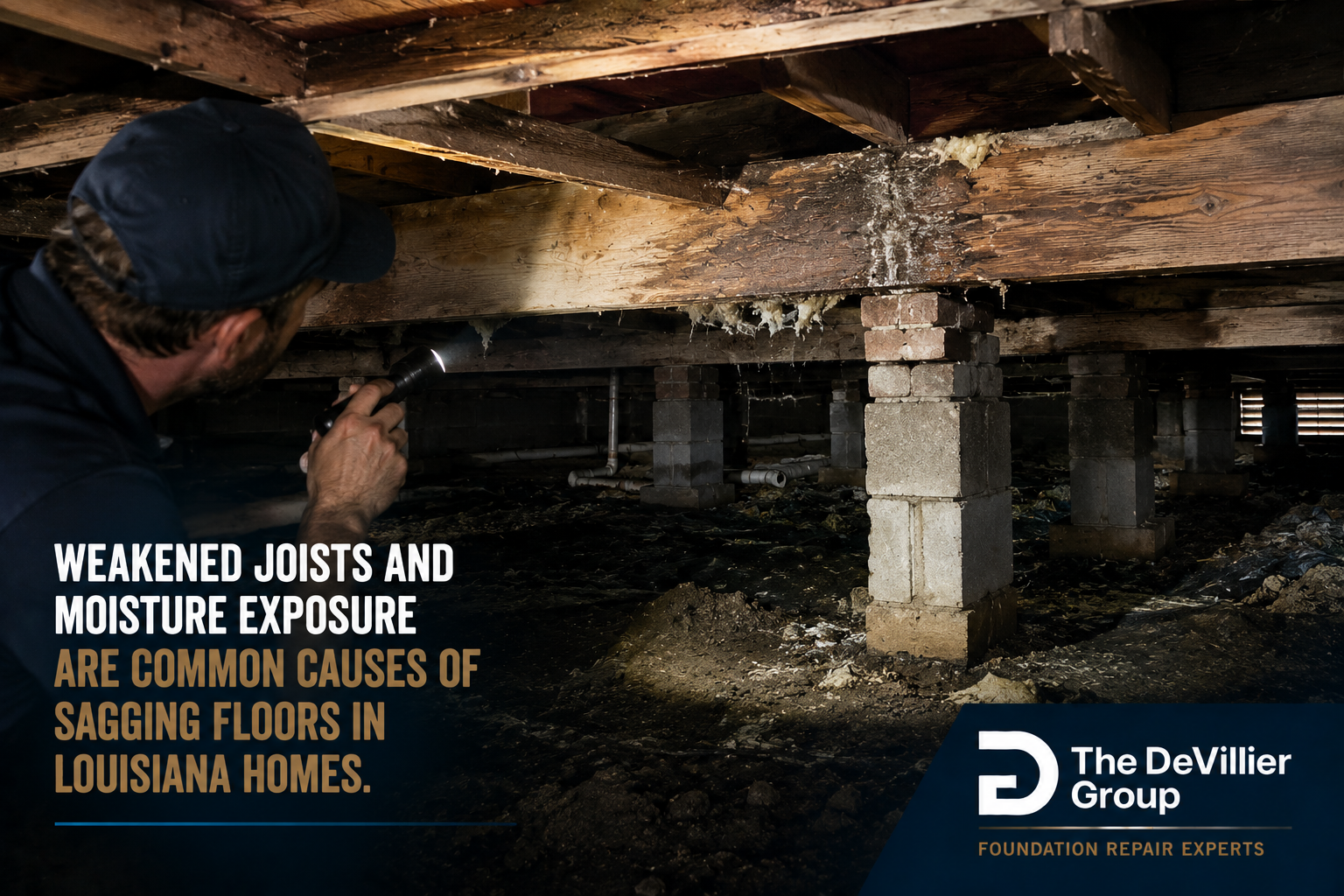
One of the most common causes of sagging floors is weakened floor joists.
Floor joists are structural framing members supporting the flooring system underneath the home.
Over time, joists may weaken because of:
- moisture exposure,
- wood rot,
- termite damage,
- or aging structural stress.
As the joists lose strength, the floor above begins sagging or bouncing under pressure.
Common Signs of Weak Floor Joists
- springy flooring
- soft spots
- creaking sounds
- visible floor dips
- sagging near heavy furniture
In many cases, the flooring itself is not failing — the support system underneath is.
2. Crawl Space Moisture Damage
Moisture is one of the biggest structural threats to raised Louisiana homes.
Excess humidity beneath the home can weaken:
- beams,
- joists,
- support posts,
- and subfloor systems.
Over time, moisture-related deterioration reduces structural stability and creates floor movement.
Common Crawl Space Warning Signs
- musty odors
- damp wood
- mold growth
- wood rot
- soft flooring
- sagging sections
Because Louisiana homes experience high humidity year-round, crawl-space moisture problems are extremely common throughout the region.
3. Pier and Beam Foundation Movement
Many Louisiana homes use pier and beam foundations.
These systems depend on:
- support piers,
- beams,
- and joists
to keep the home stable above the ground.
Over time, support piers may:
- settle unevenly,
- tilt,
- weaken,
- or shift because of soil movement.
When support points move, portions of the floor system lose stability and begin sagging.
Why Pier and Beam Homes Often Develop Bouncing Floors
Raised homes contain multiple support points underneath the structure. If even one area weakens or shifts, the floor above may begin moving noticeably when walked on.
4. Expanding Clay Soil Beneath the Home
Louisiana’s clay-heavy soil constantly changes with moisture conditions.
During Wet Periods
The soil expands and swells.
During Dry Periods
The soil contracts and loses support strength.
This ongoing movement affects:
- piers,
- support systems,
- and foundation stability.
Over time, structural movement beneath the home may create:
- sagging floors,
- sloping areas,
- or bouncing sections.
This is one reason floor problems often worsen after:
- heavy rain,
- flooding,
- or seasonal weather changes.
5. Water Damage and Plumbing Leaks
Hidden plumbing leaks beneath the home can slowly weaken structural supports over time.
Long-term water exposure may damage:
- joists,
- subfloors,
- support beams,
- and crawl-space framing.
Signs Plumbing Leaks May Be Involved
- localized floor sagging
- moisture smells
- increased humidity beneath home
- mold or mildew
- soft flooring in isolated areas
Water-related structural damage often worsens gradually and may remain hidden for years before becoming obvious.
6. Aging and Structural Fatigue
Some floor sagging occurs naturally in older homes.
Over decades, structural materials experience:
- compression,
- wood movement,
- environmental stress,
- and normal aging.
Minor floor softness in an older Louisiana home may not necessarily indicate severe foundation failure.
The concern increases when:
- movement worsens,
- floors become visibly unstable,
- or additional structural symptoms appear.
7. Termite or Wood-Destroying Insect Damage
Louisiana’s warm, humid climate creates ideal conditions for termites and wood deterioration.
If termites weaken floor supports beneath the home, the floor above may begin:
- sagging,
- bouncing,
- or feeling unstable.
Common Signs of Termite Damage
- hollow-sounding wood
- soft floor areas
- excessive creaking
- visible wood deterioration
- localized floor collapse
Termite damage and moisture damage often occur together in crawl-space environments.
What Sagging Floors Can Feel Like
Homeowners often describe floor movement differently depending on the cause.
Common Descriptions
- “The floor feels springy.”
- “Certain spots bounce when walked on.”
- “The floor dips near the hallway.”
- “Furniture rocks slightly.”
- “The floor feels weaker than before.”
The movement often develops slowly, making it easy to overlook until structural symptoms become more noticeable.
When Should You Worry About Sagging Floors?
Not every soft floor is a structural emergency.
The seriousness depends on:
- how severe the movement is,
- whether it’s worsening,
- and what other symptoms exist nearby.
Usually Less Concerning
- minor stable unevenness
- slight softness in older homes
- isolated aging-related movement
More Serious Structural Warning Signs
- worsening floor sagging
- large soft spots
- widespread bouncing
- uneven floors
- wall cracks
- sticking doors
- visible settlement
- moisture damage beneath home
Multiple symptoms appearing together often indicate deeper structural issues.
How Professionals Diagnose Sagging Floors
A structural inspection may evaluate:
- crawl-space conditions
- moisture exposure
- floor joists
- support beams
- pier stability
- foundation movement
- drainage problems
- termite damage
- structural alignment
In Louisiana homes, inspections often focus heavily on:
- moisture,
- soil movement,
- and crawl-space deterioration
because environmental conditions are major contributors to floor instability.
Can Sagging Floors Be Repaired?
In many cases, yes.
The repair depends on the actual source of movement beneath the home.
Common Repair Solutions
Joist Reinforcement or Replacement
Strengthens weakened floor framing.
Crawl Space Structural Repair
Repairs damaged beams and support systems.
Pier Stabilization
Corrects shifting support points beneath raised homes.
Moisture and Drainage Correction
Reduces future structural deterioration.
Foundation Stabilization
Used when settlement contributes to structural movement.
Early structural repair is usually less expensive than waiting until major deterioration develops.
How to Help Prevent Floor Sagging
Homeowners can reduce structural stress by:
- controlling crawl-space moisture,
- improving drainage,
- repairing leaks quickly,
- monitoring structural changes,
- and scheduling inspections when early symptoms appear.
Preventative maintenance is especially important in Louisiana’s humid climate.
Final Thoughts
Bouncing or sagging floors are often signs that something beneath the home may no longer be fully stable.
In Louisiana homes, floor instability is commonly connected to:
- crawl-space moisture,
- weakened joists,
- pier movement,
- foundation settlement,
- or structural deterioration.
Some minor softness may simply reflect aging materials. But worsening sagging, widespread bouncing, or additional structural symptoms should never be ignored.
Understanding the cause early can help homeowners protect their home’s long-term structural stability before larger repairs become necessary. If concerns continue, it may be wise to schedule an inspection.
FAQs
Why does my floor feel bouncy when I walk on it?
Bouncy floors are often caused by weakened floor joists, moisture damage, pier movement, or structural deterioration beneath the home.
Can moisture cause sagging floors?
Yes. Excess crawl-space moisture can weaken beams, joists, and subfloor systems, causing floors to sag or feel unstable.
Are sagging floors a sign of foundation problems?
They can be. Sagging floors combined with wall cracks, sticking doors, or settlement symptoms may indicate foundation movement.
Can sagging floors be repaired?
Yes. Repairs may include joist reinforcement, crawl-space repair, pier stabilization, drainage correction, or foundation stabilization.
Should I worry about soft spots in my floor?
Soft spots may indicate weakened structural supports, moisture damage, or deterioration beneath the flooring system and should be inspected if worsening.