Many Louisiana homeowners first notice something feels wrong long before they understand the actual problem.
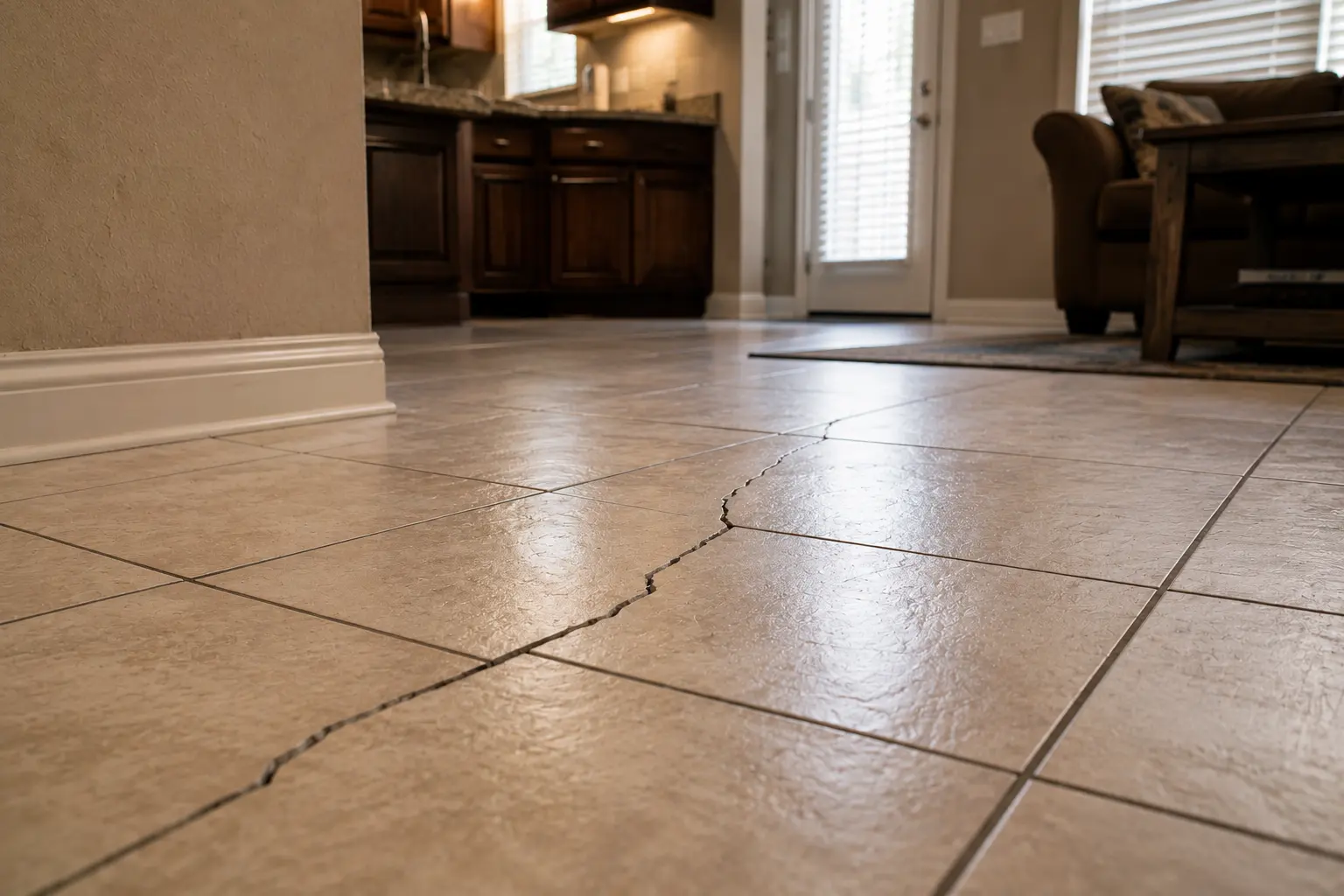
Maybe the floors begin sloping slightly. Doors stop closing properly. Cracks appear near windows or ceilings. A porch starts separating from the house. Over time, it becomes clear that part of the home may actually be sinking.
House settlement is one of the most common structural issues affecting homes across Louisiana. Because of the region’s soil conditions, moisture exposure, flooding history, and climate, homes throughout the state constantly deal with movement beneath the foundation.
But houses rarely “sink” all at once.
In most cases, structural movement develops slowly over years as soil weakens, moisture changes destabilize the ground, or support systems underneath the structure begin shifting.
Understanding what causes homes to sink can help homeowners identify warning signs early and prevent more severe structural damage later.
What Does It Mean When a House Is “Sinking”?
When people say a house is sinking, they usually mean that part of the foundation is settling unevenly into the ground.
This movement may affect:
- slab foundations,
- pier and beam systems,
- crawl spaces,
- porches,
- or structural support areas beneath the home.
As the structure shifts downward, pressure transfers upward into:
- walls,
- floors,
- ceilings,
- windows,
- and door frames.
This creates many of the visible warning signs homeowners notice inside the house.
Why Louisiana Homes Commonly Experience Settlement
Louisiana’s environment creates constant structural stress beneath homes.
The combination of:
- clay-heavy soil,
- high humidity,
- heavy rainfall,
- flooding,
- poor drainage,
- and moisture fluctuations
makes foundation movement far more common than in many other regions.
Even properly built homes may eventually experience some degree of settlement over time.
The key issue is whether the movement remains minor — or becomes structurally significant.
1. Expanding and Shrinking Clay Soil
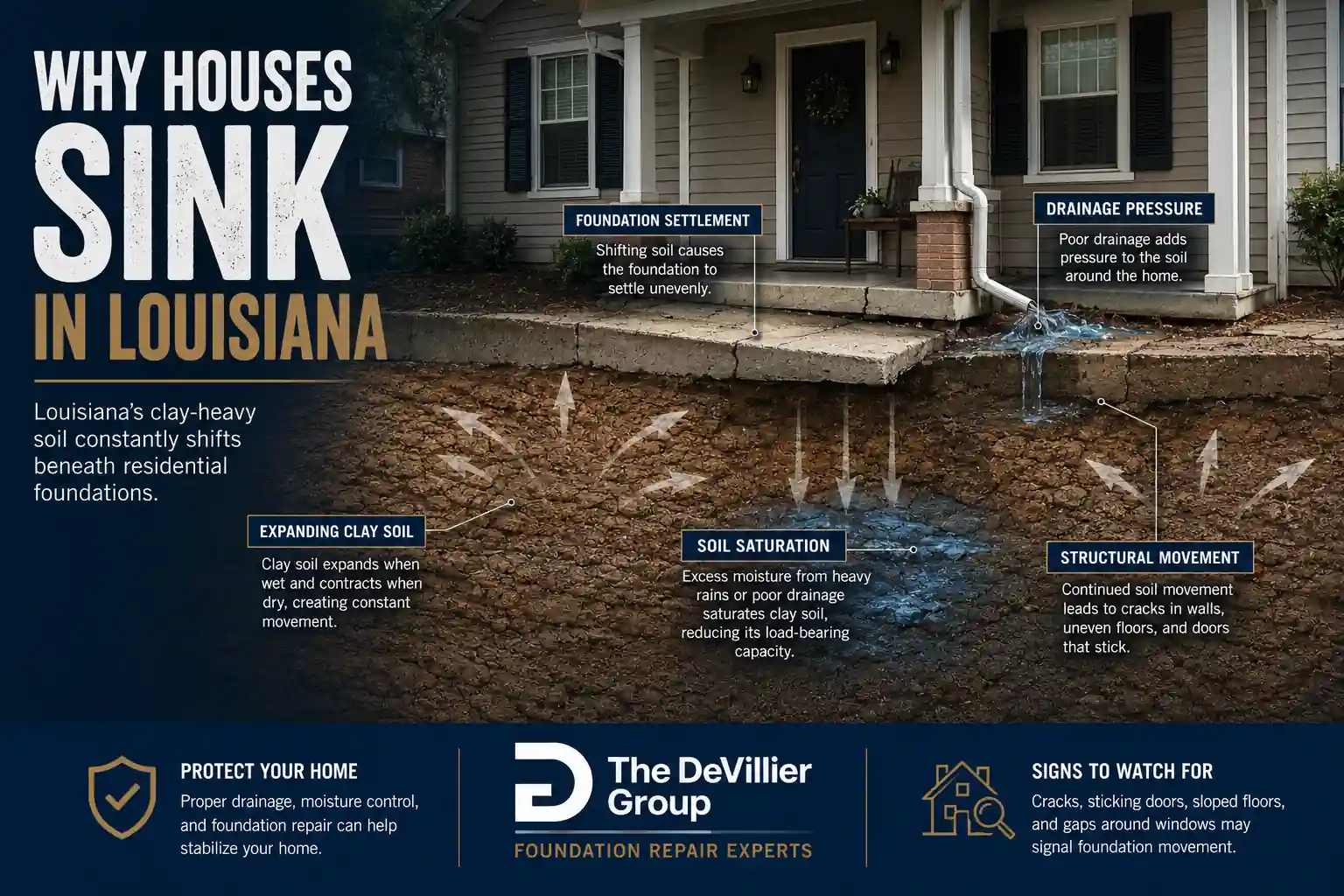
One of the biggest causes of sinking homes in Louisiana is expansive clay soil.
Clay behaves differently depending on moisture levels.
During Wet Periods
The soil absorbs water and expands.
During Dry Periods
The soil shrinks and contracts.
This constant cycle of expansion and contraction creates ongoing movement beneath foundations.
Over time, sections of the home may:
- settle unevenly,
- shift,
- or lose structural support.
Why This Causes Problems
Foundations rely on stable soil beneath them. When the ground repeatedly moves, pressure changes underneath the structure eventually create settlement and structural stress.
This is one of the primary reasons Louisiana homes commonly develop:
- wall cracks,
- sloping floors,
- sticking doors,
- and foundation separation.
2. Poor Drainage Around the Home
Water is one of the biggest threats to foundation stability.
When rainwater does not drain properly away from the structure, the soil around the foundation becomes oversaturated.
This can cause:
- soil erosion,
- weakening beneath the slab,
- uneven settlement,
- and structural shifting.
Common Drainage Problems
- standing water near foundation
- clogged gutters
- poor grading
- downspouts draining too close to the house
- soggy soil after storms
Over time, unstable moisture conditions beneath the home increase settlement risk significantly.
3. Flooding and Long-Term Moisture Exposure
Louisiana homes regularly experience:
- storms,
- flooding,
- heavy rainfall,
- and prolonged humidity.
Repeated water exposure weakens soil stability underneath foundations over time.
Flood-Related Settlement
After flooding events, soil may:
- compact unevenly,
- erode,
- soften,
- or shift beneath the structure.
This movement can create long-term foundation instability long after visible floodwater disappears.
Homes in flood-prone areas are especially vulnerable to ongoing structural settlement.
4. Weak or Deteriorating Support Systems
In pier-and-beam homes, settlement sometimes occurs because support systems underneath the structure weaken over time.
This may involve:
- failing piers,
- rotting beams,
- weakened joists,
- or moisture-damaged framing.
As support systems deteriorate, sections of the floor structure begin sinking gradually.
Common Signs
- sloping floors
- bouncing floors
- sticking doors
- sagging sections
- gaps near trim or ceilings
Older Louisiana homes are especially susceptible because moisture exposure accelerates structural deterioration underneath raised foundations.
5. Soil Erosion Beneath the Foundation
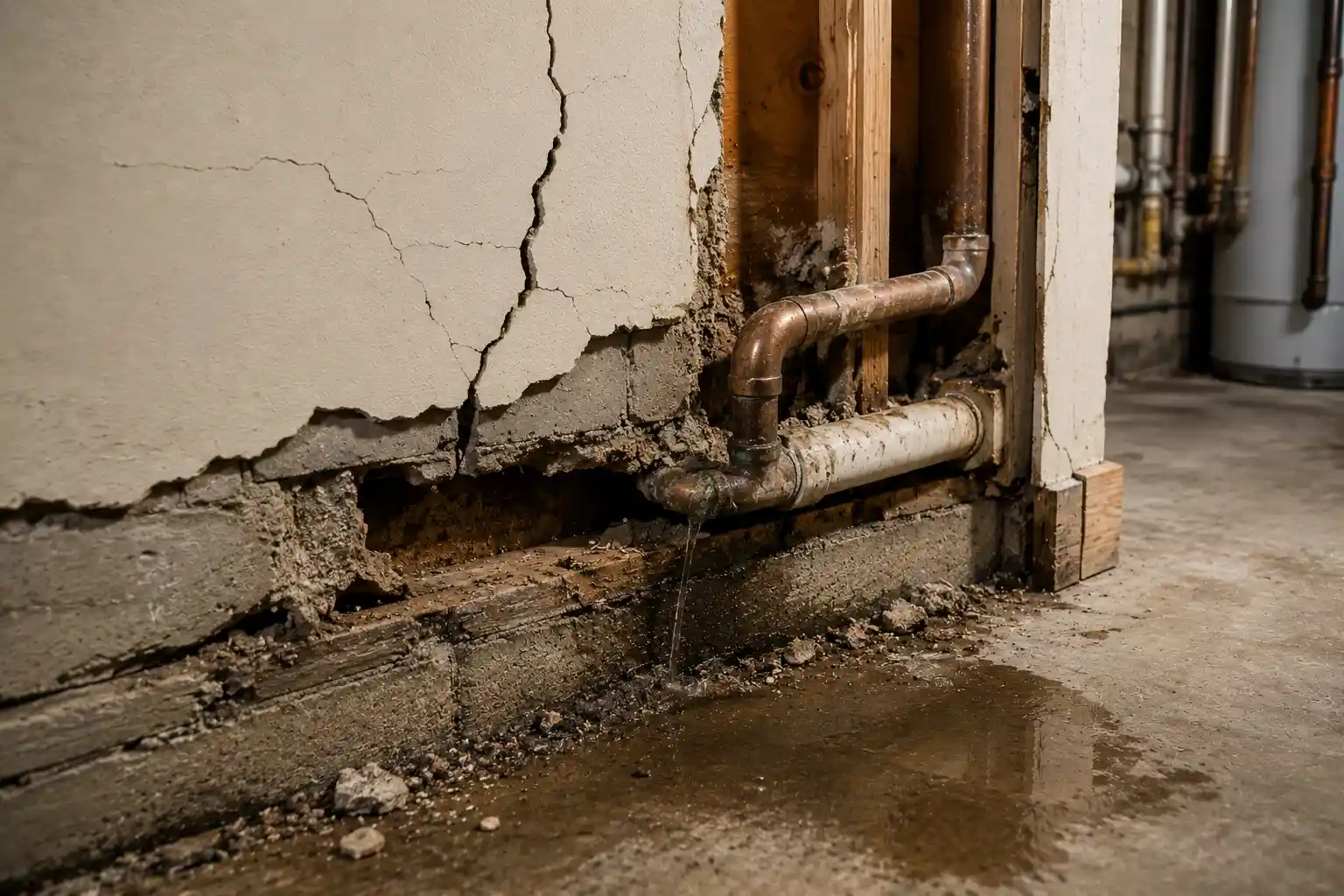
Water movement beneath the home can slowly wash away supporting soil.
This process creates empty spaces or weakened areas beneath the foundation, allowing portions of the structure to sink unevenly.
Causes of Soil Erosion
- plumbing leaks
- underground drainage problems
- poor surface drainage
- floodwater movement
- long-term moisture saturation
Even small voids beneath the slab can eventually create noticeable structural movement.
6. Tree Roots and Moisture Imbalance
Large trees near the home can affect soil moisture conditions dramatically.
Roots pull water from the soil surrounding the foundation, which may cause sections of clay-heavy ground to shrink unevenly.
This creates:
- moisture imbalance,
- differential settlement,
- and uneven structural movement.
Signs Tree Roots May Be Contributing
- settlement near one side of the house
- worsening movement during dry periods
- cracking near exterior walls
- uneven floor slope in isolated areas
Tree-related soil movement is especially common in older neighborhoods with mature landscaping.
7. Aging Foundations and Natural Settlement
Some degree of settling is completely normal over time.
As homes age, materials naturally experience:
- compression,
- shifting,
- environmental stress,
- and structural fatigue.
Minor settlement may not necessarily indicate dangerous foundation failure.
The concern increases when movement:
- becomes uneven,
- worsens rapidly,
- or creates visible structural symptoms throughout the home.
Warning Signs Your House May Be Sinking
Many homeowners notice symptoms inside the home long before they see visible foundation damage outside.
Common Signs Include
- uneven or sloping floors
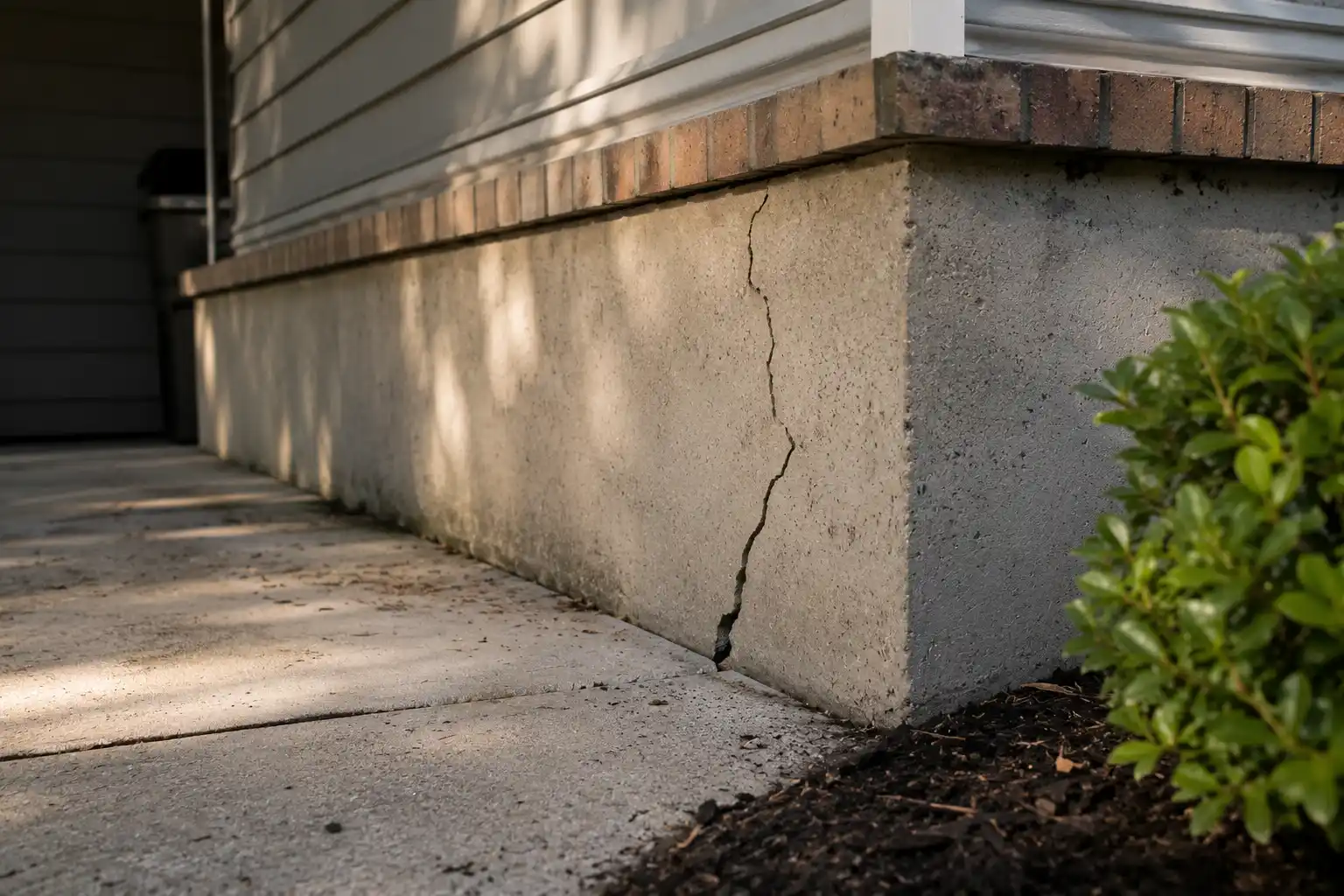
- cracks in walls
- stair-step brick cracks
- doors that won’t close properly
- windows sticking
- porch separation
- visible slab cracks
- gaps around trim
- sagging ceilings
The more symptoms that appear together, the more likely structural movement is occurring beneath the foundation.
Is House Settlement Always Dangerous?
Not always.
Some minor settling is normal in Louisiana homes, especially older structures.
Usually Less Concerning
- small isolated cracks
- minor stable slope
- cosmetic settling over many years
More Serious Structural Concerns
- worsening movement
- large stair-step cracks
- visible sinking
- multiple sticking doors
- foundation separation
- expanding cracks
- floor instability
Rapid or worsening movement should always be professionally evaluated.
How Foundation Professionals Diagnose Settlement
A structural inspection may evaluate:
- foundation movement
- soil conditions
- drainage patterns
- moisture exposure
- crawl-space stability
- pier condition
- floor leveling
- slab cracking
- structural alignment
In Louisiana, inspections often focus heavily on water management and soil movement because environmental conditions are major contributors to settlement.
Can a Sinking House Be Repaired?
In many cases, yes.
Modern foundation repair methods are designed to stabilize and restore structural support beneath homes experiencing settlement.
Common Repair Solutions
Helps restore structural alignment.
Pier Installation
Adds deep support beneath unstable foundations.
Drainage Correction
Improves soil stability around the structure.
Crawl Space Structural Repair
Strengthens weakened support systems.
Soil Stabilization
Helps reduce future movement beneath the home.
The earlier structural problems are identified, the more manageable repairs usually become.
How to Help Prevent Foundation Settlement
Homeowners can reduce settlement risk by:
- improving drainage,
- extending downspouts away from the home,
- monitoring moisture around the foundation,
- addressing plumbing leaks quickly,
- and scheduling inspections when early warning signs appear.
Preventative maintenance is often far less expensive than major structural repair later.
Final Thoughts
Houses in Louisiana sink for many different reasons — but most problems begin underneath the home long before major visible damage appears.
Expanding clay soil, flooding, moisture exposure, drainage issues, and structural deterioration all contribute to foundation settlement throughout the region.
While some minor settling is normal, worsening movement should never be ignored.
Understanding the early warning signs can help homeowners catch structural issues before they become larger and more expensive to repair.
FAQs
Why do houses sink in Louisiana?
Louisiana homes commonly experience settlement because of expanding clay soil, heavy rainfall, flooding, poor drainage, and moisture-related soil movement beneath foundations.
What are signs that a house is sinking?
Common signs include sloping floors, wall cracks, sticking doors, stair-step brick cracks, foundation separation, and uneven structural movement.
Can flooding cause foundation settlement?
Yes. Flooding can weaken soil stability, cause erosion beneath the foundation, and increase long-term settlement risk.
Can a sinking house be repaired?
Yes. Foundation leveling, pier installation, drainage correction, and structural reinforcement are commonly used to stabilize sinking homes.
Is some settling normal in older homes?
Minor settling can be normal in older homes, but worsening movement or multiple structural symptoms should be professionally evaluated.