Your home’s foundation is one of its most critical structural components. It supports everything above it including walls, floors, doors, and even the roof. When foundation issues arise, they can feel overwhelming, but the truth is not all foundation problems are catastrophic or expensive to fix.
Some warning signs are minor and cosmetic, while others may indicate deeper structural concerns that should be evaluated by a professional. Knowing what to look for can help you act early, protect your investment, and avoid costly repairs down the road.
Below are 13 possible signs of a bad foundation, what they may mean, and when it is time to call in an expert.
1. Cracks in Walls or Ceilings
Small hairline cracks are common as homes settle over time, especially in drywall. However, large widening or stair step cracks particularly around doors and windows can signal foundation movement.
When to be concerned:
- Cracks wider than one quarter inch
- Cracks that continue to grow.
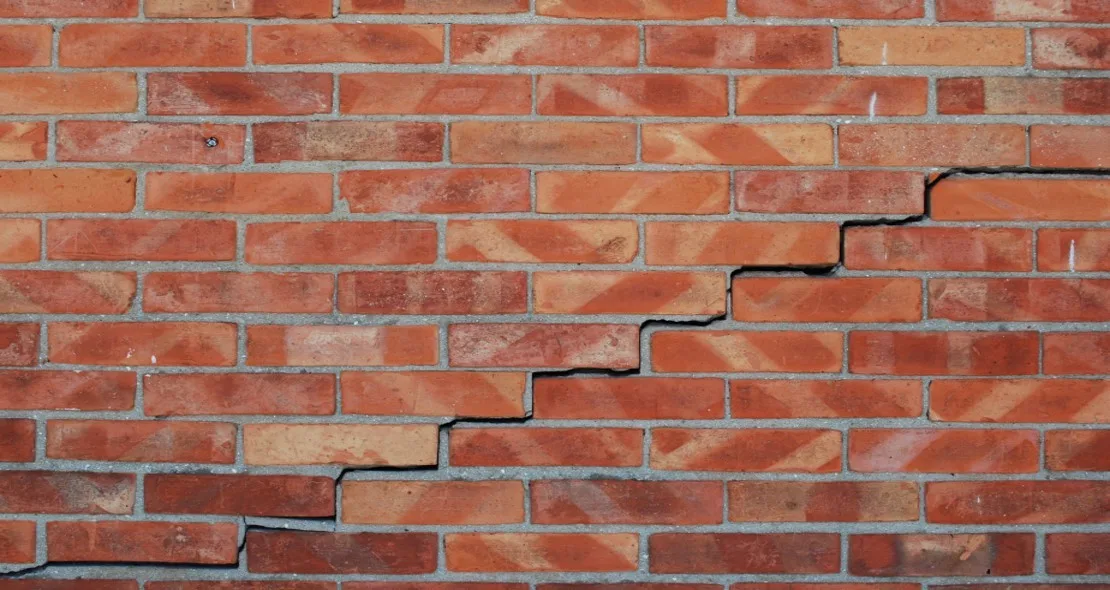
- Cracks forming in a stair step pattern in brick or block walls.
2. Cracks in the Foundation Itself
Visible cracks in the foundation slab or exterior foundation walls deserve attention. While some shrinkage cracks are normal, others can point to structural stress.
Watch for:
- Horizontal cracks
- Cracks that allow water intrusion
- Cracks that run diagonally or widen over time
3. Uneven or Sloping Floors
If your floors feel uneven, slope noticeably, or dip in certain areas, it could indicate foundation settlement or soil movement beneath the home.
A simple test is to place a ball on the floor and see if it rolls on its own.
4. Doors and Windows That Stick
When doors or windows suddenly become difficult to open or close, it is often because the framing has shifted. This is a common early sign of foundation movement.
A simple test is to place a ball on the floor and see if it rolls on its own.
5. Gaps Around Windows or Doors
Gaps between window frames, doors, or exterior walls can form as a foundation shifts. These gaps may allow moisture, pests, or air leaks into the home.
6. Separation Between Walls and Ceiling or Floor
If you notice spaces forming where walls meet the ceiling or floor, this can be a sign that the structure is pulling apart due to foundation movement.
7. Bowing or Leaning Walls
When doors or windows suddenly become difficult to open or close, it is often because the framing has shifted. This is a common early sign of foundation movement.
A simple test is to place a ball on the floor and see if it rolls on its own.
8. Cracked or Buckling Floors
Cracked tile, buckling hardwood, or lifting vinyl flooring can sometimes be traced back to foundation movement beneath the home.
9. Moisture in the Crawl Space or Basement
Excess moisture under your home can weaken the soil supporting the foundation and lead to movement or settling.
Look for:
- Standing water
- Musty odors
- Mold or mildew growth
10. Exterior Brick or Masonry Cracks
Cracks in exterior brick, stone, or stucco especially stair step cracks can indicate foundation shifting rather than simple surface damage.
11. Chimney Pulling Away from the House
A chimney that is leaning or separating from the home is often a sign of foundation settlement, as chimneys are heavy and sensitive to soil movement.
12. Nails Popping Out of Drywall
If nails repeatedly push through drywall, it may be caused by structural movement behind the walls, sometimes linked to foundation issues.
13. Plumbing Problems or Drainage Issues
Foundation movement can put stress on plumbing lines, leading to leaks, slow drains, or recurring plumbing issues that seem to have no clear cause.
What Causes Foundation Problems?
Foundation issues are often influenced by factors beyond your control, including:
Expansive or shifting soil
- Poor drainage or standing water
- Tree roots near the foundation
- Drought followed by heavy rain
- Improper original construction
In areas with changing soil conditions, foundation movement is more common, but not always severe.
When Should You Call a Professional?
Not every crack or sticking door means your foundation is failing. However, you should seek professional guidance if you notice:
Multiple warning signs appearing together
- Cracks that continue to worsen
- Structural changes happening quickly
- Water intrusion near or under the foundation
Early evaluation can often prevent small issues from turning into major repairs.
Trust Experience and Expertise
At The DeVillier Group, we believe homeowners deserve honest answers, not fear-based sales tactics. Our team understands how foundations behave, what is normal, and what truly requires attention. Whether you are noticing early signs or simply want peace of mind, a professional assessment can help you make informed decisions about your home.
Your foundation supports everything. Knowing the signs helps you protect it and your investment for years to come.